Nutritional and Lifestyle Strategies for Maintaining a Healthy Weight in Adults
Scientific guidelines from the WHO on balanced nutrition, portion control, and lifestyle habits to maintain stable body weight.

Body weight is influenced by a complex interplay between dietary intake, physical activity levels, sleep quality, age, and individual physiological factors. Maintaining a healthy weight is not merely about calorie restriction, but rather a comprehensive adjustment of lifestyle habits.
According to the World Health Organization (WHO), a healthy diet must be balanced, moderate, and diverse. Adults should prioritize fresh, minimally processed foods, increasing intake of vegetables, fruits, whole grains, and legumes. Simultaneously, consumption of free sugars, salt, trans fats, and fried foods must be strictly limited.

Each meal should be built upon four core food groups: carbohydrates, proteins, fats, and vitamins/minerals. A practical approach is to divide the plate: 1/2 vegetables and fruits, 1/4 whole grains (such as brown rice), and 1/4 protein (fish, poultry, tofu). Regarding protein, prioritizing fish and legumes over red meat or processed meats helps maintain satiety and muscle mass more effectively.
Fats are essential for the absorption of fat-soluble vitamins (A, D, E, and K). However, as fats provide double the energy of carbohydrates or proteins, consumers should prioritize unsaturated fats from vegetable oils (olive, soy) and nuts, rather than animal fats or butter, which contain harmful saturated and trans fats that impact cardiovascular health.
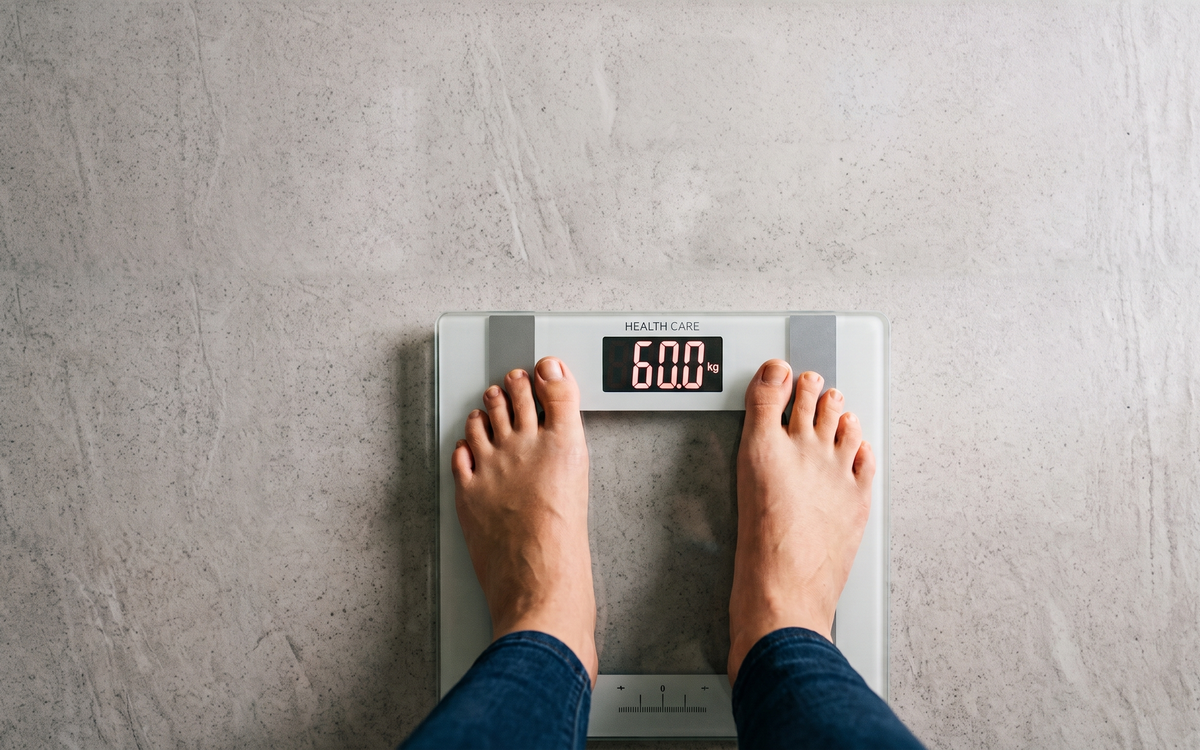
Fiber from vegetables and fruits is the 'key' to controlling hunger. WHO recommends that adults consume at least 400g of fruits and vegetables (equivalent to 5 portions) and 25g of natural fiber daily. When increasing fiber intake, the body requires time to adapt, and adequate water consumption is necessary to optimize digestive processes.
Regarding sugar and salt, intake thresholds must be strictly monitored: free sugars should account for less than 10% (ideally below 5%) of daily energy intake, while salt consumption should not exceed 5g per day. Particular attention should be paid to hidden sources in sugar-sweetened beverages, alcohol, and processed foods, as these provide empty energy that often leads to unintended weight gain.
Beyond nutrition, physical activity is a cornerstone. According to WHO guidelines, adults should aim for 150 - 300 minutes of moderate-intensity physical activity per week, combined with at least two days of muscle-strengthening exercises. Coupled with at least 7 hours of sleep per night and effective stress management, these habits help stabilize the body. Note that for individuals who are overweight or have underlying health conditions, consulting a doctor or nutritionist is mandatory before implementing significant changes to the diet.