Scientific and Safe Iron Supplementation Guidelines for Pregnant Women
Learn how to supplement iron appropriately and combine a healthy diet to effectively prevent pregnancy anemia, ensuring the well-being of both mother and baby.

Anemia during pregnancy remains a concerning public health issue in Vietnam. According to data from the 2019-2020 National Nutrition Survey, the average prevalence of anemia among pregnant women is 25.6%, reaching up to 39% in mountainous regions. This implies that one in every four pregnant women faces anemia, which directly impacts maternal health and fetal development.
Proper iron supplementation, combined with a balanced diet and regular prenatal check-ups, is essential for maintaining health throughout pregnancy. Experts explain that the maternal body needs to produce extra blood and provide iron to the fetus. Failure to meet these requirements, often due to low pre-pregnancy iron reserves, poor dietary habits, or closely spaced pregnancies, can lead to anemia.
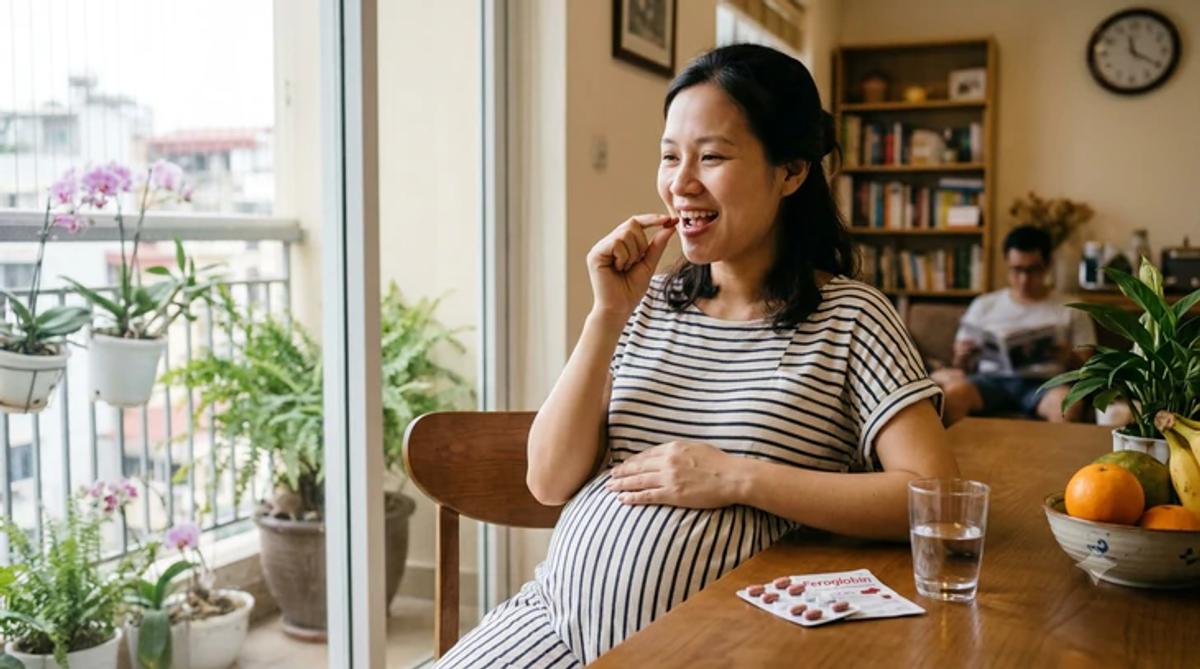
During pregnancy, the mother's body needs to produce more blood and provide iron for the growing fetus. Illustrative image (AI)
Increased iron demands during pregnancy are often difficult to satisfy through food alone. Therefore, iron supplementation combined with folic acid, in the form of pills or multivitamins, should follow medical guidelines. It is crucial to distinguish between preventive doses and therapeutic doses. Current recommendations typically suggest 30-60 mg of elemental iron plus 400 µg of folic acid daily. Pregnant women should carefully read product labels to identify the 'elemental iron' content rather than just looking at the total salt weight.
If tests confirm anemia, a doctor will prescribe a specific therapeutic dose, potentially up to 120 mg of elemental iron per day, until hemoglobin levels reach at least 110 g/L. Self-adjusting doses or mixing multiple supplements can lead to side effects such as nausea, constipation, or digestive distress.
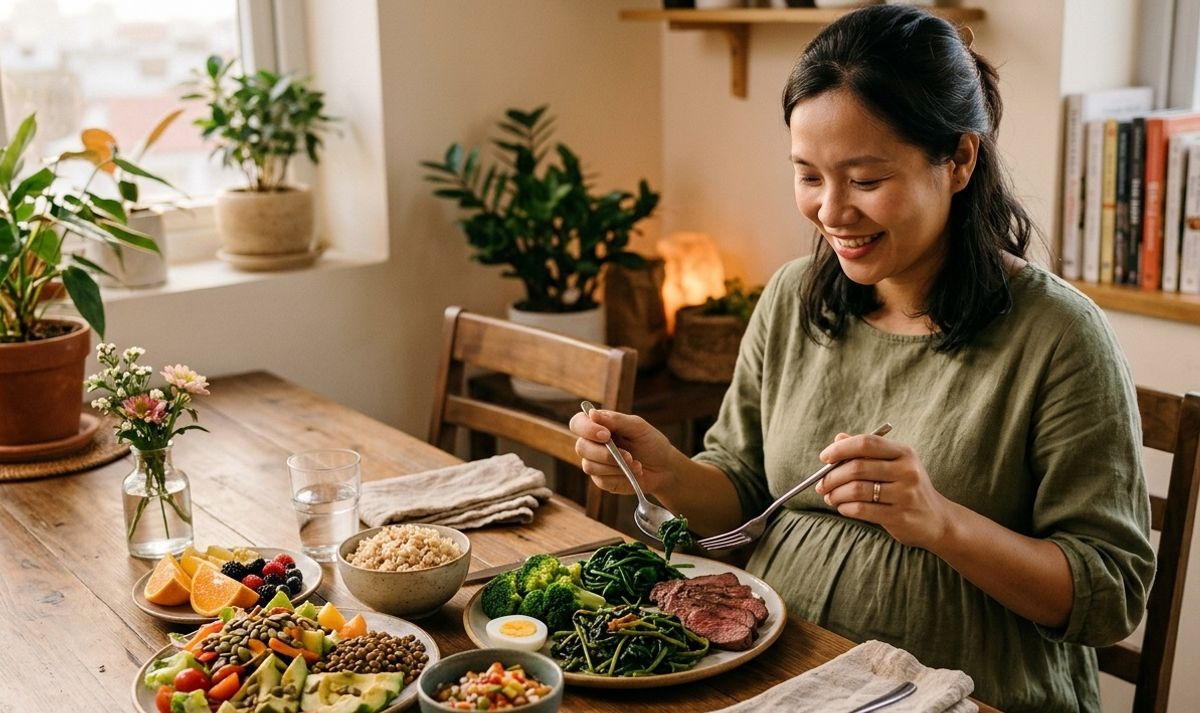
Pregnant women should consume a diverse diet and regularly choose iron-rich foods. Illustrative image (AI)
In addition to supplements, dietary intake is vital. Prioritize red meats, fish, eggs, and legumes. Incorporate vitamin C-rich foods like guavas, oranges, and grapefruits to enhance iron absorption. Avoid consuming tea or coffee during or immediately after meals, as these can hinder the body's iron uptake.
The advice for expectant mothers is to always consult with a doctor regarding individual health conditions, including chronic illnesses or signs of supplement intolerance. Remember that a diverse diet remains the foundation for providing energy and other micronutrients that iron pills cannot fully replace.