Detailed Guide to Safe Food Storage Durations in the Refrigerator
Mastering the storage duration of food in the refrigerator helps retain nutrients and ensures food safety for your family.
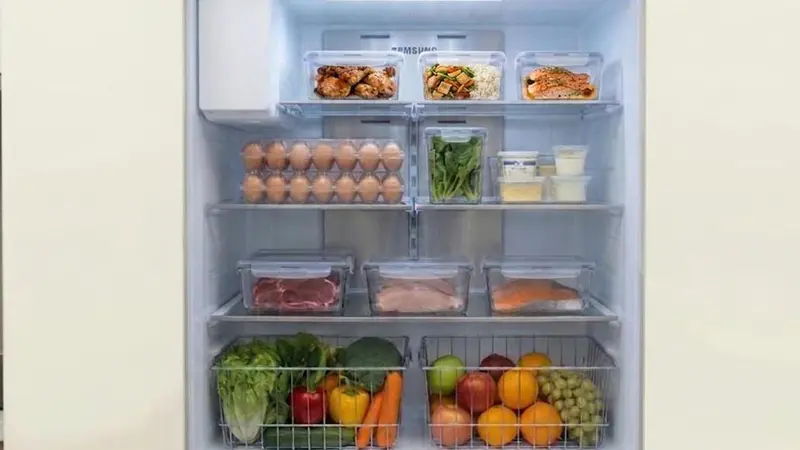
The refrigerator is an indispensable 'assistant' in every household, helping to keep food fresh and saving time. However, many people have a habit of viewing the fridge as an 'infinite storage warehouse.' In reality, low temperatures only slow down bacterial growth rather than eliminating them entirely. Understanding safe storage durations is a key factor in protecting your health.
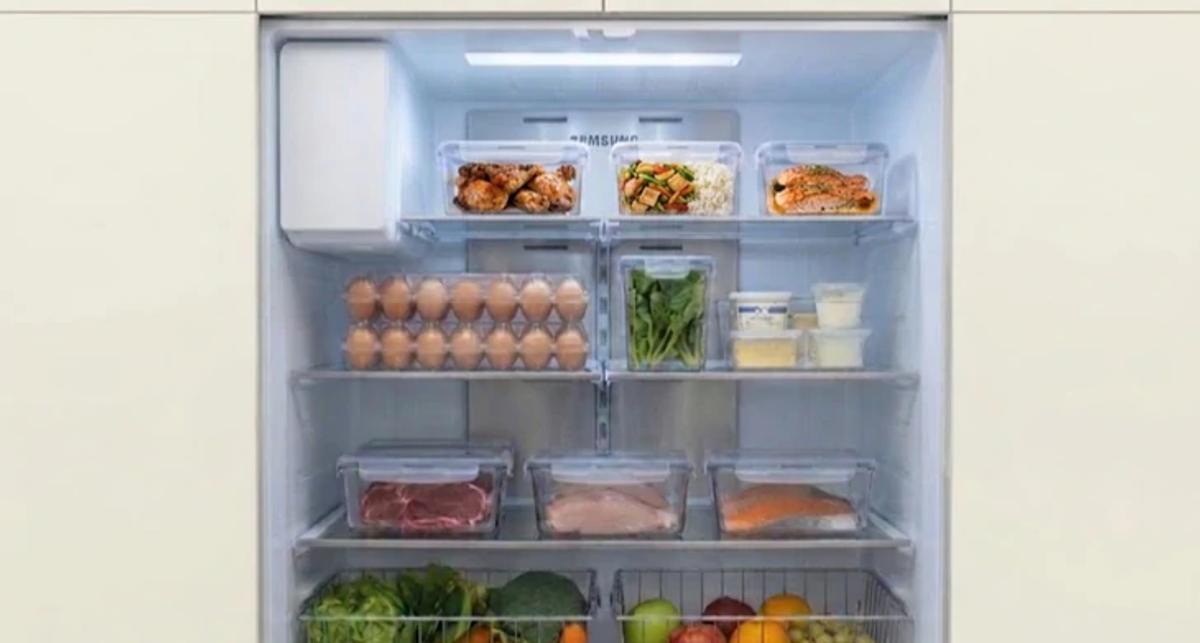
### 1. Fresh Meat and Fish Storage
Raw foods have high water and protein content, making them ideal environments for bacterial proliferation if not frozen correctly.
- **Fish and Poultry:** Store in the refrigerator for 1 - 2 days. The freezer can preserve fish for 2 - 6 months and chicken for 6 - 9 months.
- **Red Meat (Pork, Beef, Lamb):** Best kept refrigerated for up to 3 days. Freezing can extend shelf life from 4 months to 1 year depending on the cut.
- **Ground Meat:** Due to the large surface area exposed to air, it should be refrigerated for only 1 - 2 days or frozen for a maximum of 3 months.
### 2. Eggs and Dairy Products
Milk and eggs require a stable temperature maintained below 4°C.
- **Fresh Eggs:** In their shells, they can be stored in the refrigerator for about 1 month. Place them in a separate tray, avoiding the refrigerator door where temperatures fluctuate.
- **Opened Milk:** Should be consumed within 3 days.
- **Cheese:** Hard cheese can be kept for 3 weeks, while soft cheese should ideally be used within 1 week after opening.

### 3. Fresh Vegetables and Fruits
Vegetables and fruits require appropriate humidity and should not be stored for too long to minimize vitamin loss.
- **Leafy Greens:** Stay fresh for 3 - 5 days. Wrap them in absorbent paper before placing them in a plastic bag to prevent moisture accumulation and spoilage.
- **Hard Vegetables (Carrots, Radishes):** Can be stored for over 1 week.
- **Fruits:** Apples, oranges, and tangerines can last for 2 - 3 weeks. Berries like strawberries should only be kept for 2 - 3 days and should not be washed before refrigeration.
### 4. Cooked Food
Leftovers are prone to cross-contamination if not stored properly. They should be kept in the refrigerator for a maximum of 3 days.
- **Note:** Place food in airtight containers once it has cooled completely (within 2 hours). When reheating, ensure the temperature reaches at least 75°C.

### Scientific Storage Tips
- **'First-In, First-Out' Principle:** Place newly purchased items at the back to prioritize consuming older stock first.
- **Compartmentalization:** Do not mix raw and cooked foods to prevent cross-contamination.
- **Standard Temperature:** Maintain the refrigerator compartment at 1°C - 4°C and the freezer at -18°C. Regularly check the power supply to ensure optimal cooling performance.