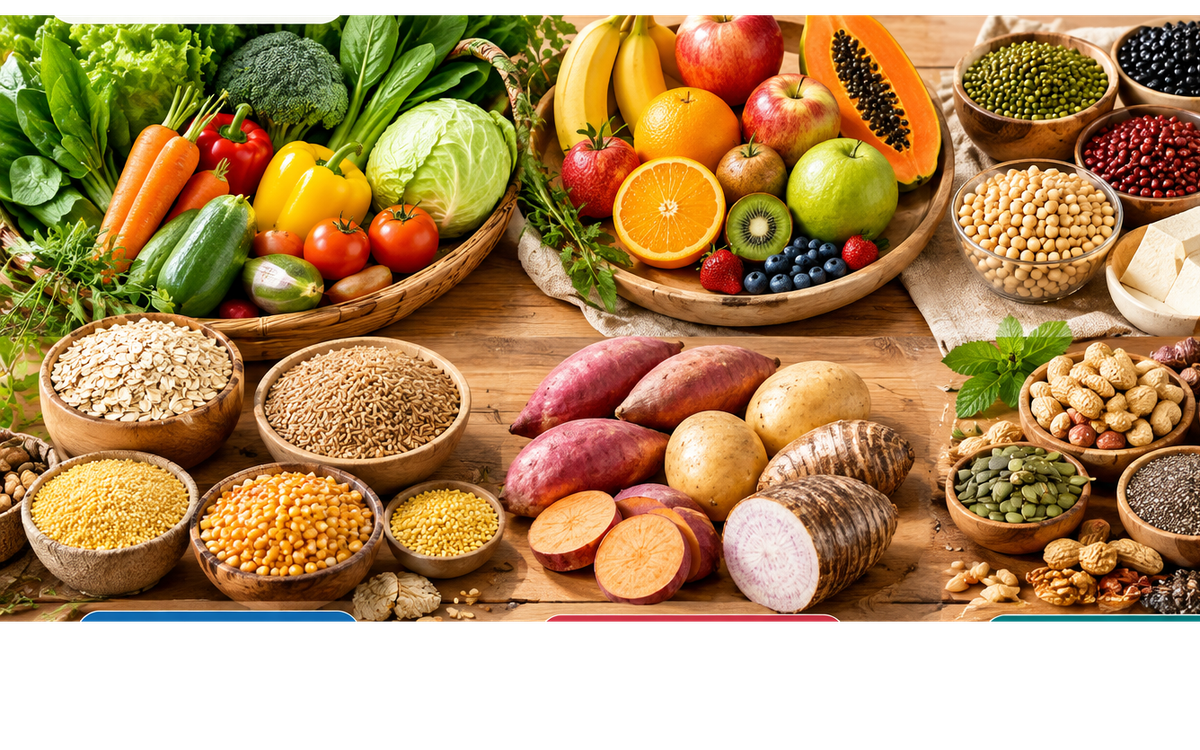
Mastering Food Labels: A Guide to Smarter and Healthier Choices
Equip yourself with the skills to correctly read nutrition labels to manage sugar, salt, and fat intake, effectively safeguarding your family's health.
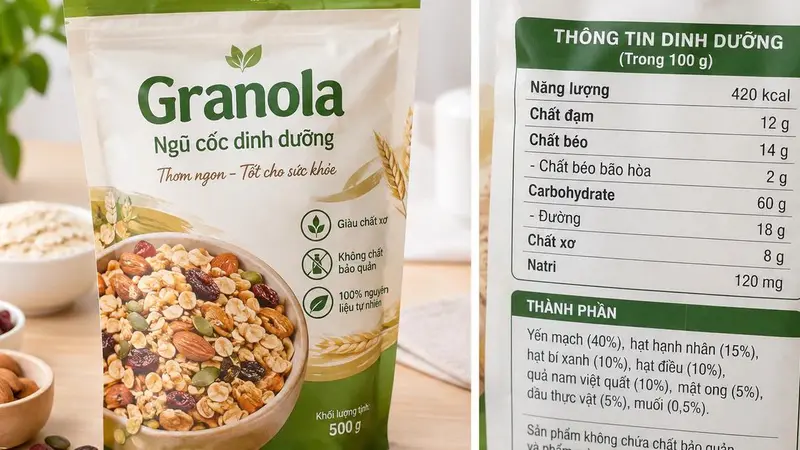
Packaged foods have become an indispensable part of modern meals, ranging from dairy and cereals to snacks. To support consumers, Vietnam will officially implement nutrition labeling regulations under Circular 29/2023/TT-BYT of the Ministry of Health, effective January 1, 2026. Understanding parameters like energy, protein, carbohydrates, fat, and sodium is the key to turning every item on the shelf into a health-conscious choice.
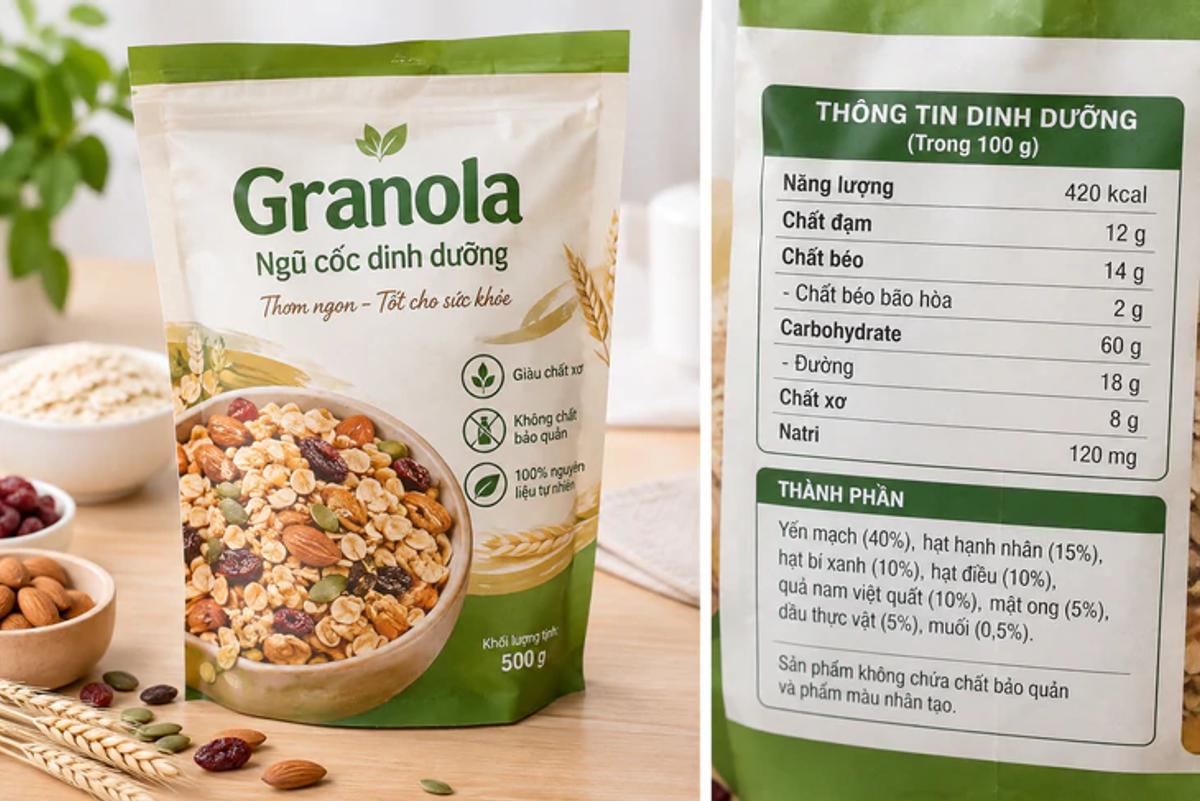
Many consumers are often drawn to marketing messages on the front of packages like 'natural' or 'vitamin-enriched'. However, this is not the full story. A cereal product might be 'fortified with vitamins' while still containing high levels of sugar. Therefore, instead of relying solely on advertising, make it a habit to check the nutrition facts panel and ingredient list on the back or side of the package.
A common mistake is overlooking serving sizes. If a 500ml beverage displays nutrition values per 250ml, the actual sugar and sodium intake is double what is stated. Regarding sugar, prioritize products with lower total sugar. For sodium, the WHO recommends a daily intake of less than 2,000mg. Comparing two similar product labels per 100g is the fastest way to identify the optimal choice.
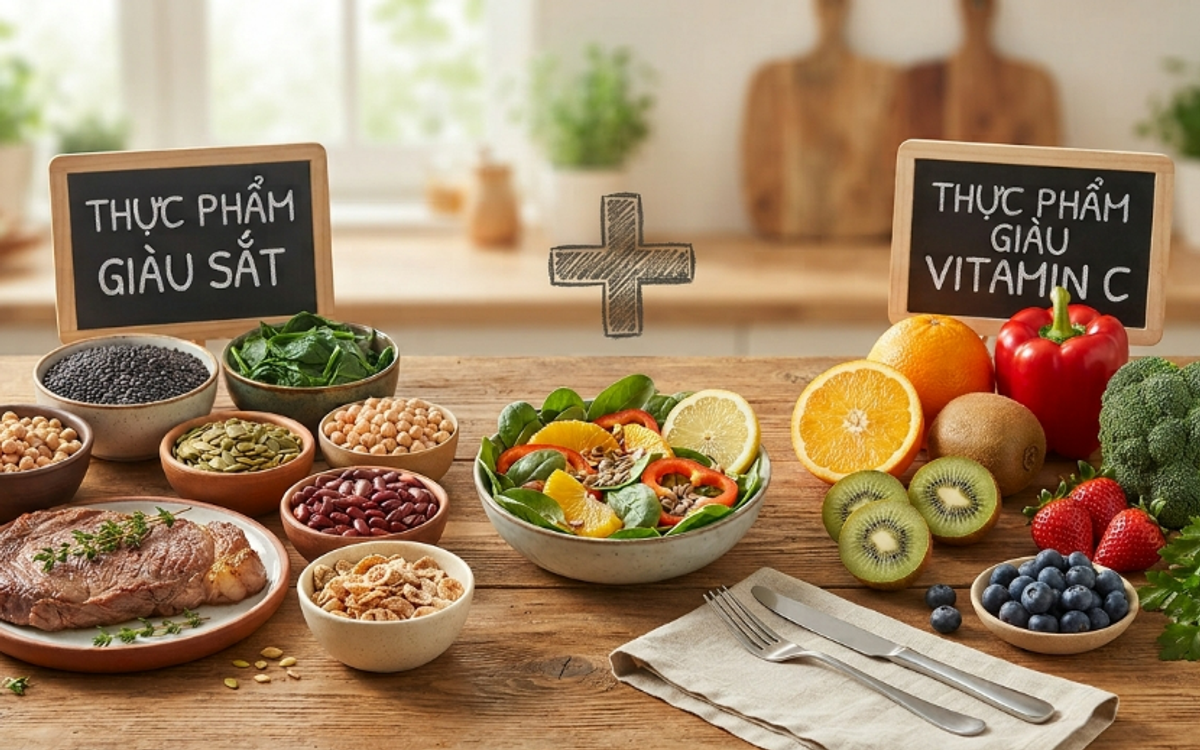
Not all fats are created equal; focus on limiting saturated fats. For cereal-based products, prioritize whole grains rich in fiber rather than refined starches. Don't be overly concerned about complex-sounding additives, as not all additive names indicate harm. The most important factor remains the overall quality of the product rather than subjective 'low-fat' stickers.
Finally, distinguish between 'packaged food' and 'ultra-processed food'. Canned vegetables, beans, or pasteurized milk are not necessarily harmful. The most effective way to read labels is to compare products within the same category based on 100g or 100ml. By spending just 30 extra seconds observing before purchasing, you take a more proactive role in protecting the health of your entire family.