Guide to Monitoring Weight and Height for Early Detection of Malnutrition Risk in Children
Proactively monitoring growth charts at home helps parents identify signs of malnutrition early, allowing for timely nutritional adjustments and medical interventions.
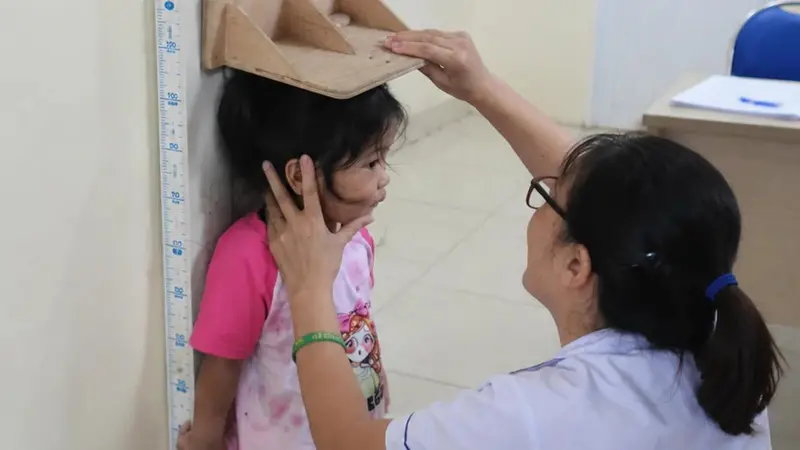
Monitoring a child's weight and physical development is an essential part of effective parenting. Even if a child eats daily, the nutrient intake does not always meet their developmental requirements. Many cases of malnutrition do not manifest clearly at first but are identified through slow weight gain, limited height growth, or downward trends in growth metrics.
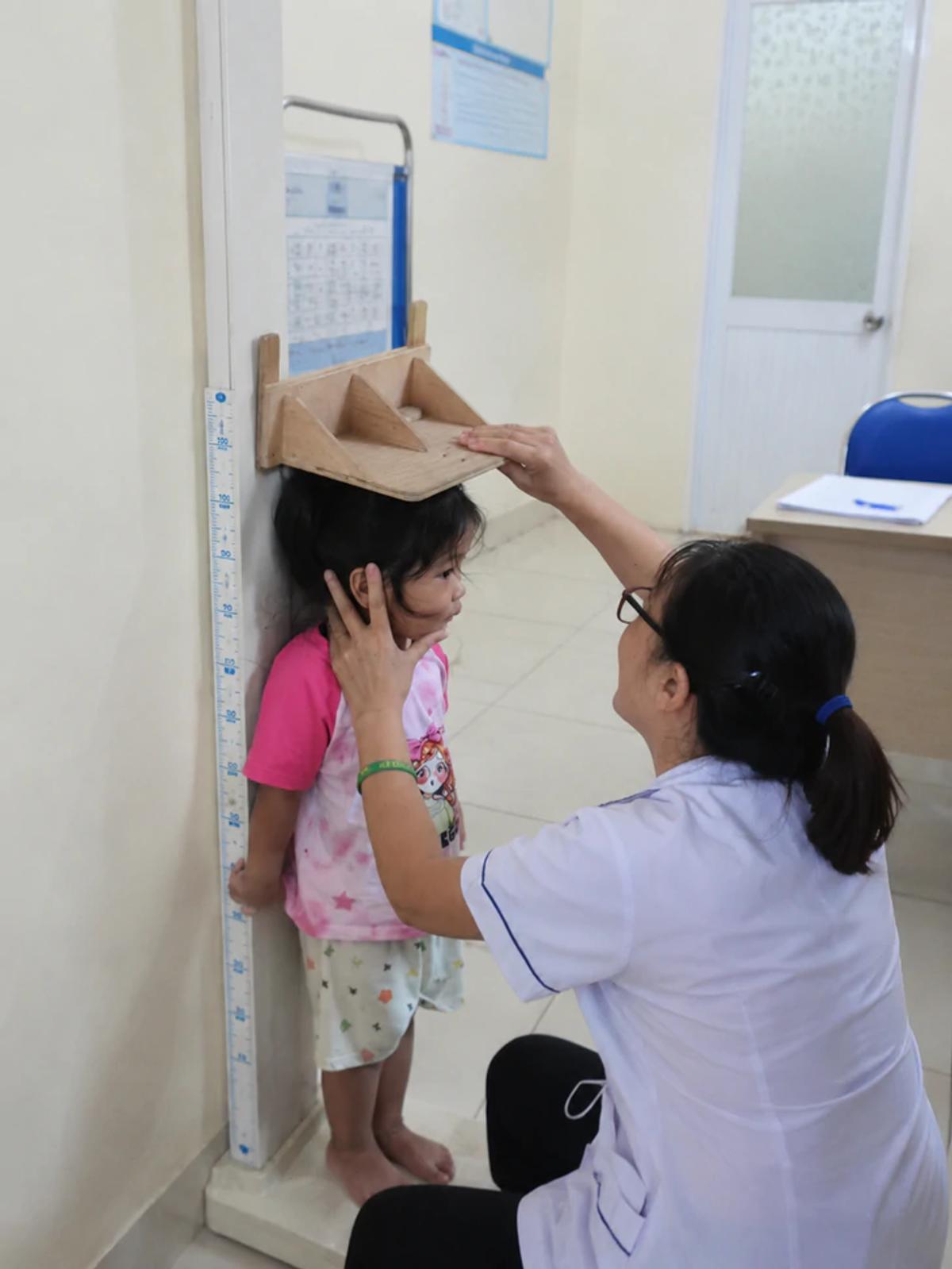
To ensure accuracy, parents should follow the growth standards set by the World Health Organization (WHO) for children from birth to 5 years old. At home, parents should prepare precise weighing scales and suitable measuring tools. The core principle is consistency: use the same scale, place it on a stable surface, and record data in a logbook regularly.
Once the measurements are collected, compare them with standard growth charts specific to the child's gender to track changes over time. It is important not to conclude a child is malnourished based on a single measurement. The most vital aspect is to observe whether the child consistently follows the growth curve. If you are unsure how to interpret the charts, consult a healthcare professional during routine check-ups.
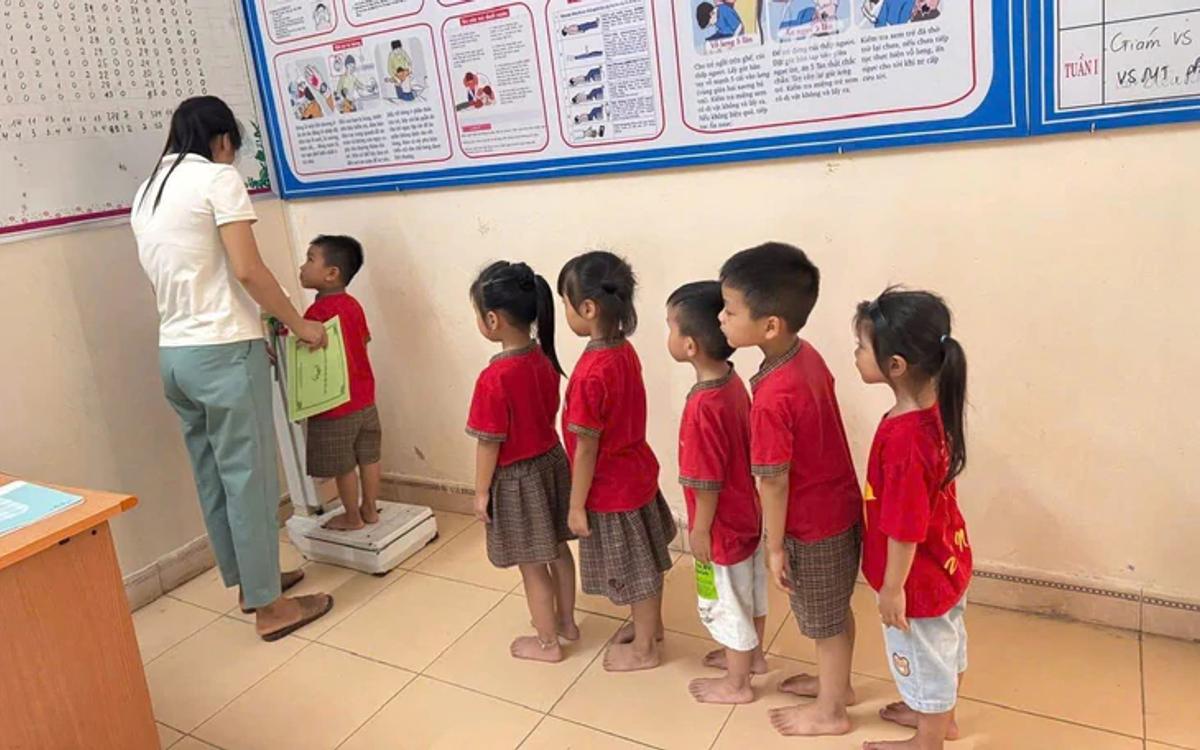
Warning signs of potential malnutrition include slow or stalled weight gain, a downward trajectory on growth charts, or height growth that fails to meet expectations. Additionally, changes in physical condition such as prolonged loss of appetite, vomiting, diarrhea, or frequent illness are signals that require attention. If these signs appear, parents should seek a medical evaluation to assess the child's nutritional status and overall health, avoiding the use of unauthorized appetite stimulants or weight-gain supplements.