Guiding Children in Reading Nutrition Labels for Smarter Food Choices
Cultivating nutrition label reading skills helps children identify ingredients, avoid additives, and form healthy eating habits early on.
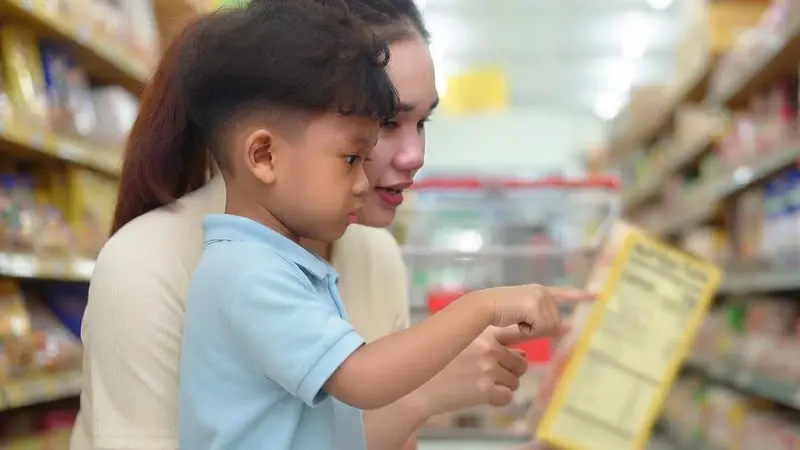
Reading nutrition labels is an essential skill that helps children recognize ingredients and energy content in food. By understanding how to interpret package indices, children can comprehend what their bodies are consuming, thereby raising awareness and proactively avoiding unsafe snacks.
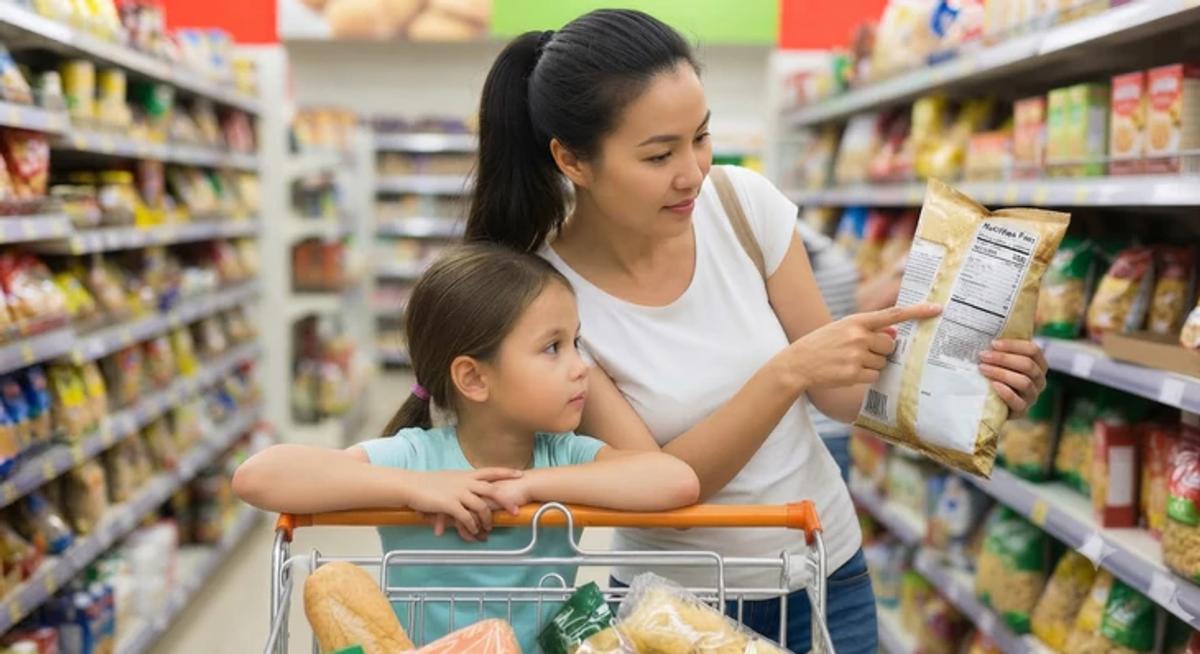
Guiding children to become familiar with nutrition information tables is a crucial first step. Parents should explain that ingredients are typically listed in descending order of weight, meaning the components at the beginning of the list are the most abundant. By mastering this rule, children can easily identify products that are excessively high in sugar, sodium, or saturated fats.
In addition to main ingredients, children should understand the significance of key indicators such as calories, sugars, sodium, and saturated fats. For instance, prioritizing products with less than 5g of sugar, 1.5g of salt, or 1.5g of saturated fat per 100g is essential for cardiovascular health and mitigating obesity risks.
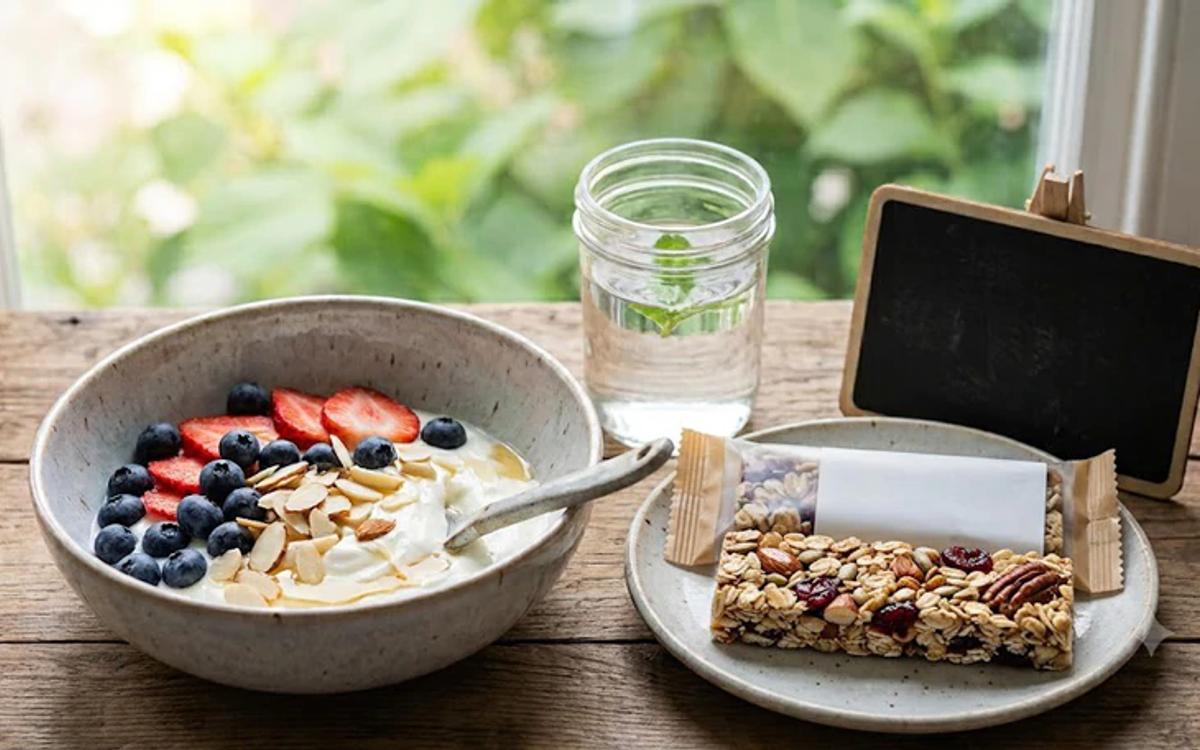
Many attractive packaged products often contain food additives, artificial colors, and preservatives. Parents should teach children how to read ingredient lists to identify these additives and explain their potential negative impacts on digestion, the liver, and the kidneys. Furthermore, checking expiration dates and origins is a basic legal requirement children must learn to protect themselves from substandard products.
Education should be linked to real-world experience, such as turning every supermarket trip into an engaging lesson. Steps include: Checking standard serving sizes; comparing sugar and sodium levels between products; prioritizing natural ingredients like whole grains or fruit; and always verifying expiration dates before choosing items.
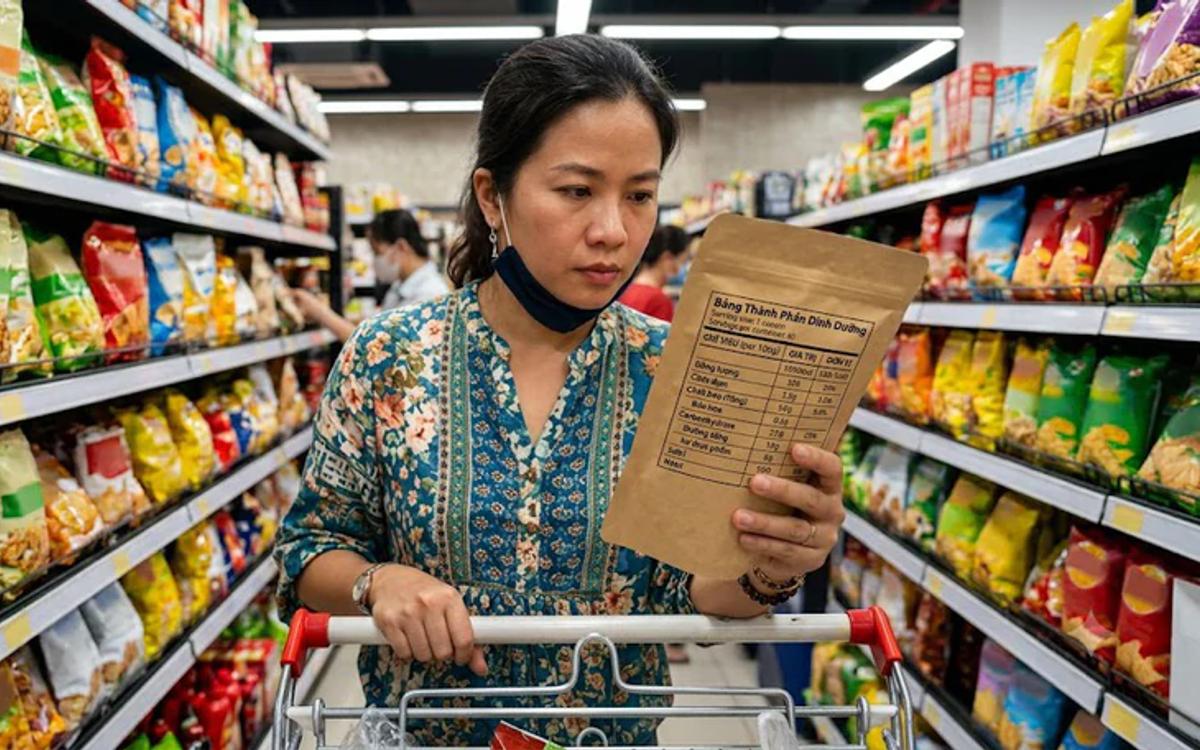
To build lasting habits, parents must lead by example during every shopping trip. Rather than rigid prohibitions, discussions based on actual data printed on packaging help children consciously make healthier food choices. Organizing food classification games at home is also an effective educational method, helping children maintain a healthy lifestyle into adulthood.