Recommended Daily Carbohydrate Intake for Optimal Health
A detailed guide on daily carbohydrate intake based on the National Institute of Nutrition to help you maintain energy and sustainable health.

Familiar staples such as rice, bread, noodles, pho, and tubers serve as essential energy sources for the body. However, daily carbohydrate intake should be calculated based on individual energy needs, activity levels, age, and health status.

According to the 2025 Healthy Nutrition Pyramid for adults issued by the National Institute of Nutrition, the group of grains, tubers, and processed products should be maintained at 14 - 17 serving units per day. It is important to note that this is a total conversion for the entire food group, not just the number of rice bowls. One serving unit is equivalent to half a bowl of rice (approx. 55g), half a small sweet potato (85g), or half a medium potato (80g).
Portion management includes not only rice but also noodles, pho, bread, and corn. Adults should adjust their intake flexibly based on physical activity. For the elderly, the recommendation decreases to 8 - 10 serving units per day. For individuals with diabetes or kidney-related conditions, dietary planning requires direct consultation with doctors or nutritionists to ensure effective control of carbohydrate intake and glycemic index.

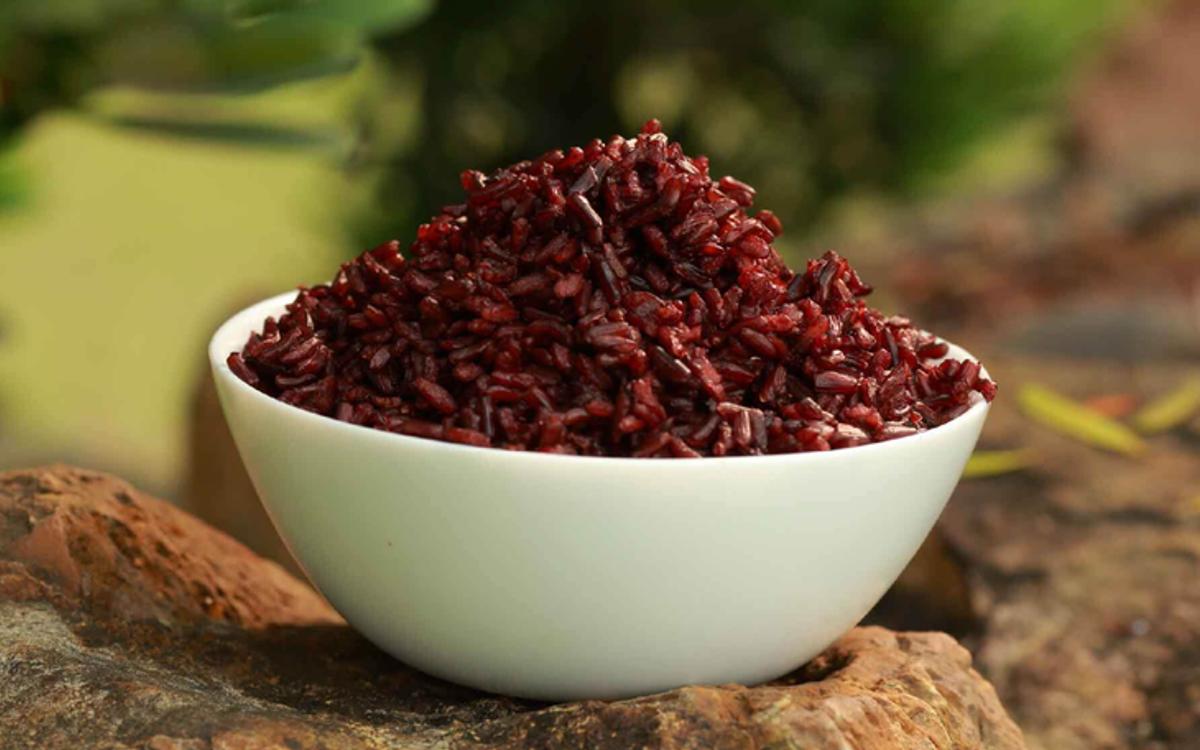
Beyond quantity, the quality of carbohydrates is paramount. According to 2023 guidelines from the World Health Organization (WHO), carbohydrates should primarily come from whole grains, vegetables, fruits, and legumes. Replacing white rice with whole grains provides more fiber, supporting digestion and nutritional balance. Combining starches with green vegetables and proteins from fish, lean meat, or eggs is a key strategy for maintaining long-term health.