Abusing Dietary Supplements: Hidden Risks to Liver Health
Uncontrolled abuse of dietary supplements can overload the liver, leading to cellular damage and serious health issues. Learn how to use them safely.

The liver plays a vital role in metabolizing substances introduced into the body, including pharmaceuticals and dietary supplement components. When multiple products are used simultaneously, especially with overlapping ingredients or doses exceeding recommendations, the risk of negative interactions and liver damage increases significantly. The severity of this risk depends on the product composition, dosage, duration of use, and the specific physiological state of each individual.

Abusing dietary supplements places an overwhelming burden on the liver, as all ingredients must pass through the body's natural metabolic system for filtration. When the liver is constantly overloaded, the accumulation of toxic substances triggers local inflammatory responses, weakening the detoxification function and damaging liver cell structures. Furthermore, special attention must be paid to fat-soluble vitamins (such as vitamin A), which do not excrete via urine but accumulate directly in the liver and adipose tissue, easily leading to toxicity if doses are incorrect.
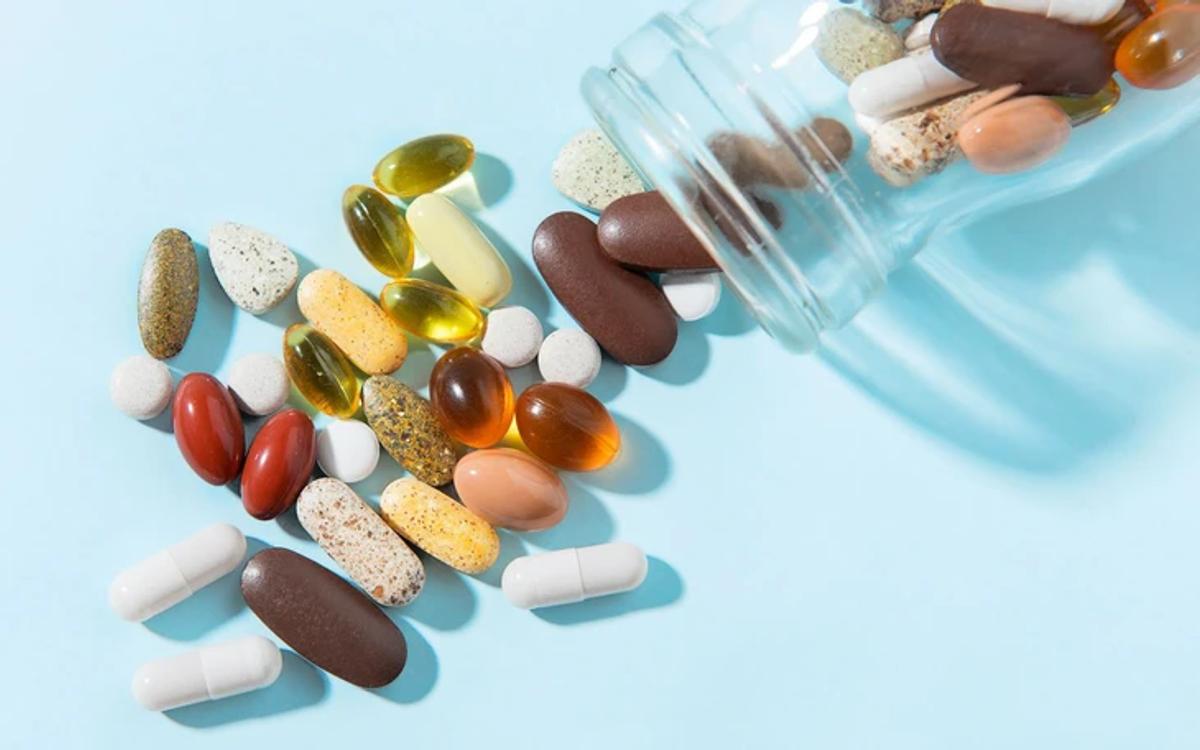
Many people mistakenly assume that herbal products are entirely benign. However, they contain concentrated biological compounds capable of straining the liver's enzyme system. When herbal supplements are combined with prescription medications, this interaction can alter drug concentrations in the blood, exacerbating toxicity towards liver cells. Additionally, the market currently harbors many poor-quality products with inaccurate labeling or undisclosed impurities, placing users at high risk.

To protect their health, consumers should carefully read ingredient lists and label warnings, strictly avoiding products with overlapping ingredients. Individuals currently undergoing treatment for chronic conditions or those with a history of liver disease must consult a medical professional before introducing any active compounds into their daily nutrition regimen.