The Global Expansion of Chinese Culinary Brands: Scaling Through Standardization
Explore the global expansion strategy of Chinese restaurant chains, focusing on supply chain standardization and the ability to adapt to diverse international markets.

A new generation of Chinese culinary brands is accelerating its international expansion, aiming to go far beyond the traditional overseas Chinese communities. According to the China Chain Store and Franchise Association, by the end of 2025, the top 50 Chinese restaurant and beverage brands operated over 6,800 outlets abroad, marking a significant milestone in the global expansion of the country's F&B sector.
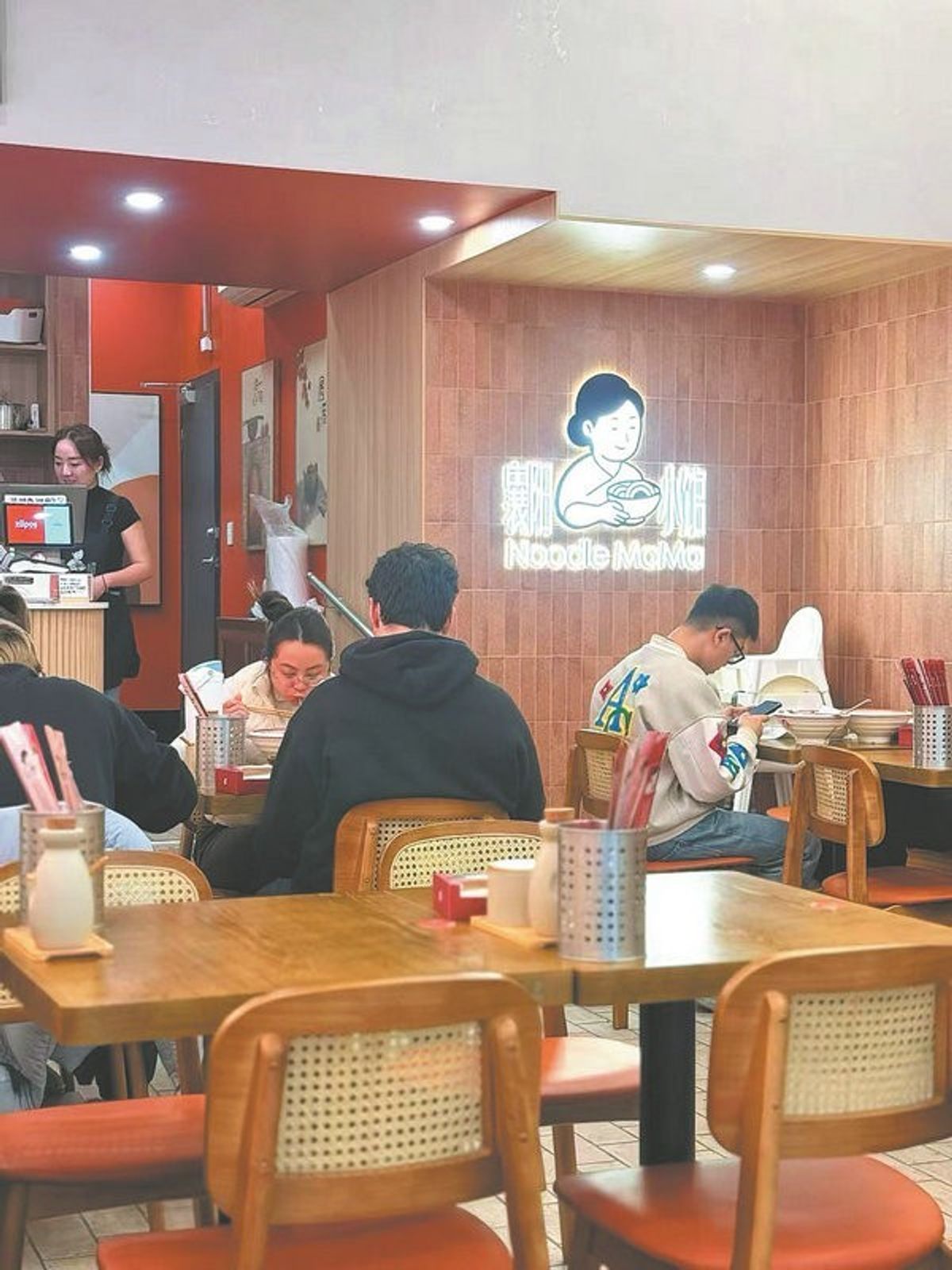
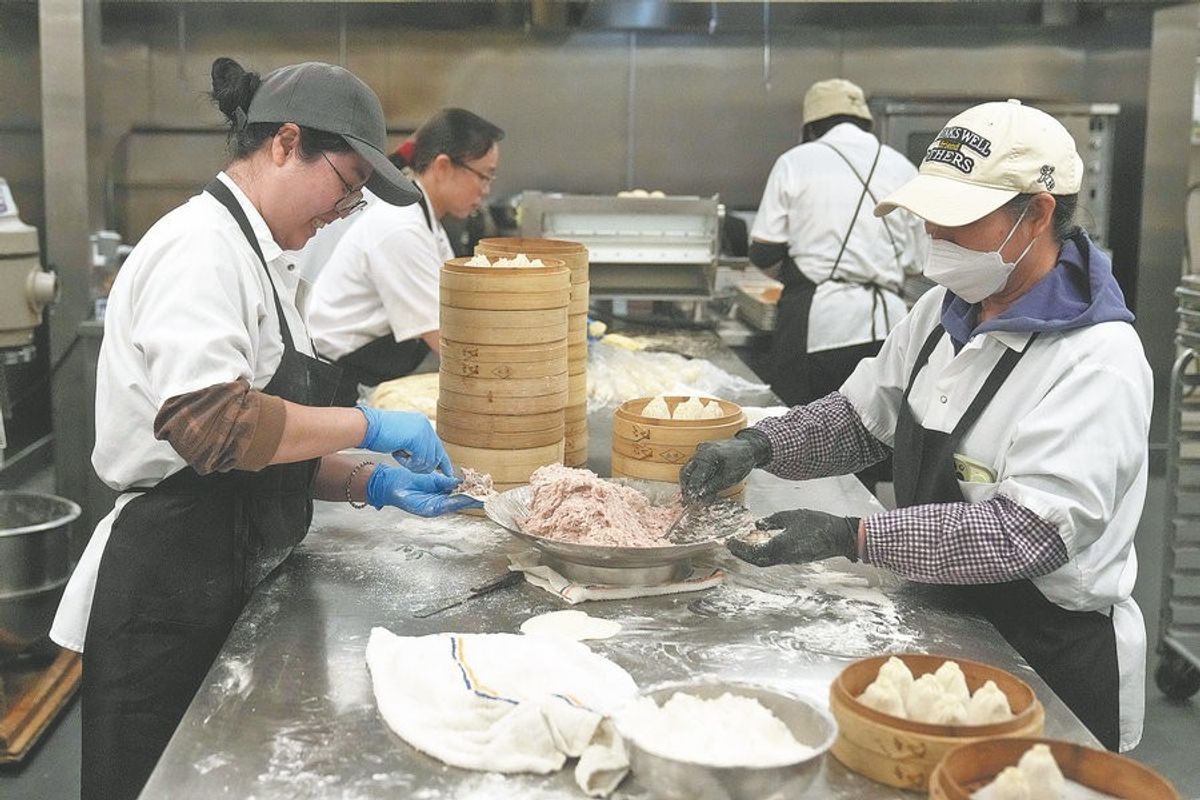
The fundamental shift lies in the business model. Moving away from reliance on the Chinese diaspora, many companies are building scalable supply chains that allow them to attract local diners across more than 180 countries. For instance, in Melbourne, Australia, the Noodle MaMa restaurant has successfully attracted local customers by serving authentic Xiangyang beef noodles, focusing on traditional handmade techniques rather than food additives.
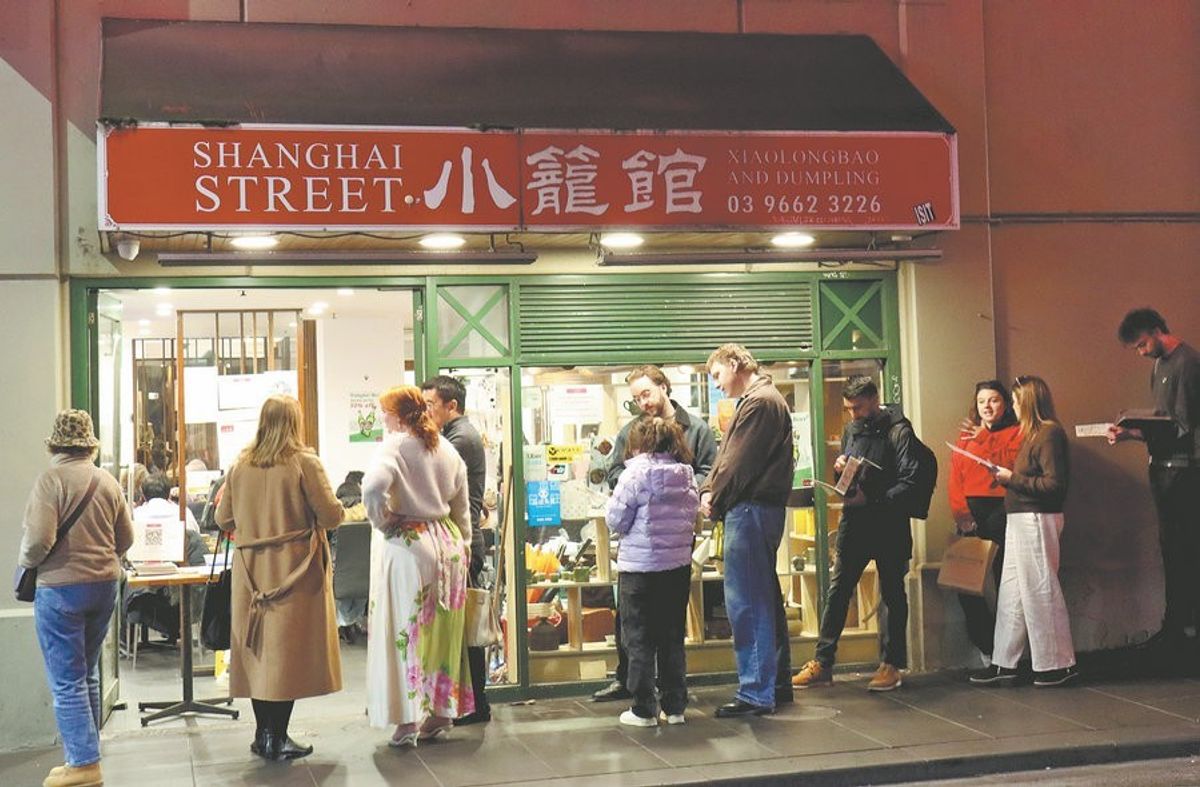

Expanding into North America presents substantial challenges regarding food safety standards and equipment requirements. Tang Junhao, owner of the Yinji brand in Canada, emphasizes the importance of implementing rigorous quality control processes to replicate the authentic taste of Guangzhou-style rice rolls. Unlike previous trends, these brands are now establishing themselves in mainstream shopping malls rather than just within Chinatown districts.
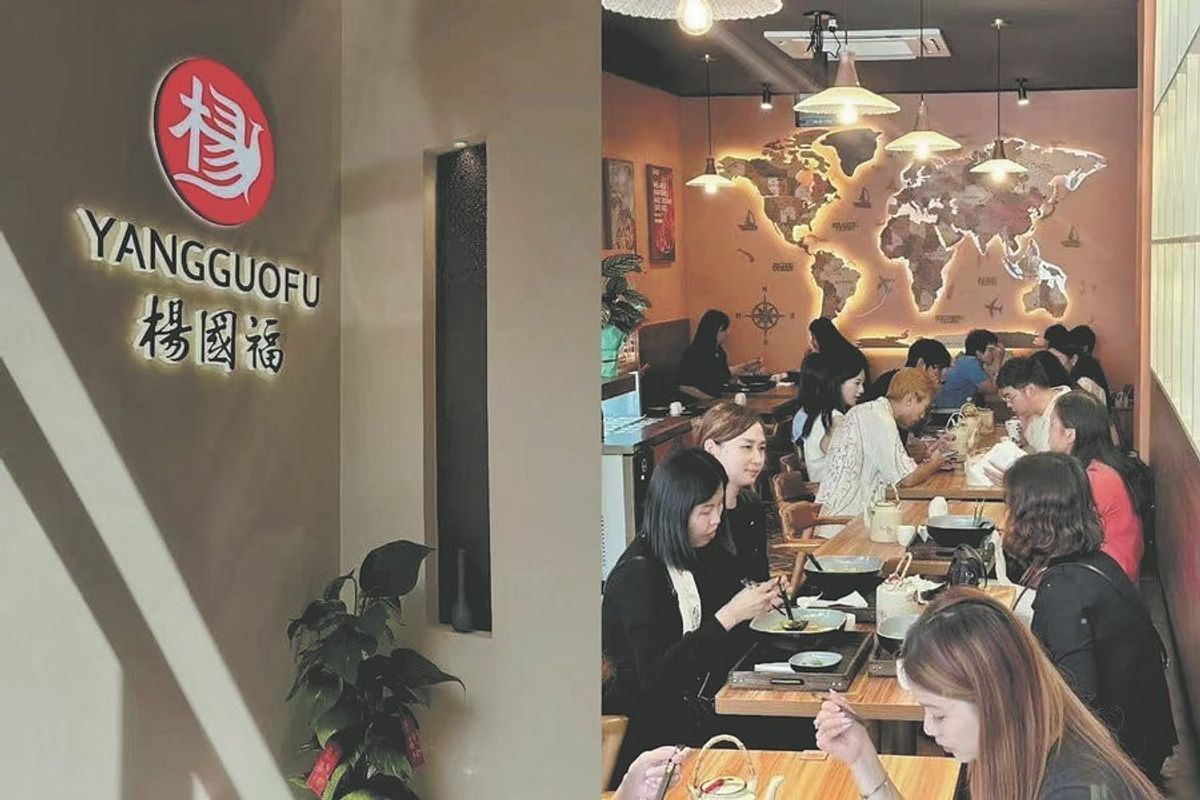
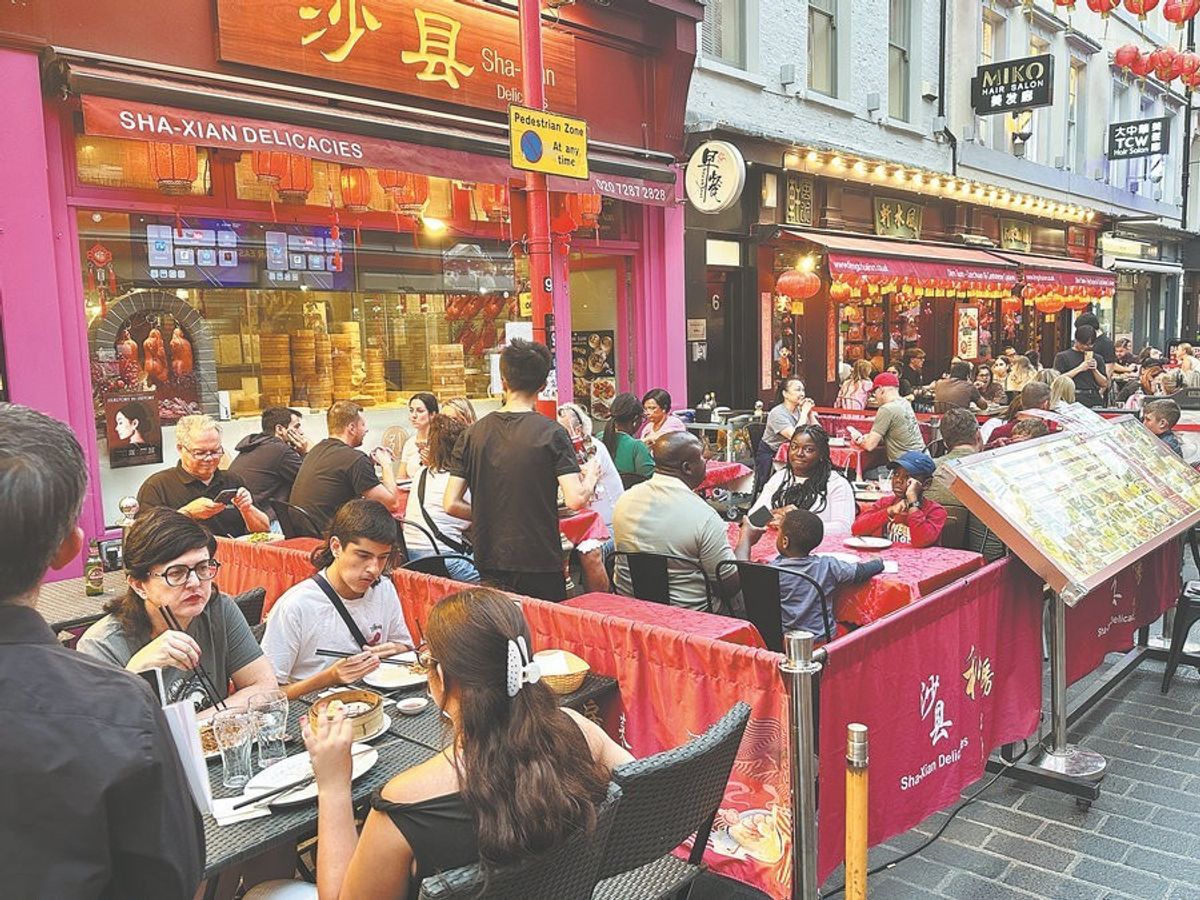
Amidst intensifying competition, large chains like Yangguofu Malatang are leading the way with standardized operational models. With nearly 7,000 stores globally, the company highlights the power of optimized cooking processes. In Europe and Southeast Asia, they have cleverly adjusted their menus—offering lighter broth options in Japan or incorporating Tom Yum flavors—to strike a balance between preserving brand identity and catering to local tastes.
According to industry expert Amy Duan from Chihuo, the success of Chinese cuisine abroad now depends on localized market research. Copying business models from China without accounting for labor laws or local consumer culture is a common pitfall. According to the iiMedia Research Institute, the global Chinese food market is projected to reach $577.7 billion by 2030, presenting massive growth potential for brands with well-structured strategies.