The Food Industry Transforms Through Artificial Intelligence and Robotics
The application of AI and robotics in the food industry is becoming an essential trend to optimize production, shorten product development cycles, and enhance global competitiveness.
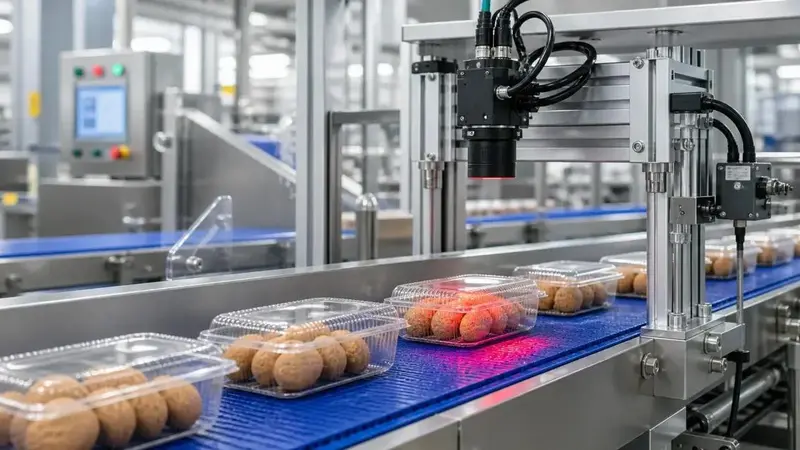
At the recent seminar 'Applying AI and Practical Data in Food Product Research and Development', experts affirmed that digital technology has become an essential tool for enterprises to optimize operations. Transitioning to a smart factory model not only reduces costs but also ensures quality, creating a 'passport' that allows products to easily access international markets.
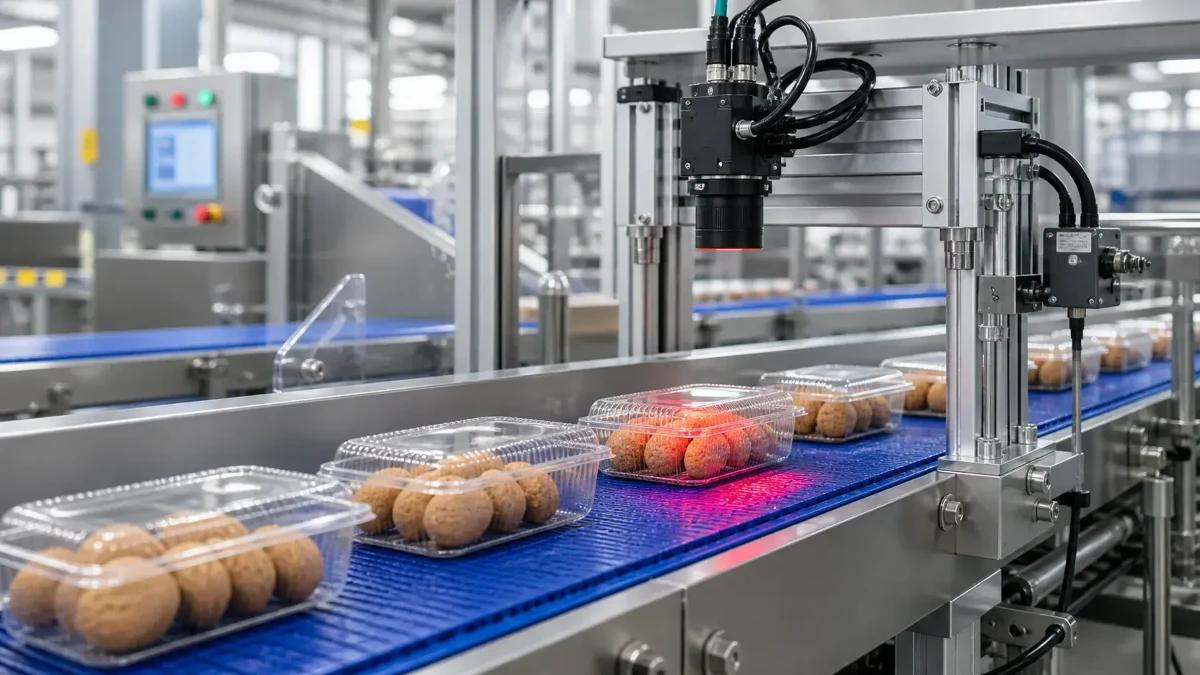
According to data from Analyticsinsight.net, the global AI market in the food and beverage sector is projected to grow from 22.6 billion USD in 2026 to 84.7 billion USD by 2030, with a compound annual growth rate (CAGR) of approximately 39%. This is a critical driver for businesses to solve the challenges of risky new product development.
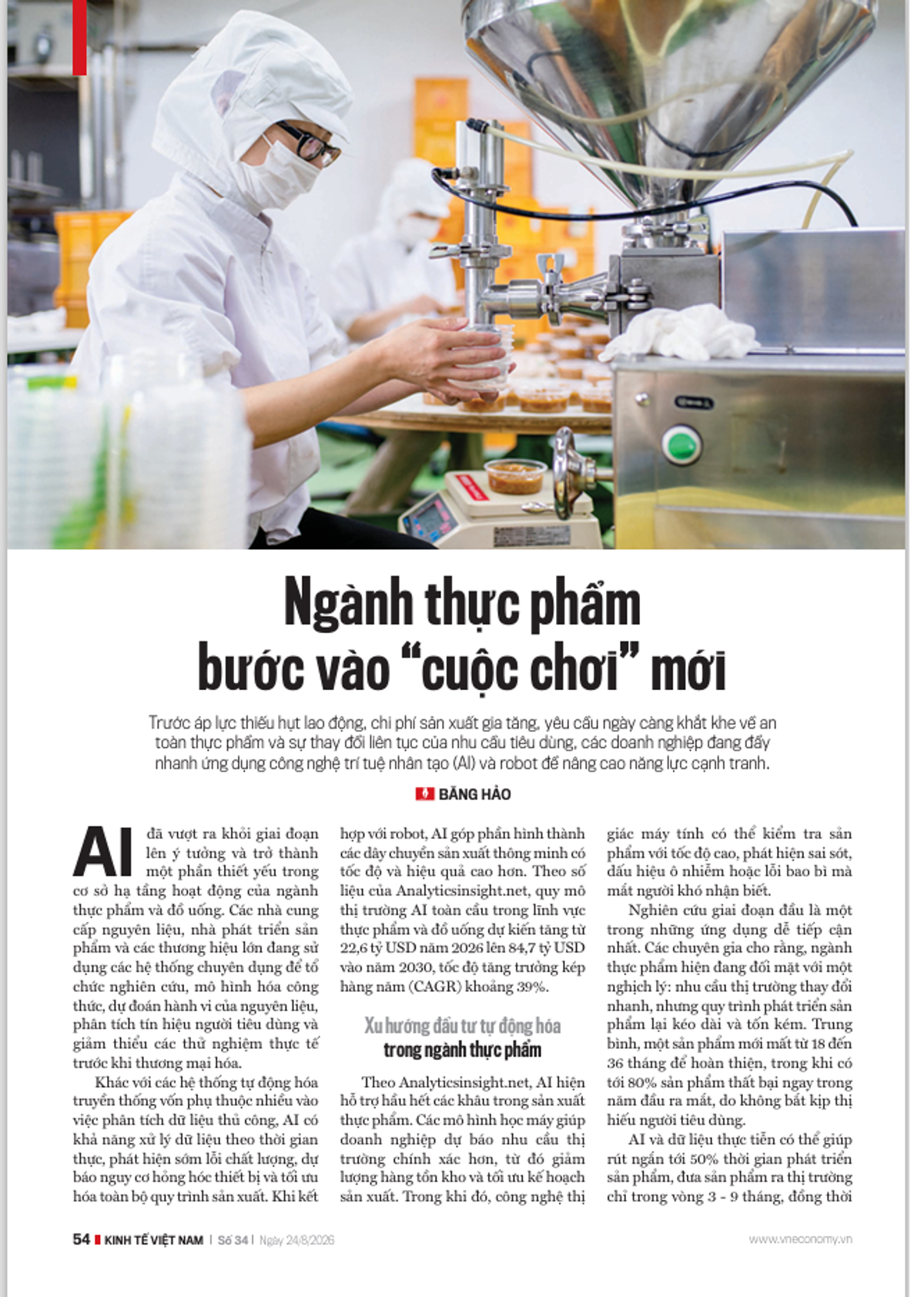
In reality, a new food product typically takes 18 to 36 months to finalize, with an 80% failure rate in the first year. Applying AI and practical data can shorten development time by up to 50%, bringing goods to market in just 3-9 months while reducing sensory evaluation costs by 40%. Machine learning models help businesses predict market demand more accurately, optimizing production planning and reducing inventory levels.

Alongside AI, robotics is becoming an 'extended arm' in factories. The global food robotics market is forecast to grow at a CAGR of approximately 20.9% during 2026-2034. At Chef Robotics, AI-integrated food preparation robots have assisted in preparing over 100 million ready-to-eat meals across North America and Europe.
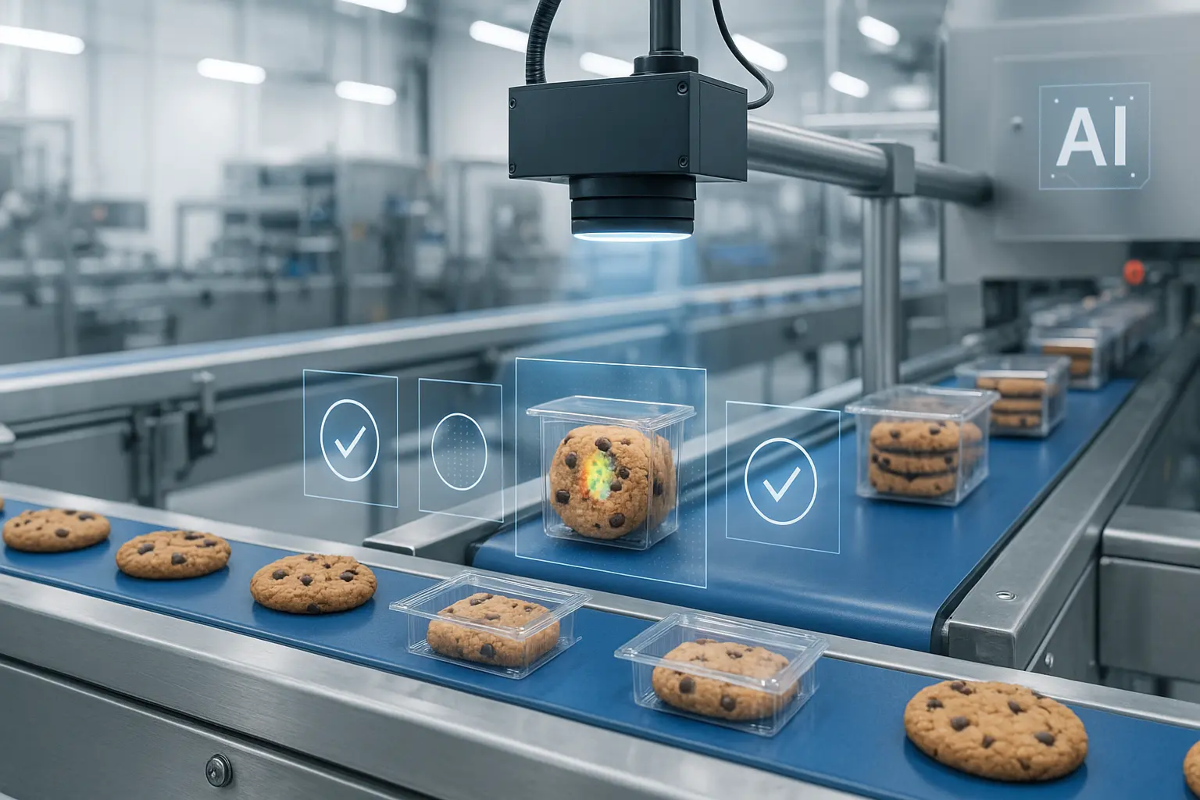
In quality control, computer vision technology plays a pivotal role. Mr. Phi Anh Tuan, Head of Digital Transformation Consulting at DXCenter, stated that this technology can detect visual defects with over 95% accuracy, helping to reduce defect rates by 30-70% and saving 40-60% on quality inspection labor costs.
At the National Productivity and Quality Forum 2026, Vietnam set a target for Total Factor Productivity (TFP) contribution to growth to exceed 55%. Deputy Prime Minister Ho Quoc Dung emphasized that AI and digital transformation must be integrated directly into production lines, building a foundation for Vietnamese enterprises to enhance their technology absorption capacity and optimize resources.