The Golden Rules for Safe Refrigerator Food Storage and Nutrient Preservation
A detailed guide on how to prepare, classify, and store food in the refrigerator to ensure food safety, prevent cross-contamination, and preserve nutritional value.

The refrigerator is an essential household appliance that extends the shelf life of food. However, improper storage can lead to spoilage, cross-contamination, and nutrient loss. Scientific preparation and classification before storage not only help maintain freshness but also safeguard the family's health.

Before placing food in the refrigerator, it is critical to clean it and designate separate storage zones. Never mix raw and cooked food to prevent cross-contamination of bacteria. Furthermore, avoid overloading the refrigerator, as this blocks cold air circulation and prevents the maintenance of an optimal, uniform temperature.
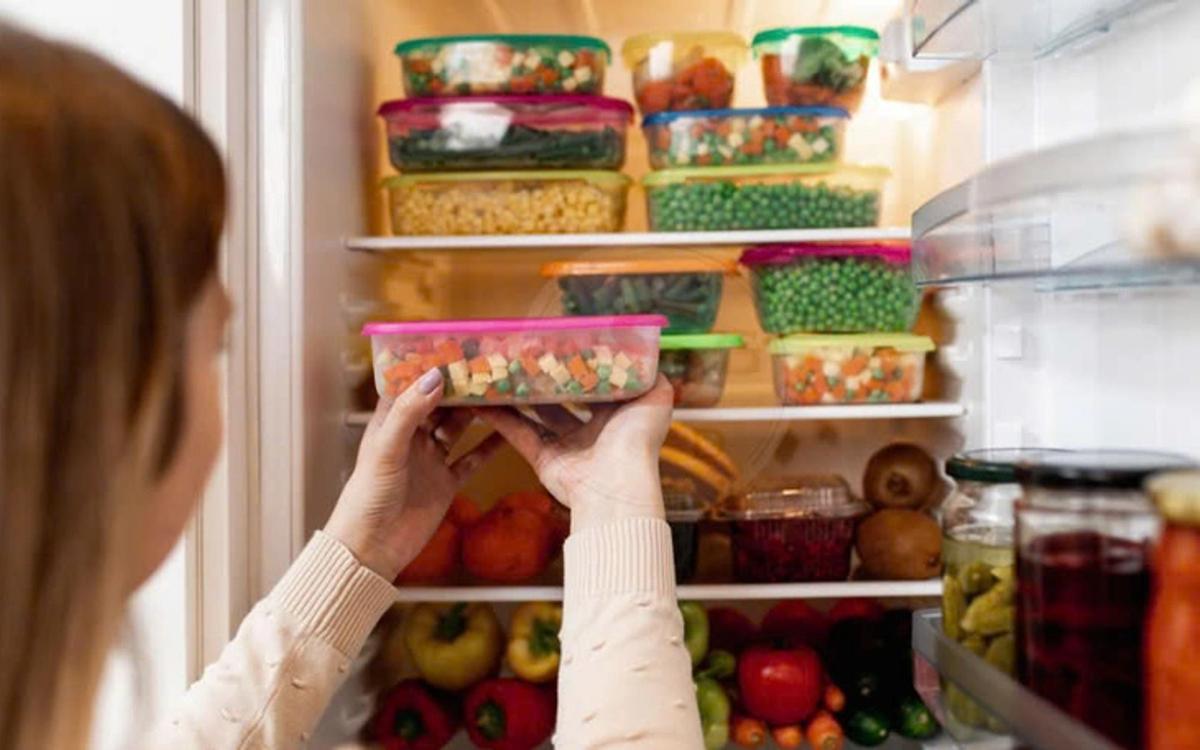
For fresh produce, avoid washing before storage if you do not plan to use it immediately, as excess moisture encourages mold growth. Remove withered leaves, trim stems, pat dry, and store in mesh bags or specialized containers. Vegetables such as potatoes, onions, or tomatoes can be stored in a dry, well-ventilated area rather than the refrigerator.
For meat, fish, and seafood, wash and drain them, then portion them into individual servings before freezing to avoid repeated thawing. Wrap tightly with food film or use airtight containers to prevent bacterial invasion and cross-contamination from raw meat juices.
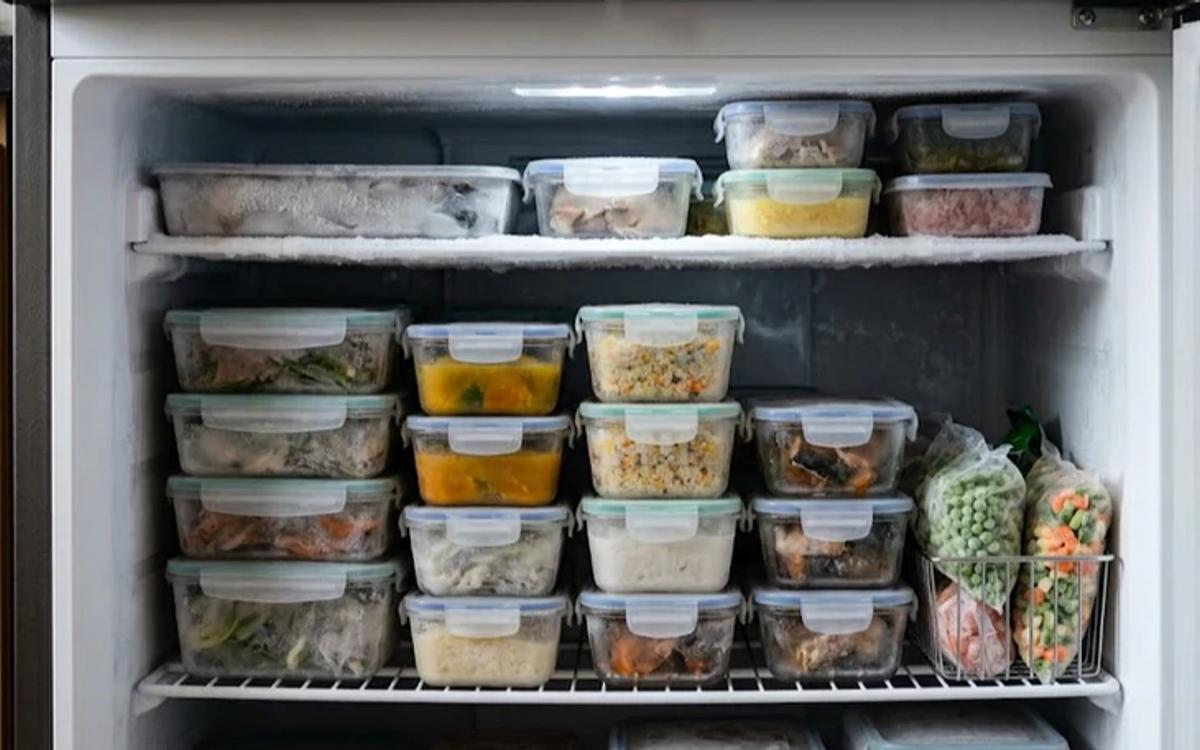
Cooked leftovers should be cooled completely before refrigeration, ideally sitting at room temperature for no more than two hours. Use glass or food-safe plastic containers with lids and label them with the storage date to monitor freshness. Milk, eggs, and dairy products should be stored deep within the main compartments, avoiding the refrigerator door to minimize temperature fluctuations caused by frequent opening.