Distinguishing Good Fats from Bad Fats: Keys to Cardiovascular Health
Discover the differences between various fats, from saturated to unsaturated, along with nutritional tips to protect cardiovascular health and manage cholesterol levels.
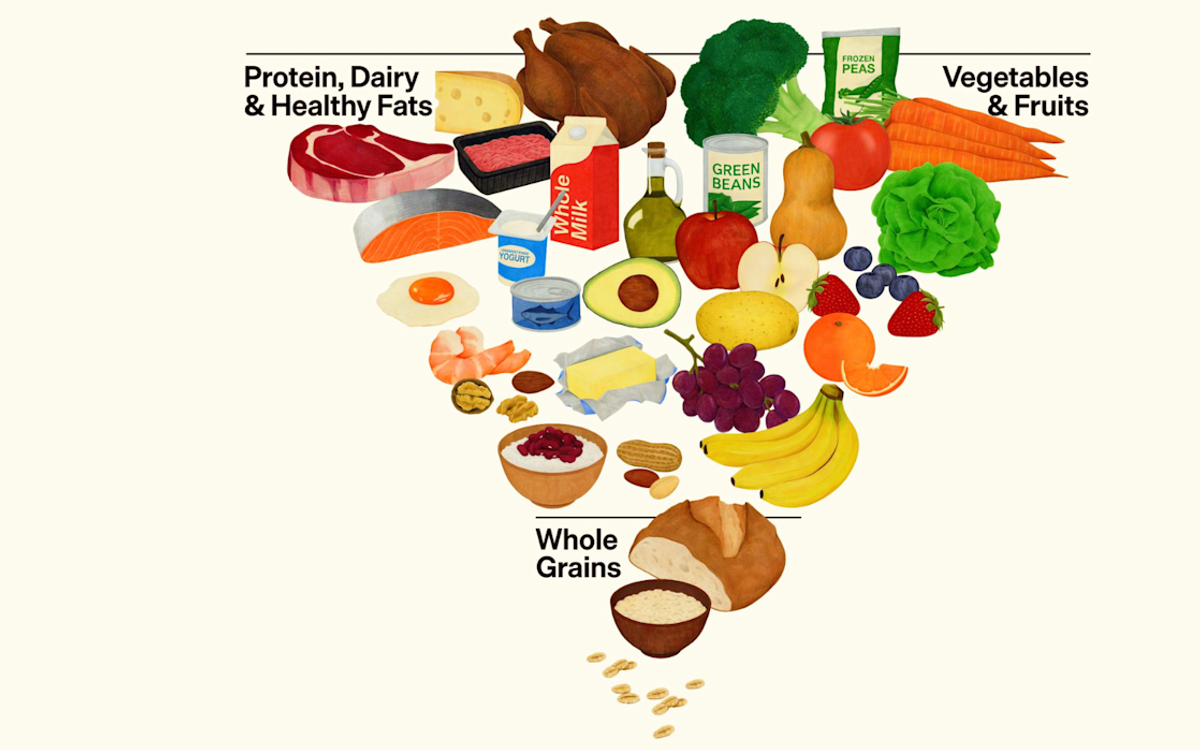
Many people often mistakenly believe that fat is entirely harmful, but in reality, the human body needs fat to maintain normal physiological functions. The key to a healthy diet lies in balance, prioritizing unsaturated fats found in fatty fish, avocados, vegetable oils, and nuts. Replacing saturated and trans fats with unsaturated fats helps reduce LDL (bad) cholesterol, thereby minimizing the risk of cardiovascular disease and stroke.
### Saturated Fat

Saturated fat typically exists in a solid state at room temperature and is common in animal-based foods like beef, pork, chicken, butter, and whole-milk dairy products, as well as some tropical vegetable oils like coconut and palm oil. The Dietary Guidelines for Americans recommend keeping saturated fat intake below 10% of total daily calories. The American Heart Association offers even stricter guidance, recommending less than 6% to protect circulatory health.
### Trans Fat
Trans fats can occur naturally or be created during industrial processes through the hydrogenation of vegetable oils. This type of fat is particularly harmful as it simultaneously raises LDL cholesterol and lowers HDL (good) cholesterol. Consumers should limit industrial baked goods like donuts and cookies, and always check ingredient labels to avoid products containing hydrogenated oils.
### Monounsaturated and Polyunsaturated Fats
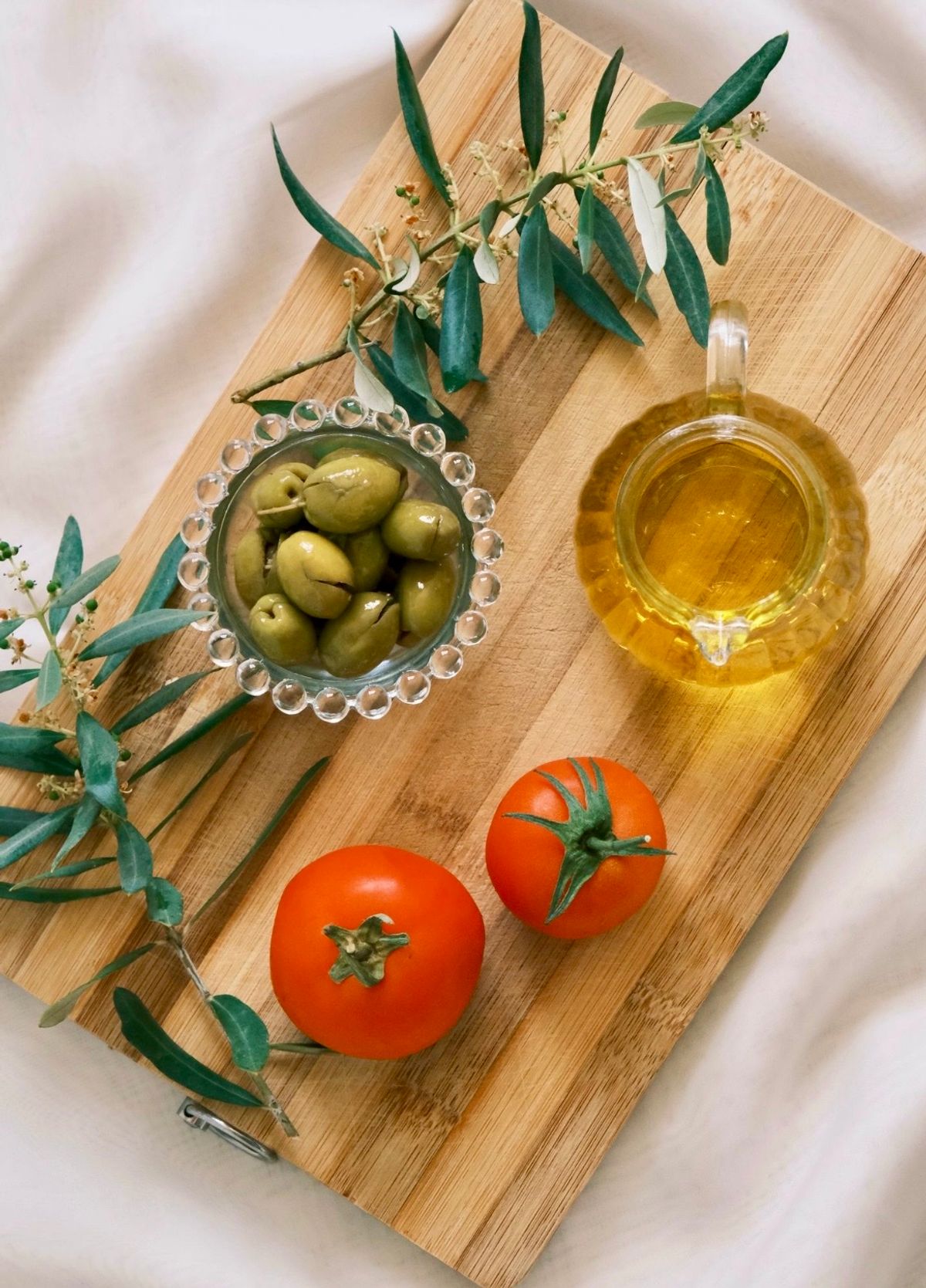
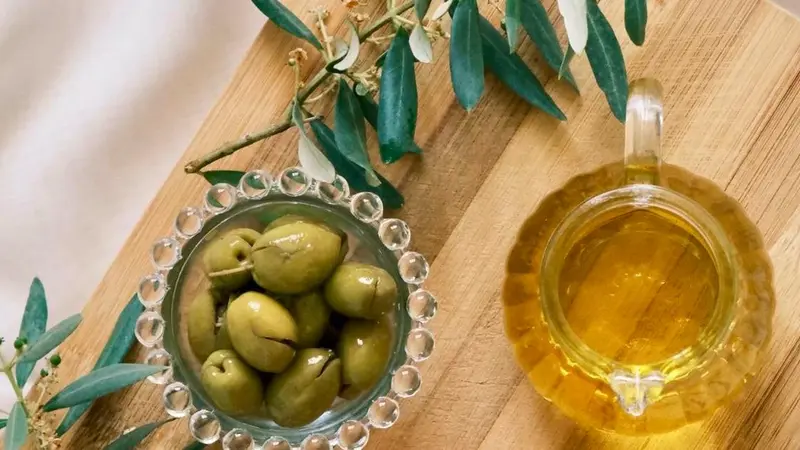
Monounsaturated fats are abundant in olive oil, canola oil, and avocados, significantly improving cardiovascular health. Meanwhile, polyunsaturated fats provide essential fatty acids like omega-3 and omega-6 that the body cannot synthesize on its own. Sources include fatty fish, walnuts, flaxseeds, and tofu.
### Building a Healthy Diet
To optimize fat intake, consider adopting the Mediterranean diet (focusing on olive oil, fish, nuts, and green vegetables) or the DASH diet (which supports blood pressure management). Carefully reading food labels and prioritizing natural, healthy fat sources is a crucial step for long-term health improvement.