Food Additives: Understanding Safety and Responsible Consumption
Explore the nature of food additives, the safety evaluation process by WHO, and key considerations to protect consumer health.

Food additives are essential components in processed products such as beverages, packaged goods, and confectionery. According to the World Health Organization (WHO), these substances are added for specific technical purposes, including preservation, quality maintenance, color, flavor, or texture enhancement.
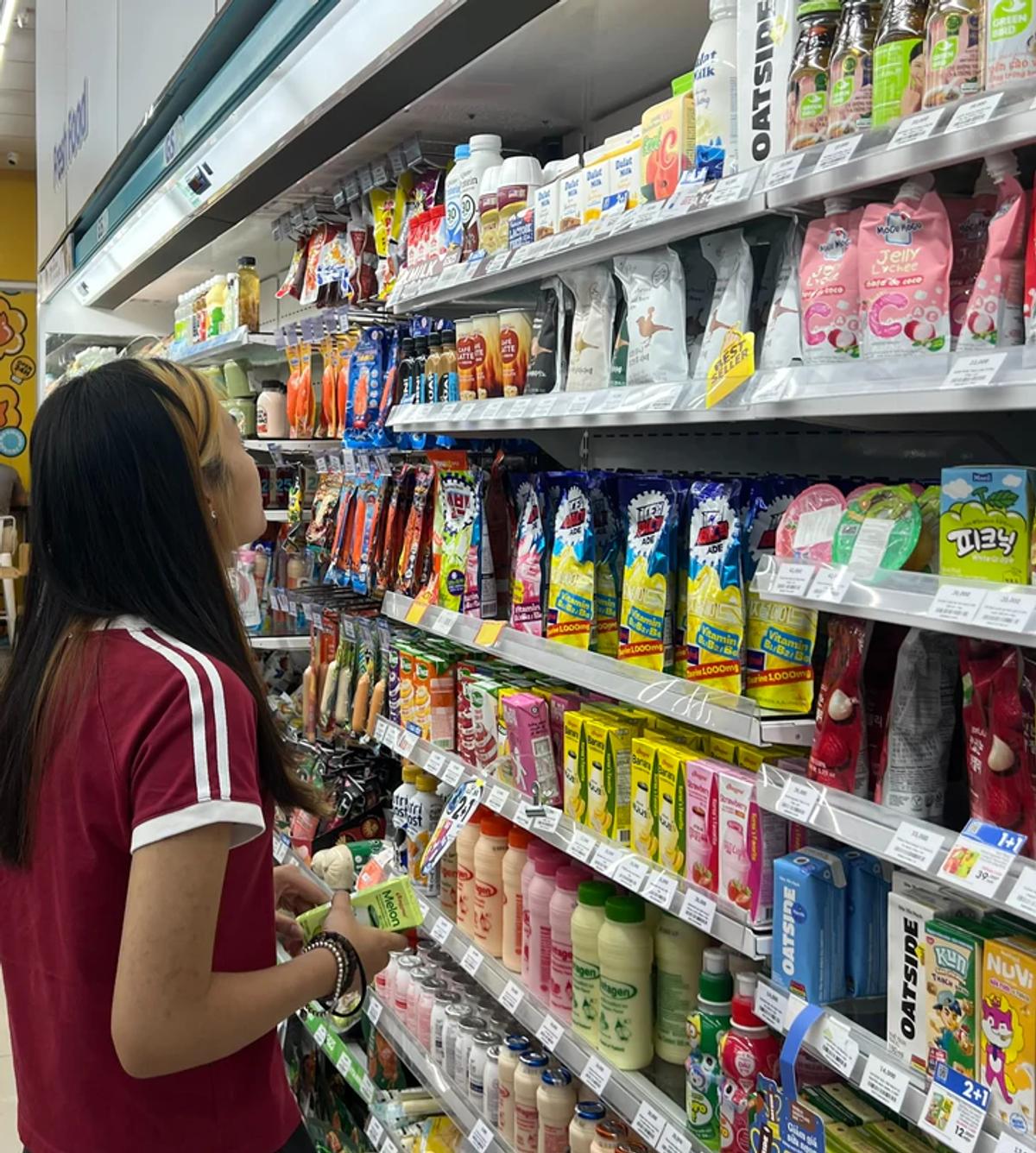
Not all foods contain additives. Most fresh or minimally processed foods do not require these ingredients. Additives are categorized into various groups, such as preservatives, colors, sweeteners, flavor enhancers, antioxidants, and stabilizers, each playing a vital role in ensuring the safety and sensory quality of industrial food products.
The use of additives is not subjective but governed by strict evaluation protocols. The Joint FAO/WHO Expert Committee on Food Additives (JECFA) conducts toxicological studies to determine safety. Based on these data, JECFA establishes the Acceptable Daily Intake (ADI)—the amount of a substance that can be consumed daily over a lifetime without significant health risks. International Codex standards are based on these comprehensive assessments.
Even when a substance is permitted, consumers should avoid over-relying on processed foods. Diets heavy in processed items often contain excessive sugar, salt, and calories. Consumers should focus on the total amount and frequency of consumption rather than focusing solely on the individual risks of specific additives.

Regarding non-sugar sweeteners such as aspartame, sucralose, or stevia, the WHO issued a recommendation in 2023 advising against their long-term use as tools for weight control or reducing the risk of non-communicable diseases. However, this does not imply that these substances are toxic, but rather distinguishes between toxicological safety assessments and evidence regarding long-term health efficacy.
Practical advice for consumers is to build the habit of reading nutrition labels and ingredient lists before purchase. Do not rely solely on phrases like 'low sugar' or 'zero calories'; instead, evaluate the overall nutritional value. Prioritizing fresh produce, whole grains, fruits, and vegetables while limiting highly processed foods will help reduce dependency on additives and better protect family health.