Improper Food Thawing: Hidden Risks to Food Safety
Discover safe thawing methods recommended by WHO and FDA to prevent bacterial growth and protect your family's health.
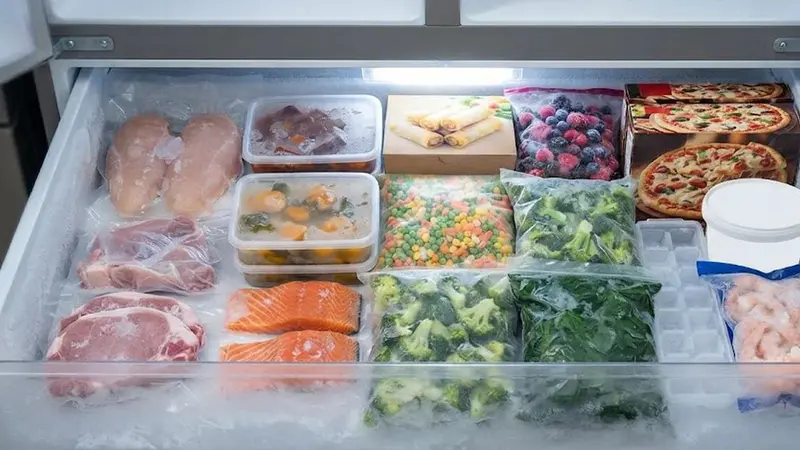
When food is in a frozen state, low temperatures play a critical role in inhibiting the growth of most microorganisms. However, as the thawing process begins, the surface warms up first. If food is kept at unsafe temperatures for an extended period, it provides an ideal environment for bacteria to multiply.
The World Health Organization (WHO) strongly advises against thawing frozen food at room temperature. Experts note that microorganisms multiply rapidly at ambient temperatures; maintaining storage below 5 degrees Celsius is the most effective way to slow their growth. A common misconception is that food quality can be assessed by sight or smell, but in reality, bacteria-contaminated food does not always show clear warning signs in odor or appearance.
Thawing on the kitchen counter is a serious mistake in food preparation processes.
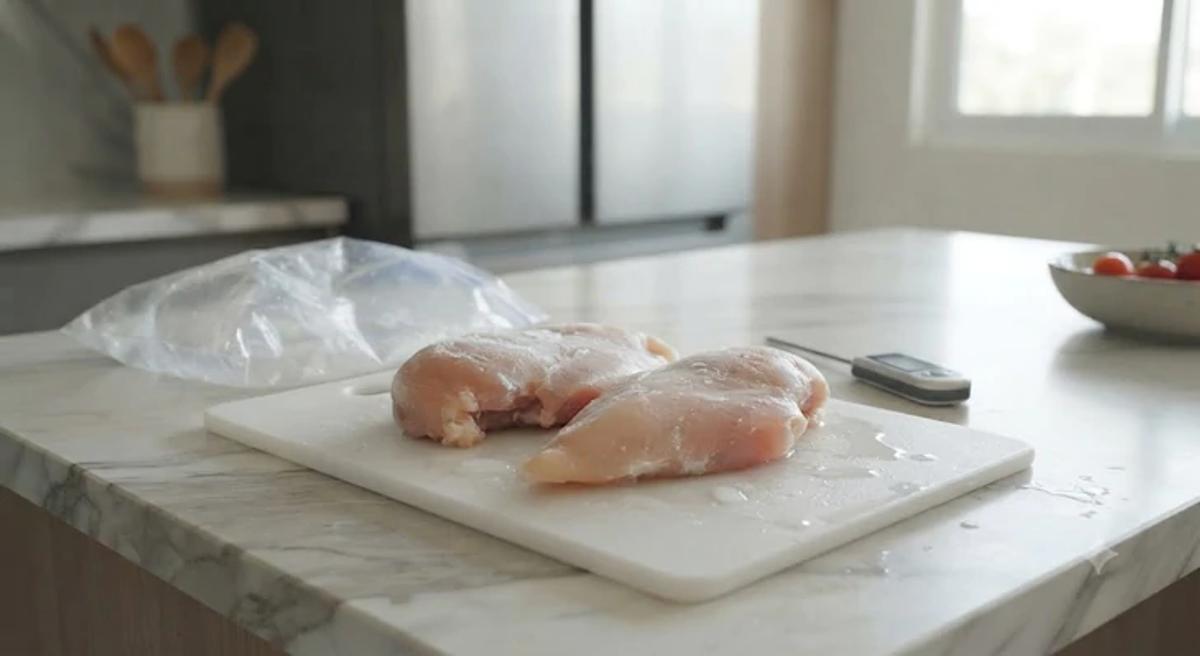
Leaving meat, fish, or seafood on the kitchen counter for hours to thaw causes the surface to quickly reach temperatures favorable for bacterial growth, while the inner core remains frozen. The U.S. Food and Drug Administration (FDA) emphasizes that bacteria can grow rapidly in food that is not kept cold. More concerningly, some bacteria can produce heat-resistant toxins, meaning subsequent cooking may not fully eliminate the risk of food poisoning.
Do not use hot water to thaw food.
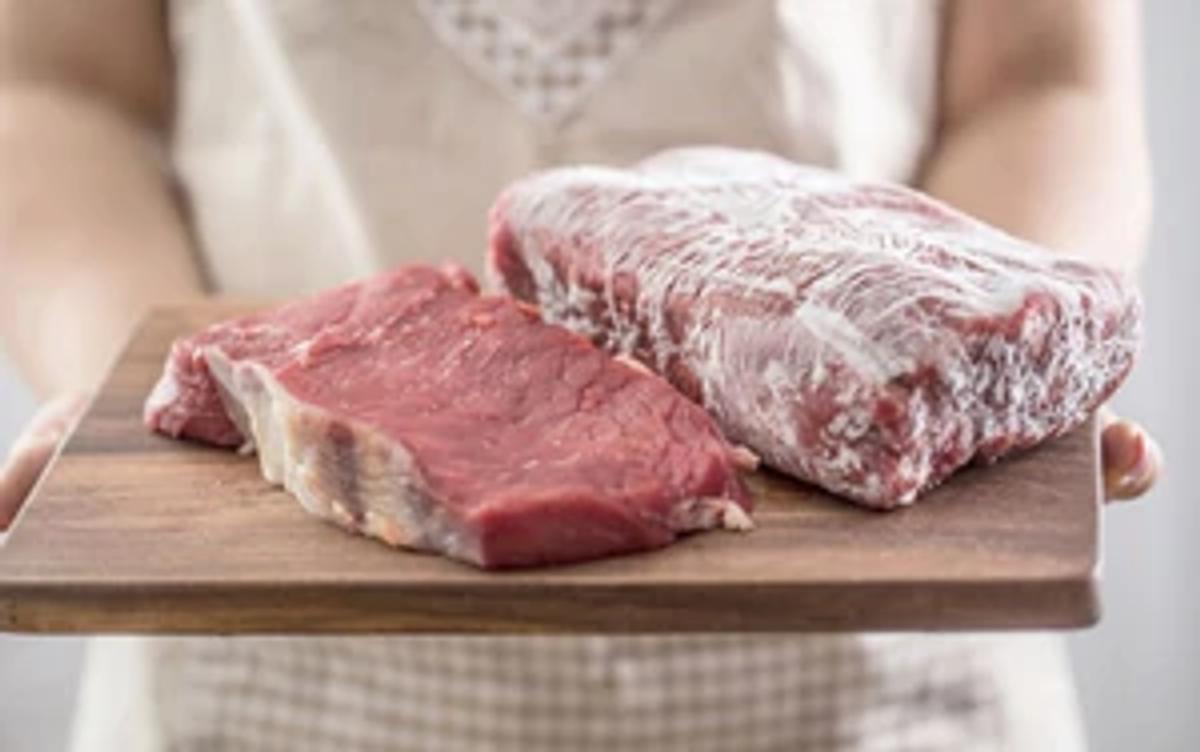
Although hot water makes food soft quickly, this method is unsafe. The surface temperature rises rapidly while the inside remains frozen, creating conditions for bacteria on the outer layer to flourish. If quick thawing is necessary, use cold water, keep the food in a sealed bag to avoid direct contact with water, and change the water every 30 minutes. After thawing with cold water, food should be cooked immediately.
Safe thawing methods include: thawing in the refrigerator (ensuring stable temperatures), thawing in cold water (changing water periodically), and using a microwave (requiring immediate cooking afterward).
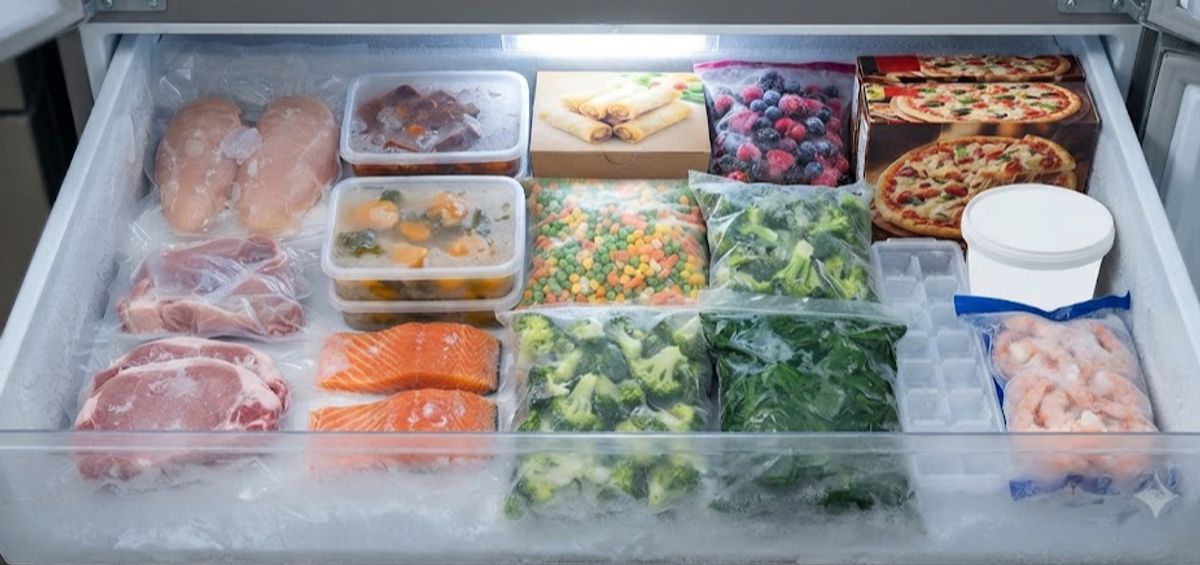
Regarding refreezing food, the rules depend on the initial thawing method. If food was thawed in the refrigerator, it can be refrozen without pre-cooking. However, if thawed by cold water or in a microwave, the food must be cooked before being refrozen.
During food preparation, separating raw and cooked foods is a key factor in preventing cross-contamination, as per WHO's 5 principles of food safety. Proper thawing not only preserves nutritional value but is also an essential defensive step against foodborne illnesses.