Pho for breakfast, fried rice for lunch: The daily 'trap' of excess salt and sugar
An analysis of dietary consumption and the need for mandatory front-of-package warning labels to help Vietnamese consumers manage salt, sugar, and saturated fat intake.
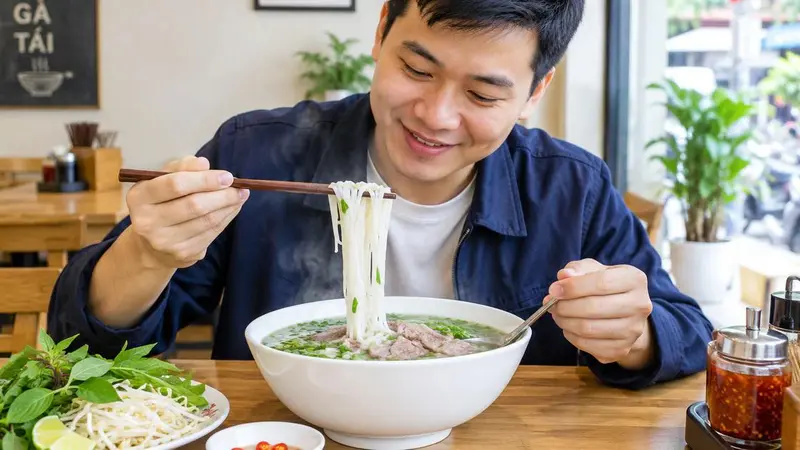
While considered typical meals, the daily dietary habits of most consumers currently pose significant health risks. With the rise of processed foods and eating out, the lack of nutritional identification tools at the point of sale is causing people to inadvertently consume excessive amounts of salt, sugar, and saturated fat.
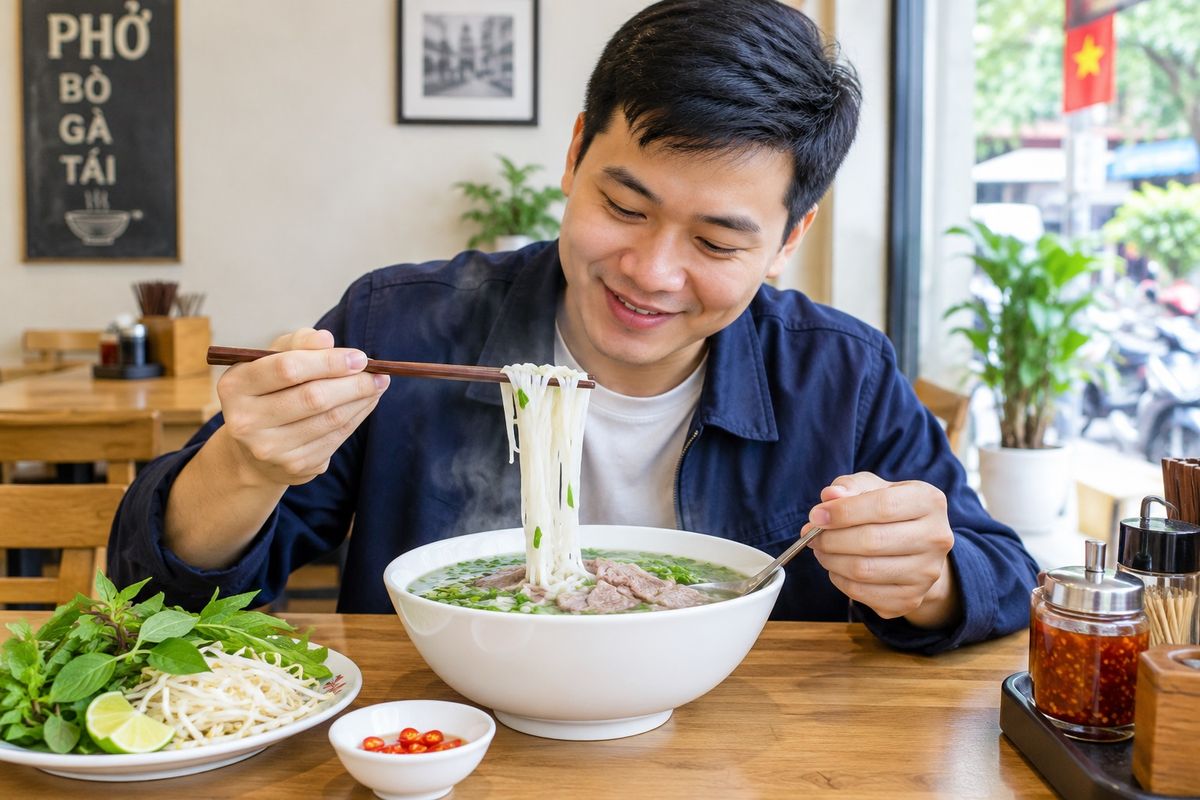
Consider the typical menu of an office worker: a bowl of pho for breakfast, fried rice for lunch, and bubble tea in the early afternoon. Even without fried snacks or sweets, these items often contain levels of sodium and sugar far exceeding daily recommendations.
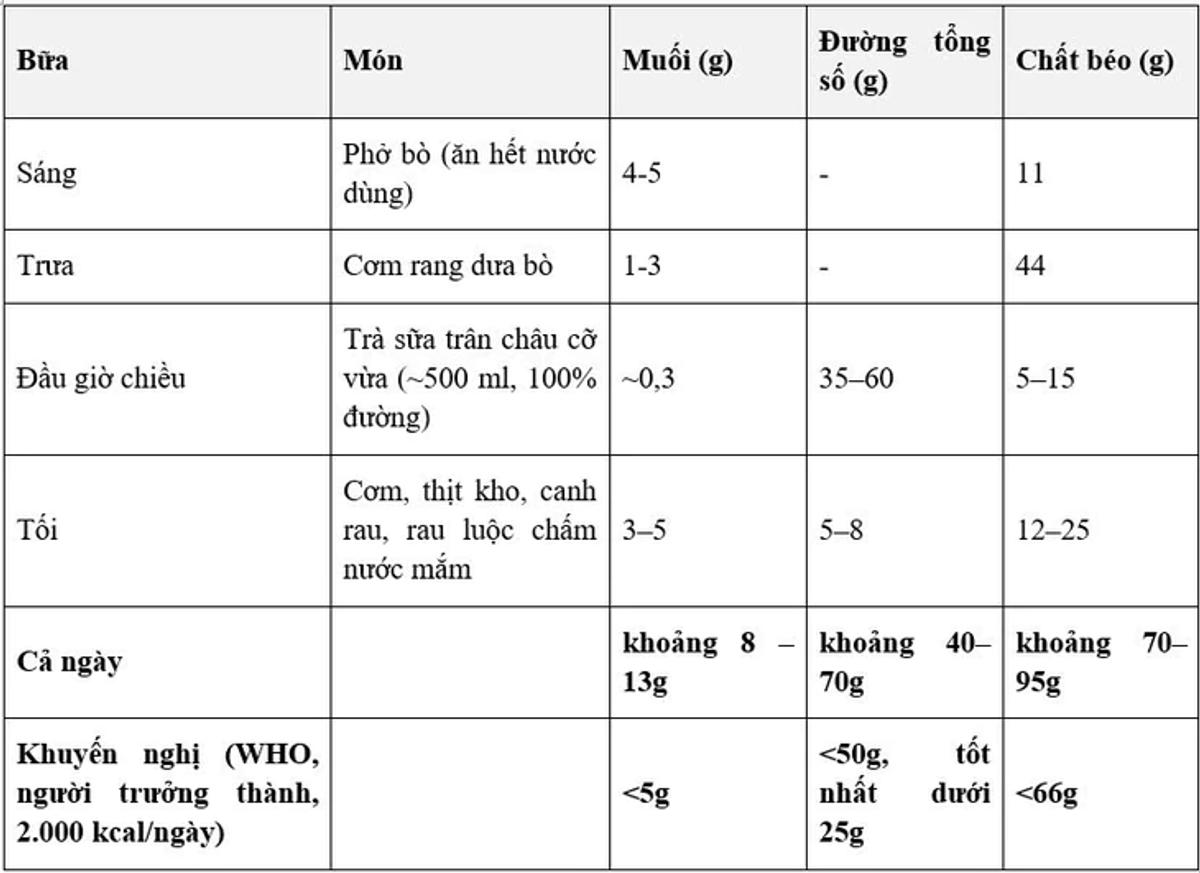
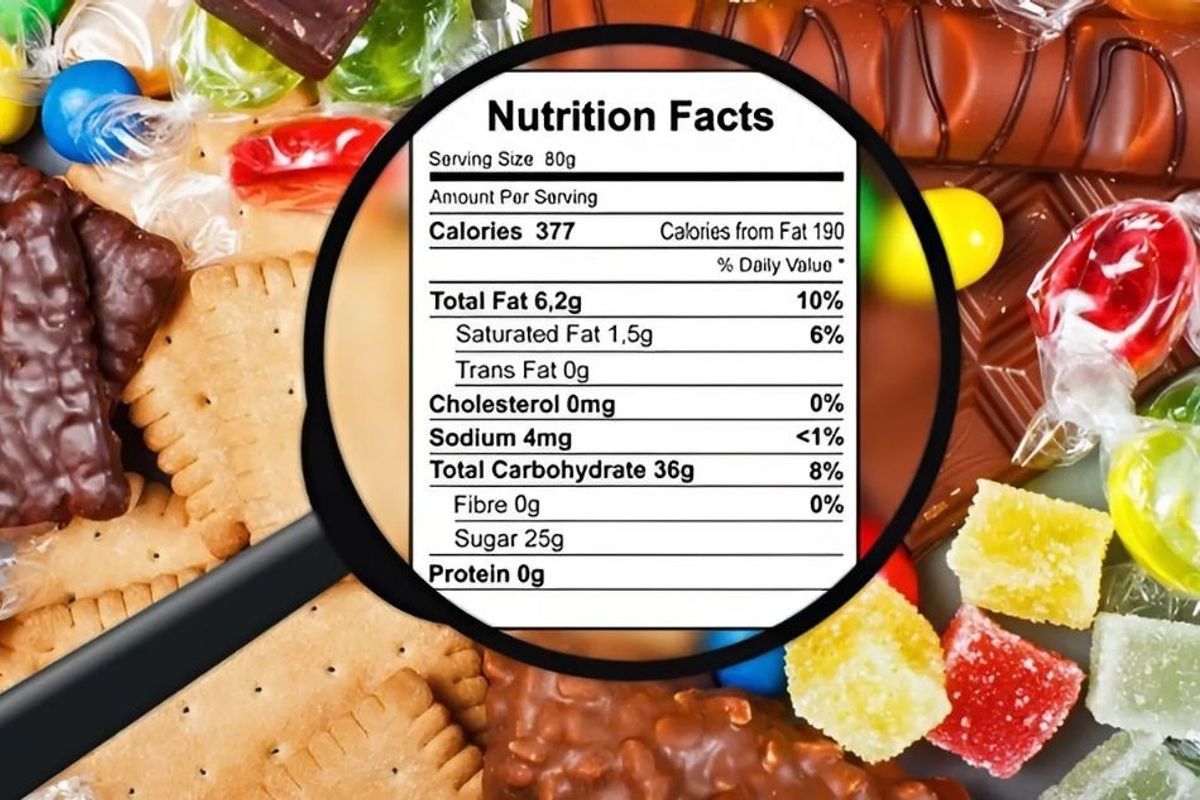
In reality, pho broth, fish sauce, seasoning powder, and milk tea are 'hidden' sources of sodium and sugar. A medium-sized bubble tea can contain 35-50g of sugar, well above the 25g/day threshold. Meanwhile, reading nutritional labels on the back of packages is too complex for the average consumer due to confusing measurement units.
A survey by the National Institute of Nutrition on nearly 2,000 products in Hanoi, Da Nang, and HCMC reveals that nutritional information is inconsistent and many consumers cannot understand or lack the time to calculate salt content from sodium in just a few seconds at the supermarket.
Front-of-package labels (FOPL) with simple symbols, such as a black octagon stating 'HIGH SUGAR' or 'HIGH SALT', are a solution already adopted by 17 countries as of early 2026. This approach allows shoppers to identify unhealthy products within 3 seconds without needing specialized knowledge.
Lessons from Chile show that after implementing warning labels, businesses proactively reformulated products to reduce sugar and salt levels to avoid labeling. This not only helps consumers make better choices but also encourages the entire food market to move toward greater sustainability and health.
Rather than placing the burden on consumers, Vietnam needs to consider integrating this regulation into the amended Law on Food Safety. Creating a transparent food environment is key to transitioning from simply 'knowing it's unhealthy' to 'making it easy' to choose healthier options.
