F&B Brands Face Legal Challenges Over AI-Driven Menu Pricing Strategies
McDonald's faces a class-action lawsuit over allegations that its AI pricing system coordinates prices across franchises, raising concerns about fair competition.
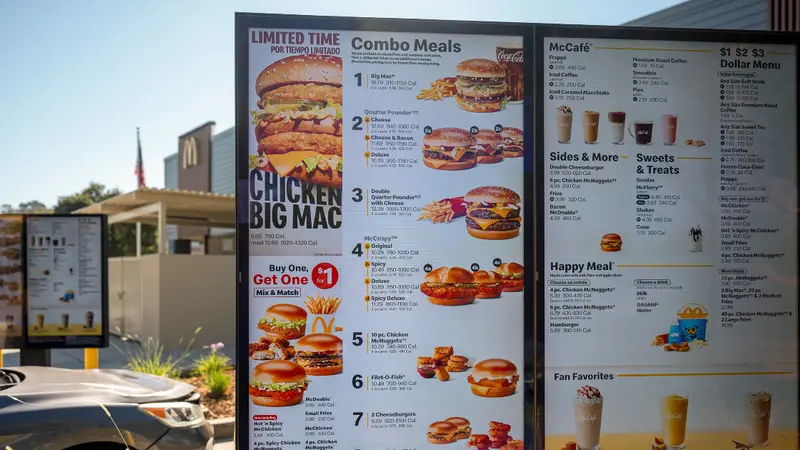
Restaurant chains have long balanced local operational costs with market fluctuations when setting menu prices. However, the adoption of artificial intelligence (AI) to suggest specific pricing for individual branches, exemplified by McDonald's, is now under intense regulatory scrutiny.
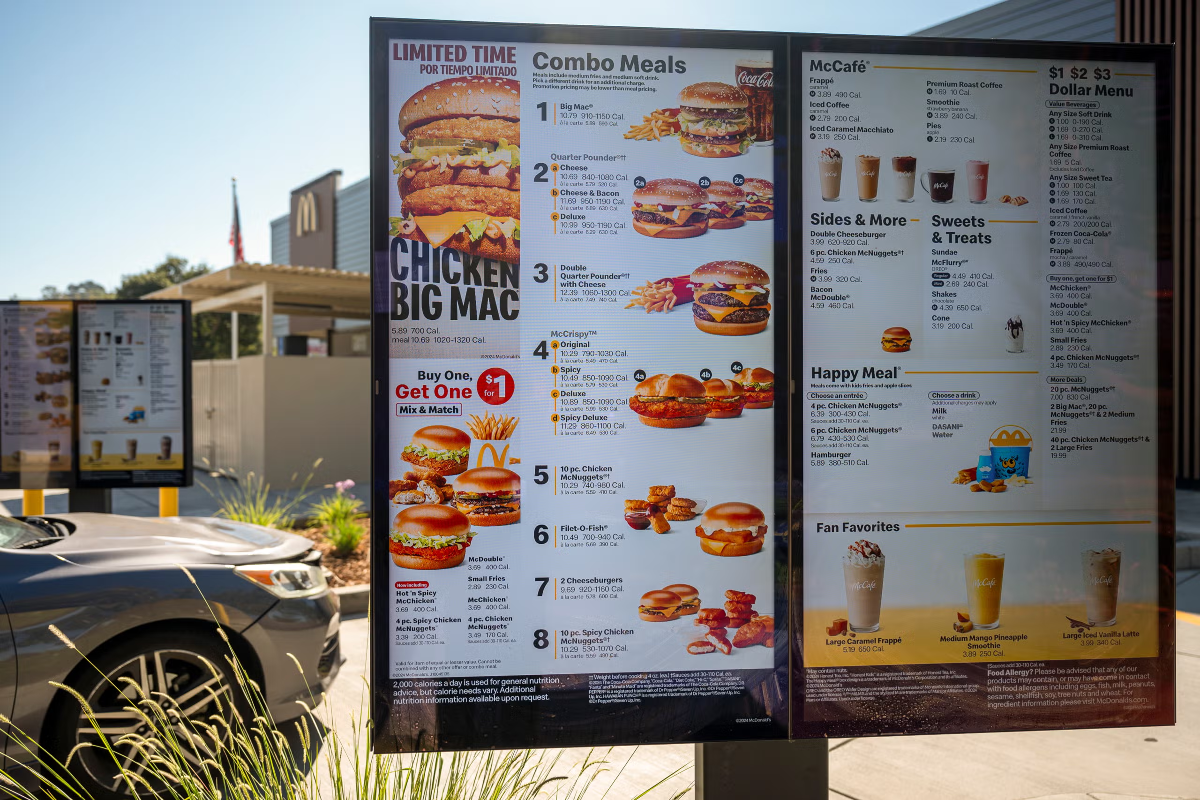
On October 2, a customer in Illinois, USA, filed a class-action lawsuit against McDonald's. The lawsuit alleges that the corporation's AI-driven pricing system violates federal antitrust laws by utilizing non-public sales data to coordinate menu prices between independent franchises and company-owned stores. Plaintiffs argue that this system effectively allows competing restaurants to collude on pricing, negatively impacting consumer interests.
McDonald's has officially denied these allegations, asserting that their AI tools serve only as recommendations and that the final pricing authority remains with individual franchise owners.
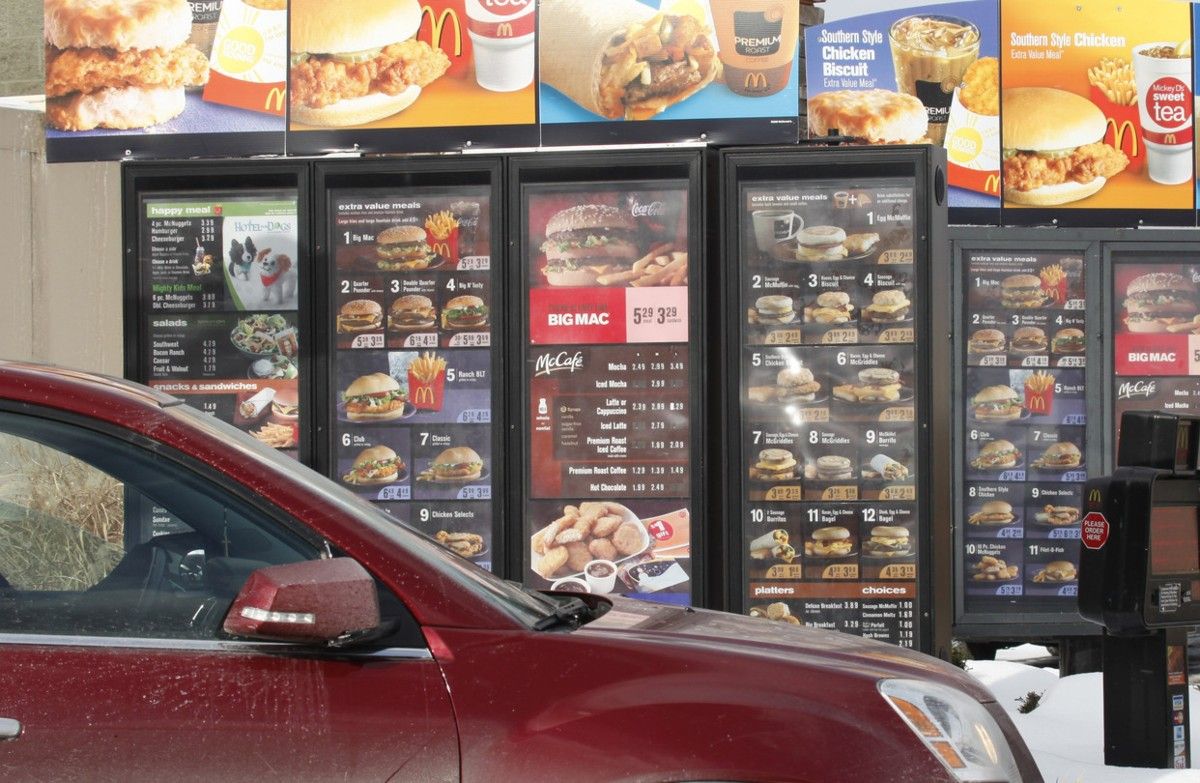
Nevertheless, reports from Reuters on September 29 indicated that some franchise owners felt pressured to utilize the pricing tools provided by the company. According to updated business standards implemented in January, owners are required to consult with advisors and utilize tools approved by McDonald's.
In a statement to Food & Wine, McDonald's emphasized: 'AI does not autonomously set prices for items like the Big Mac. These are data analytics tools widely used across various industries to help restaurant owners make informed decisions based on local market dynamics.' The corporation also asserted that its system does not employ real-time dynamic pricing and does not tailor prices based on an individual customer's willingness to pay.
According to company data, the AI analyzes millions of transactions, competitor pricing, and local price sensitivity to generate optimal recommendations.

Ram Jayaraman, Senior Vice President of Software Engineering at Tillster, remarked: 'AI improves the precision and scale of business decisions. Rather than just increasing prices, an effective system can suggest discounts or bundle deals at locations with lower traffic to drive demand.' However, he warned that transparency is essential, as customers may lose trust if they suspect pricing is being manipulated on an individual basis, even if that is not the case.