Garlic and Its Practical Nutritional Values for Human Health
Scientific analysis of garlic's health benefits, from cardiovascular support to blood sugar control, along with important considerations for consumption.
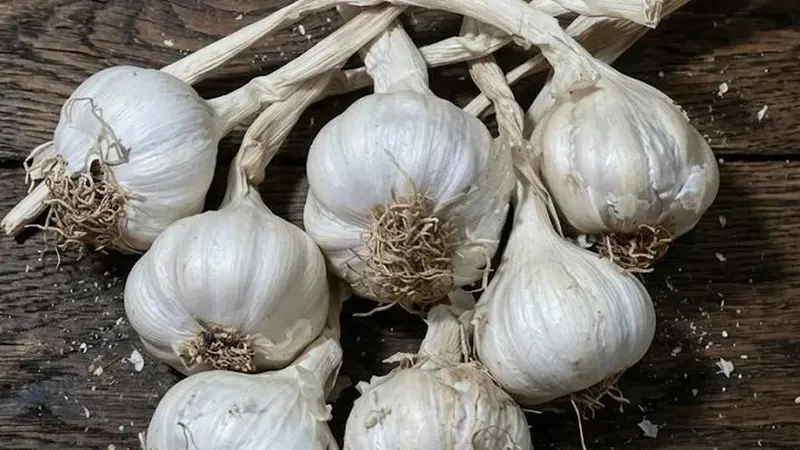
Garlic is an indispensable spice in many global cuisines. Beyond its distinct flavor, garlic contains sulfur compounds, most notably allicin – a valuable compound formed when garlic is sliced, minced, or crushed. Numerous studies have focused on the health impacts of garlic; however, consumers should understand that the level of scientific evidence varies for each benefit, and not all effects have been definitively proven in humans.
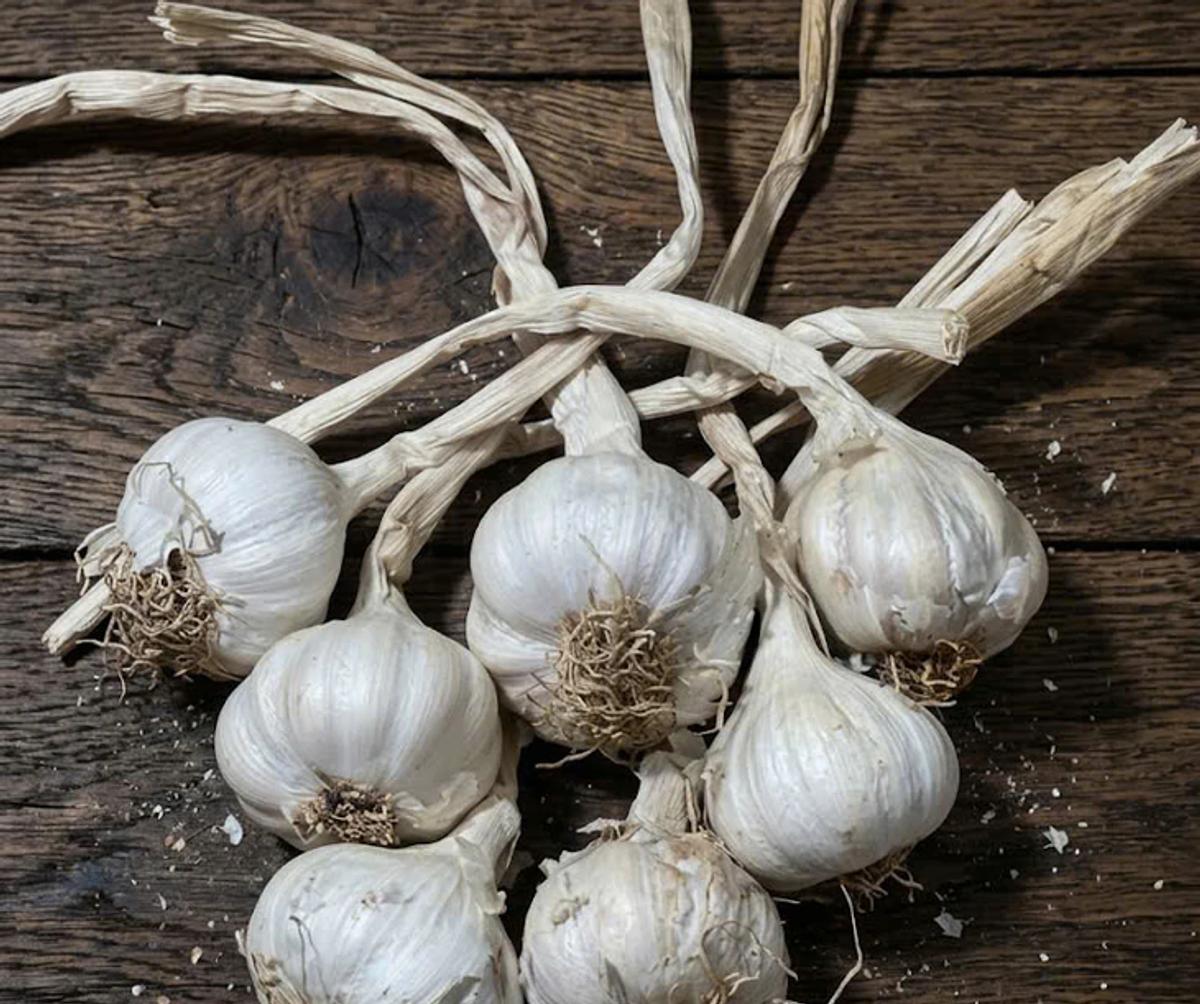
Regarding cardiovascular health, according to the U.S. National Center for Complementary and Integrative Health (NCCIH), garlic supplements may help modestly reduce total cholesterol and LDL cholesterol. Limited evidence also suggests that these preparations could assist in lowering blood pressure in hypertensive individuals. Nevertheless, experts emphasize that garlic should be viewed as a dietary seasoning within a balanced diet and active lifestyle, rather than a replacement for conventional cardiovascular medications.
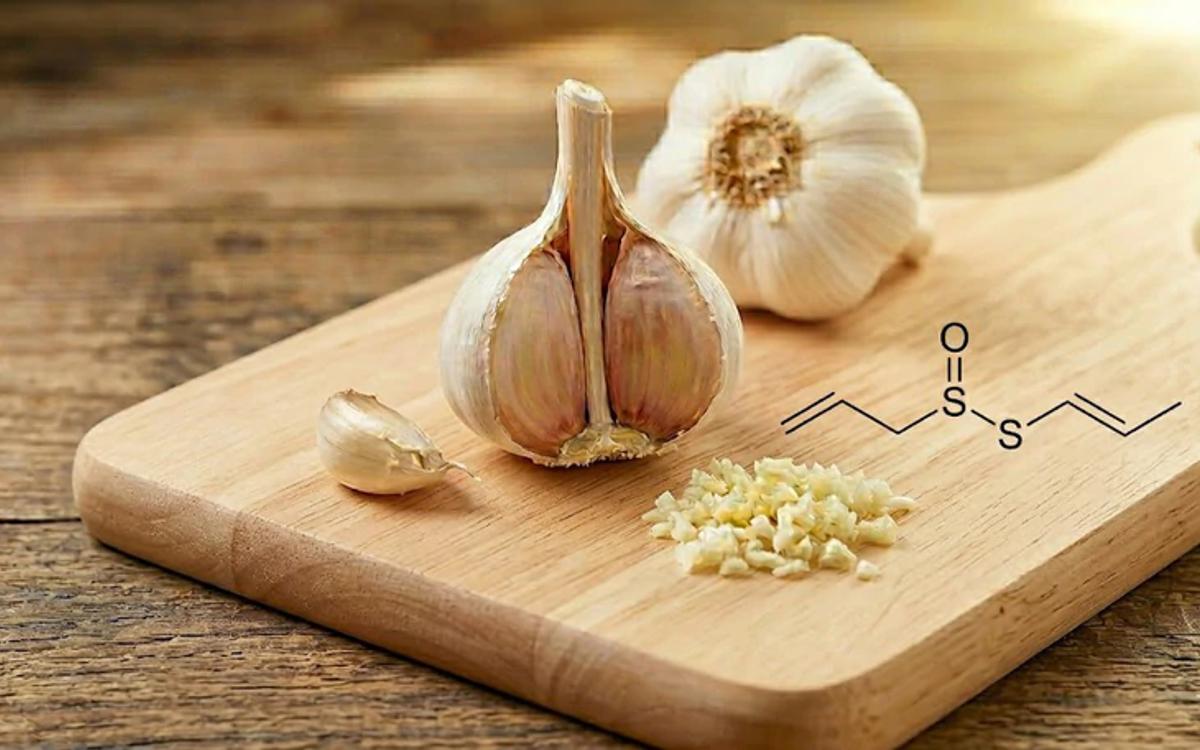
Additionally, bioactive compounds in garlic, such as antioxidants, play a role in mitigating oxidative stress—an imbalance between free radicals and the body's defense mechanisms. For diabetic patients, while there are some records suggesting garlic may help modestly lower blood sugar, it cannot replace specialized medical treatment protocols. Patients should adhere to their doctor's guidelines regarding diet, physical activity, and medication.

When using garlic, consumers should mince or crush it and let it rest for a short period before cooking to facilitate the formation of allicin. It should be noted that raw garlic can cause digestive irritation, heartburn, or bloating in some sensitive individuals. Particularly, those taking anticoagulants or aspirin should consult their doctor before using garlic supplements to avoid potential drug interactions that could increase the risk of bleeding.