Controversy over suspected moldy juice: A food safety perspective
The dispute over suspected moldy juice in Nha Trang raises questions about distinguishing natural foam from indicators of food spoilage.
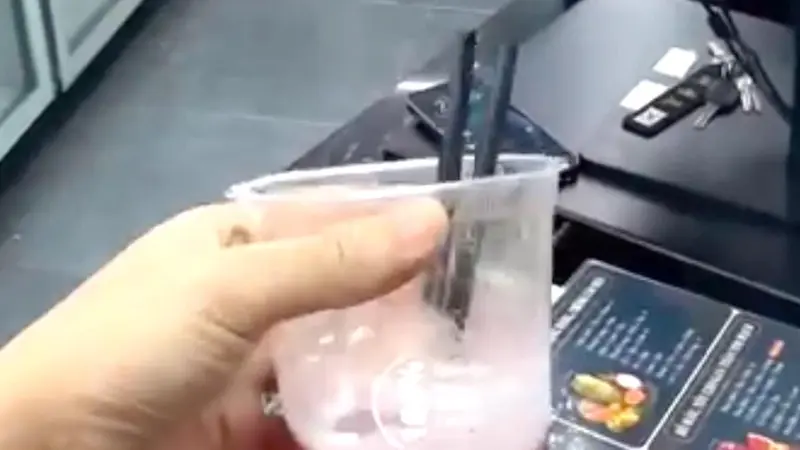
Recently, a video clip capturing a dispute between a foreign tourist and the owner of a juice shop in Nha Trang (Khanh Hoa) has attracted public attention. The conflict arose when the customer claimed that their freshly purchased beetroot juice appeared to be moldy and demanded a refund.
According to Mr. Tue Van, the shop owner, the incident took place on the evening of September 14. After consuming about half of the 39,000 VND drink, the customer complained about its quality. Mr. Van stated: 'I explained to the guest that the film on the surface was actually natural foam from the juicing process of vegetables and fruits, and certainly not an indication of mold or spoilage'.
Facing the request for a refund, the owner refused, maintaining that the product met quality standards. He reasoned that providing a refund could be misinterpreted as an admission that the product was defective. The parties failed to reach a consensus, leading the tourist to leave a 1-star review on Google Maps.
From a food science perspective, foam in fresh juice is typically created by proteins and organic compounds present in the ingredients, particularly beetroot, which are released during the extraction process. Consumers should be mindful of distinguishing between white foam (which usually dissipates quickly) and mold (which typically features fibrous structures, unusual colors, and off-putting odors). This incident serves as a learning opportunity for business owners regarding customer communication about product characteristics, and for consumers in identifying basic food safety indicators.