Building School Lunch Menus: The Nutritional Foundation for Comprehensive Child Development
Explore how to design scientific school lunch menus that ensure nutritional balance and food safety, fostering optimal physical and intellectual growth for students.

School lunch menus today are more than just meals to satiate hunger after stressful hours of learning. They serve as a critical nutritional foundation, providing the energy required for physical and cognitive activities throughout the day. When scientifically structured, these meals act as a solid leverage supporting a child's height, weight, and optimal cognitive development.
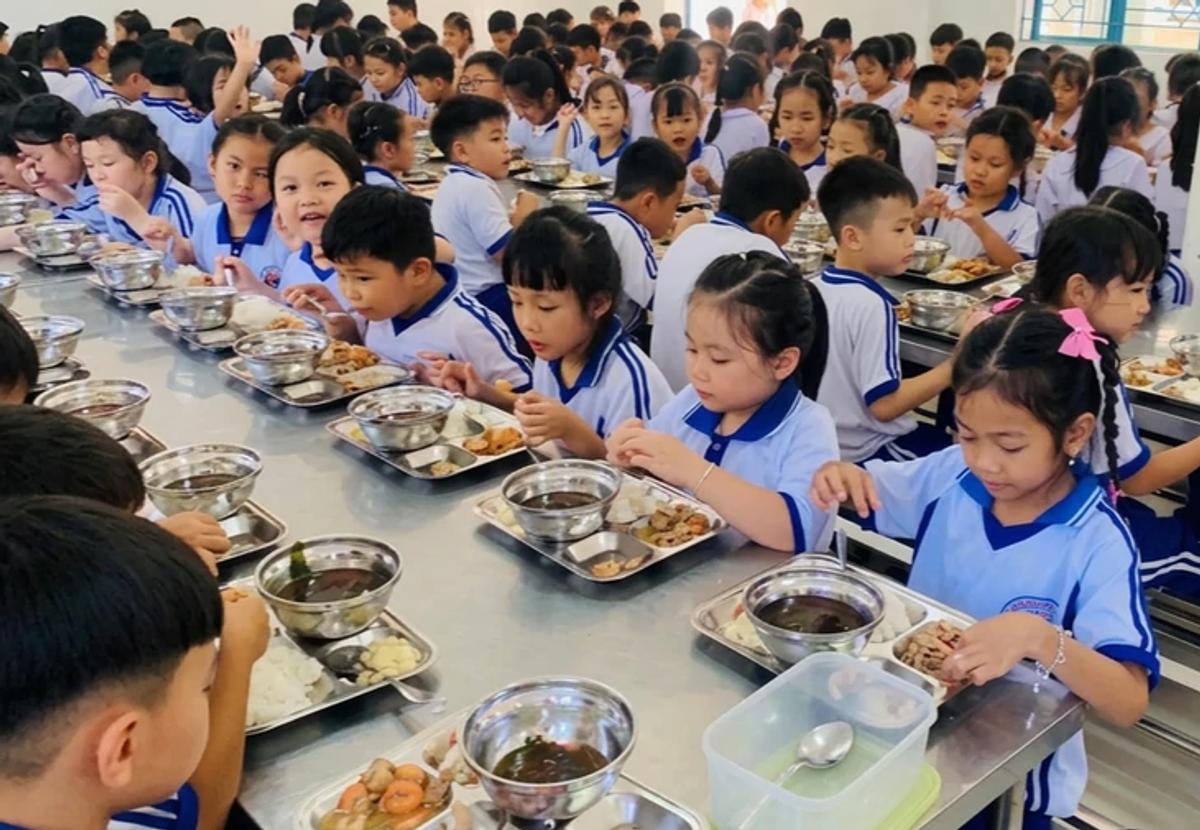
Lunch and afternoon snacks at school play a vital role, providing 40% to 50% of a student's total daily energy needs. A balanced meal must include four core nutrient groups: carbohydrates for energy, protein for muscle growth and development, lipids to aid vitamin absorption, and vitamins and minerals from vegetables to strengthen the immune system.

To build an optimal menu, schools should rely on the age-specific energy needs of their students. Experts recommend diversifying food sources on a weekly basis, prioritizing fresh ingredients over processed foods, and strictly monitoring salt and sugar intake. Culinary methods such as steaming or boiling are preferred to maximize the retention of nutritional content.

Alongside nutrition, food safety is a mandatory requirement. Kitchen operations must strictly adhere to the one-way flow principle, utilize ingredients that meet VietGAP standards, and conduct mandatory 24-hour food sampling for risk management. Transparency in quality control not only protects student health but also provides peace of mind to parents.
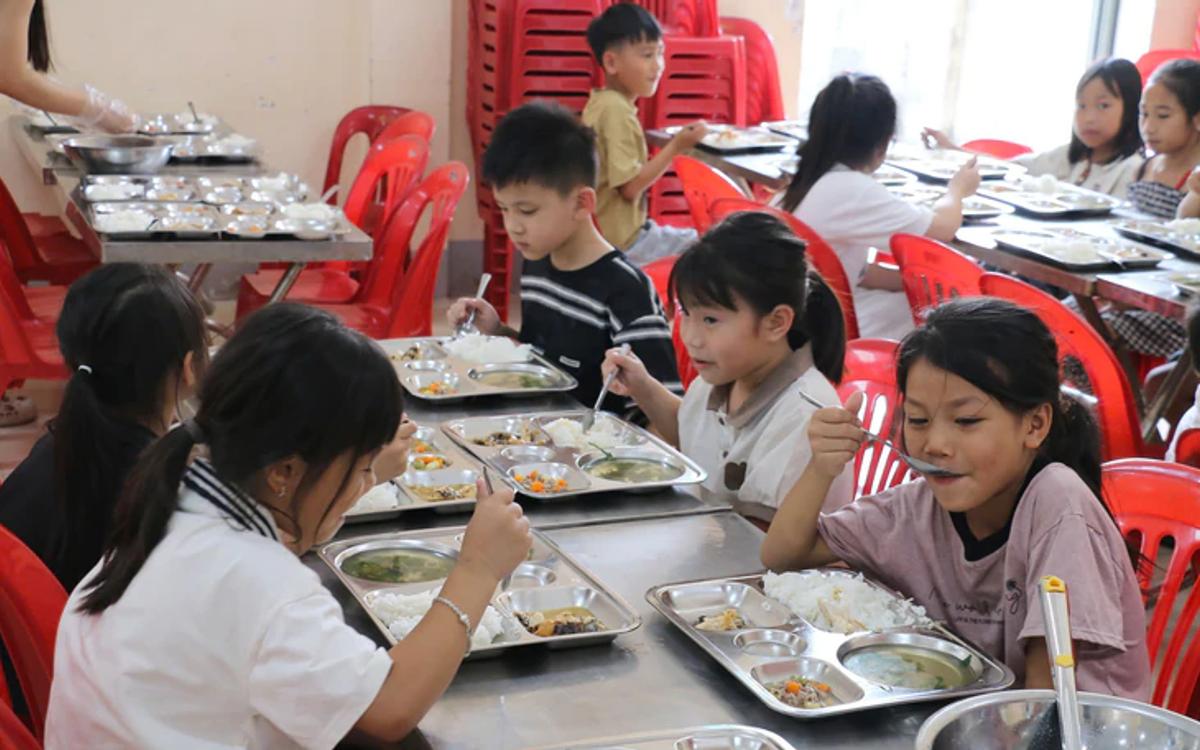
Beyond physical benefits, school meals serve as an effective environment for teaching soft skills. Through communal dining, children learn discipline, independence in self-service and cleanup, and develop an attitude of respect for food. These positive habits contribute to forming a civilized and sustainable lifestyle as children grow.