4 Essential Hygiene Principles to Prevent Cross-Contamination of Food
Discover 4 core hygiene principles for processing and storage to prevent cross-contamination, protecting your family from foodborne illnesses.
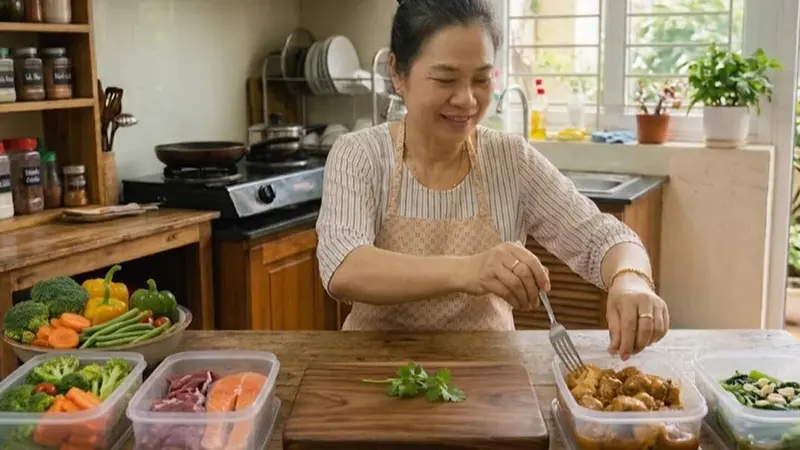
In the process of food preparation and storage, cross-contamination is identified as a leading cause of food poisoning and gastrointestinal diseases. Scientifically, cross-contamination occurs when bacteria, viruses, or pathogens migrate from a contaminated source to clean food, typically via raw ingredients, cooking utensils, contact surfaces, or improper hand hygiene. For instance, juices from raw chicken infected with Salmonella can harbor pathogens that transfer to cooked meat; similarly, using the same knife and cutting board for raw meat and fresh vegetables poses a significant risk.
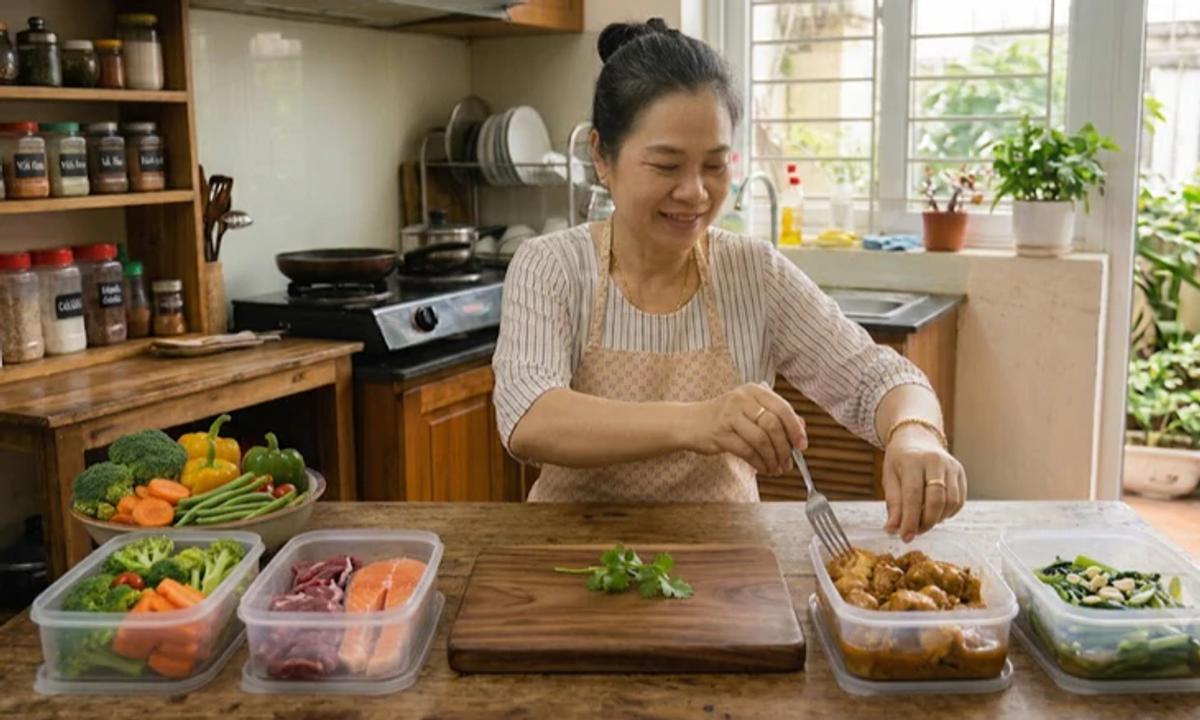
To mitigate this risk, the first step is to clearly categorize raw and cooked foods starting from the procurement stage. Meat, seafood, and poultry often carry risks of bacteria such as Salmonella, E. coli, or Campylobacter. Therefore, raw ingredients must be stored separately from vegetables and fruits. When storing in the refrigerator, follow the principle of placing cooked items on the top shelves and raw items on the bottom to prevent juices from raw meat from dripping onto other items.
The use of separate preparation tools is also vital. Every kitchen should be equipped with at least two sets of cutting boards and knives: one for raw food and one for cooked food or ready-to-eat vegetables. Furthermore, proper hand hygiene with soap before cooking, after handling raw meat, or after using the restroom is critical. Kitchen surfaces and sinks should be cleaned with hot water after handling raw foods, and multi-purpose kitchen cloths should never be used to dry dishes or clean hands.
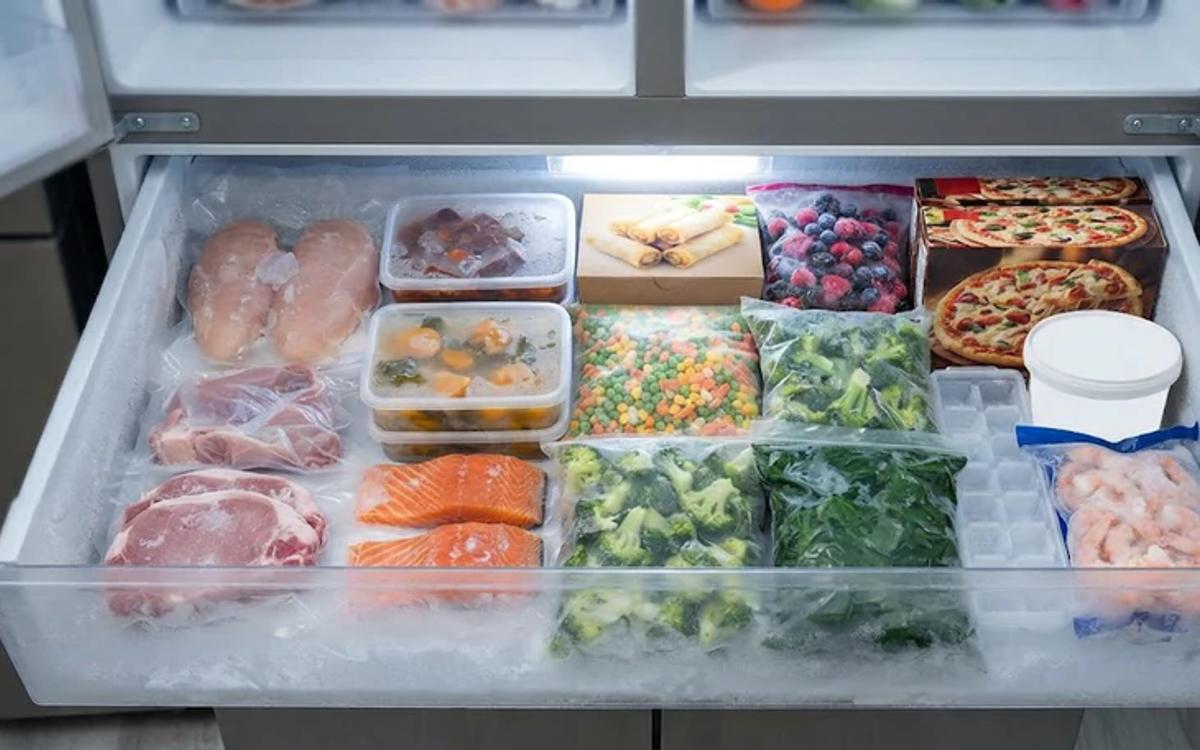
Finally, temperature control is key to inhibiting bacterial growth. Thawing should be performed in the refrigerator rather than at room temperature to avoid creating an environment for pathogens to thrive. Additionally, ensure food is thoroughly cooked at safe temperatures. Leftovers should be cooled quickly, stored in airtight containers, and properly reheated before consumption.