7 Nutritious and Safe Fish Types to Include in Your Diet
Discover 7 nutrient-rich fish species with low mercury levels and essential guidelines for safe fish consumption based on FDA recommendations.
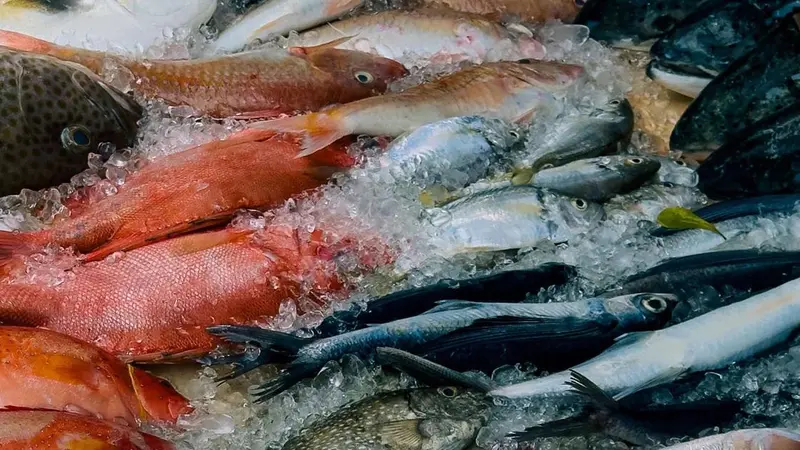
Fish is not only a high-quality protein source supporting muscle maintenance and immune function but also provides essential B vitamins, selenium, zinc, and iron. Oily fish varieties such as salmon or herring are particularly rich in omega-3 fatty acids (EPA and DHA), which play a key role in protecting cardiovascular health and maintaining bone density through vitamin D.
However, consumers should be aware of environmental contaminants, specifically the accumulation of mercury and polychlorinated biphenyls (PCBs) in fish. Pollution levels vary based on size, species, and habitat. Instead of eliminating fish from the diet entirely, experts recommend prioritizing species with lower mercury content to protect the nervous system, especially for young children and pregnant women.
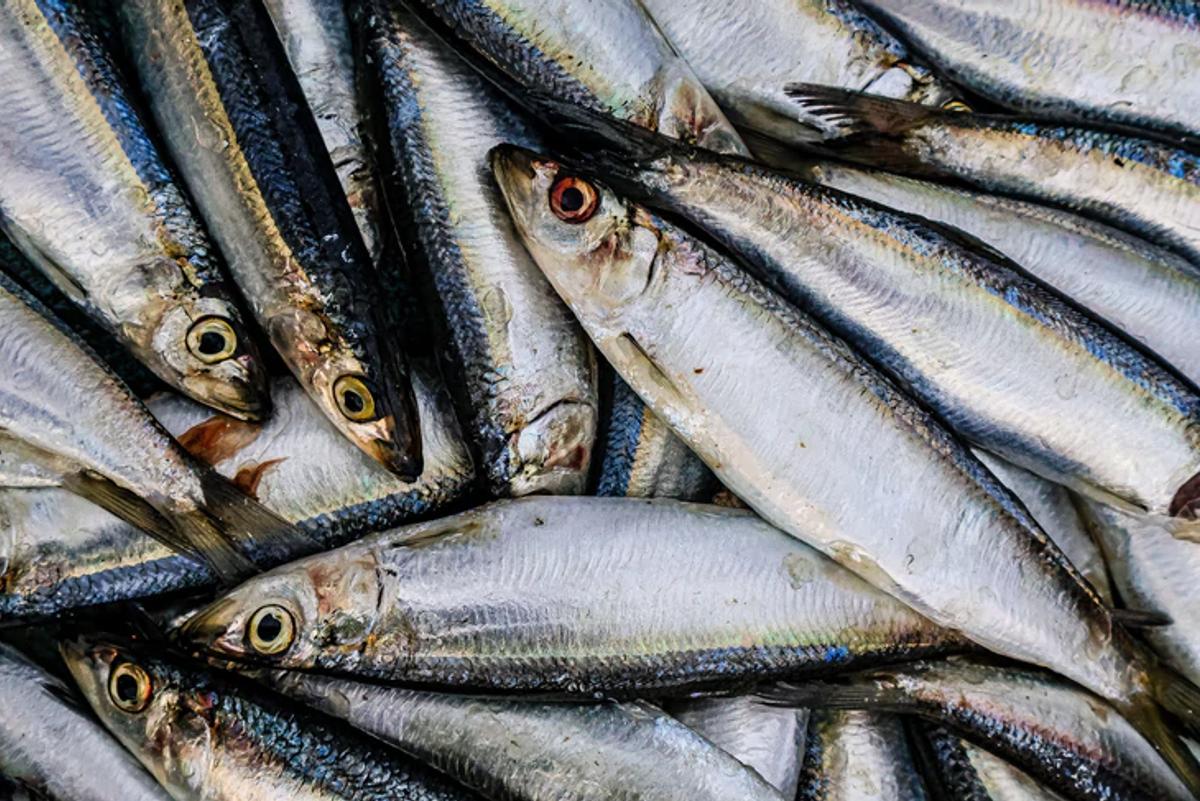
The 7 recommended healthy fish include: Sardines (rich in omega-3, protein, vitamin B12, and calcium from soft bones); Mackerel (opt for low-mercury species like Atlantic mackerel instead of King mackerel); Salmon (a rich source of protein and omega-3 with versatile culinary uses); Herring (nutrient-dense and low in mercury); Rainbow trout (a high-value freshwater fish); Anchovies (rich in selenium and omega-3); and Cod (a low-fat, high-protein white fish).

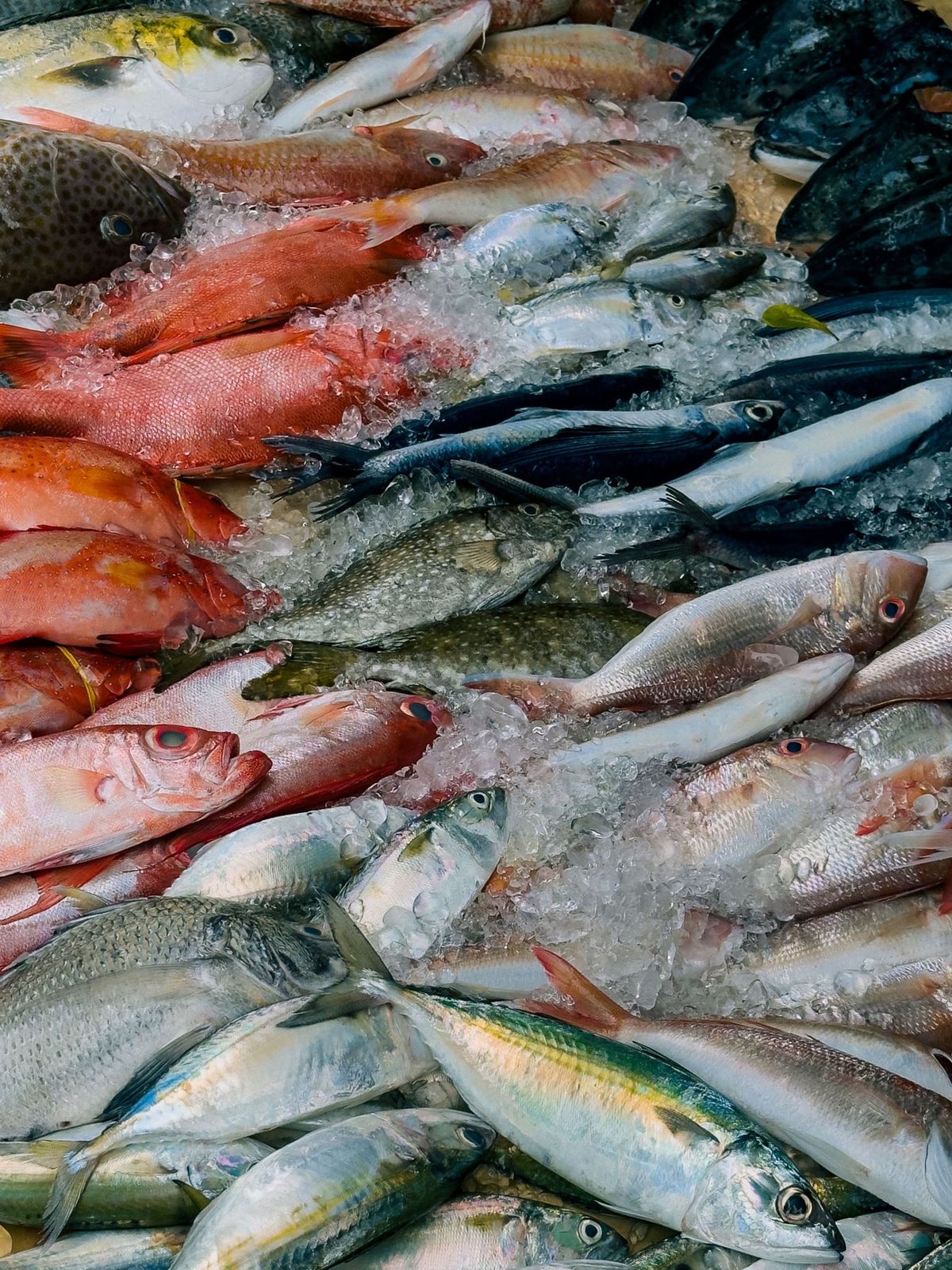
To optimize nutritional benefits, diversifying fish intake in one's diet is essential. Furthermore, attention should be paid to cooking methods such as steaming, poaching, or grilling instead of deep-frying, and limiting excessive salt intake in canned or dried fish products to promote long-term health.