Who has the authority to supervise school lunches? Establishing a mechanism for transparency
An analysis of the school lunch supervision mechanism under Directive 33/CT-TTg, ensuring parental rights and participation in school food safety management.
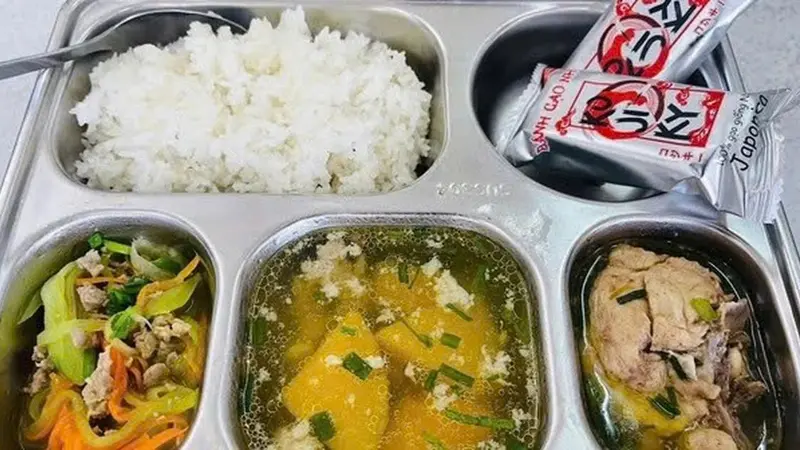
The question of who has the right to monitor school lunches goes beyond simple civil matters; it represents a fundamental shift in school management. Following the debates regarding school meals at Hung Vuong Primary School (Quang Tri), there is an urgent demand for a transparent mechanism to prevent portion cuts or violations of nutritional standards.
In fact, this requirement has been strongly institutionalized through Directive 33/CT-TTg, issued on August 14, 2026, by the Prime Minister regarding the strengthening of food safety in educational institutions. The directive mandates that schools disclose daily information on suppliers, menus, actual food photographs, import invoices, and sample meal trays. Any parental feedback must be addressed within a 24-hour window.
Additionally, Circular 09/2024/TT-BGDĐT emphasizes the responsibility of schools to publicly disclose all financial revenues and expenditures beyond tuition fees. However, transparency cannot be limited to financial reports. Parents must be empowered as stakeholders with genuine supervisory rights, enabling them to inspect, verify, and participate in the meal quality assessment process.
Simply posting a photo of an appetizing meal to a parent group cannot replace verification. The distinction between 'showing' and 'verifying' lies in factual data: raw ingredient quantities, per-serving weights, and the unpredictability of inspections. School lunch supervision must be carried out across a comprehensive chain, from the supplier selection process to the final delivery of the student's tray.
For the monitoring mechanism to be truly effective, educational institutions need to coordinate closely with the Parents' Representative Board through unannounced inspection schedules and digital feedback channels. The principal's responsibility must be clearly individualized in food supply contracts, including terms for immediate contract termination in the event of food safety commitment breaches.