Minister Dao Hong Lan: A Single Food Poisoning Incident Can Trigger Around 200 Different Diseases
Minister of Health Dao Hong Lan highlights the importance of refining food safety management mechanisms at the National Assembly session, aiming for a unified and effective management model.

During the group discussion session on the draft Law on Food Safety (amended) on October 24th, Minister of Health Dao Hong Lan issued serious warnings regarding potential health risks. According to statistics from the health sector and international organizations, a single food poisoning incident can lead to approximately 200 different diseases, placing a significant burden on the healthcare system.
According to Minister Dao Hong Lan, risks can arise at any stage, from processing and preservation to transportation and consumption. She emphasized: 'Food may be produced to standard but can still cause poisoning if stored improperly in hot weather conditions.' Therefore, the amendment to the law must focus on the specific characteristics of each product type throughout the entire supply chain.
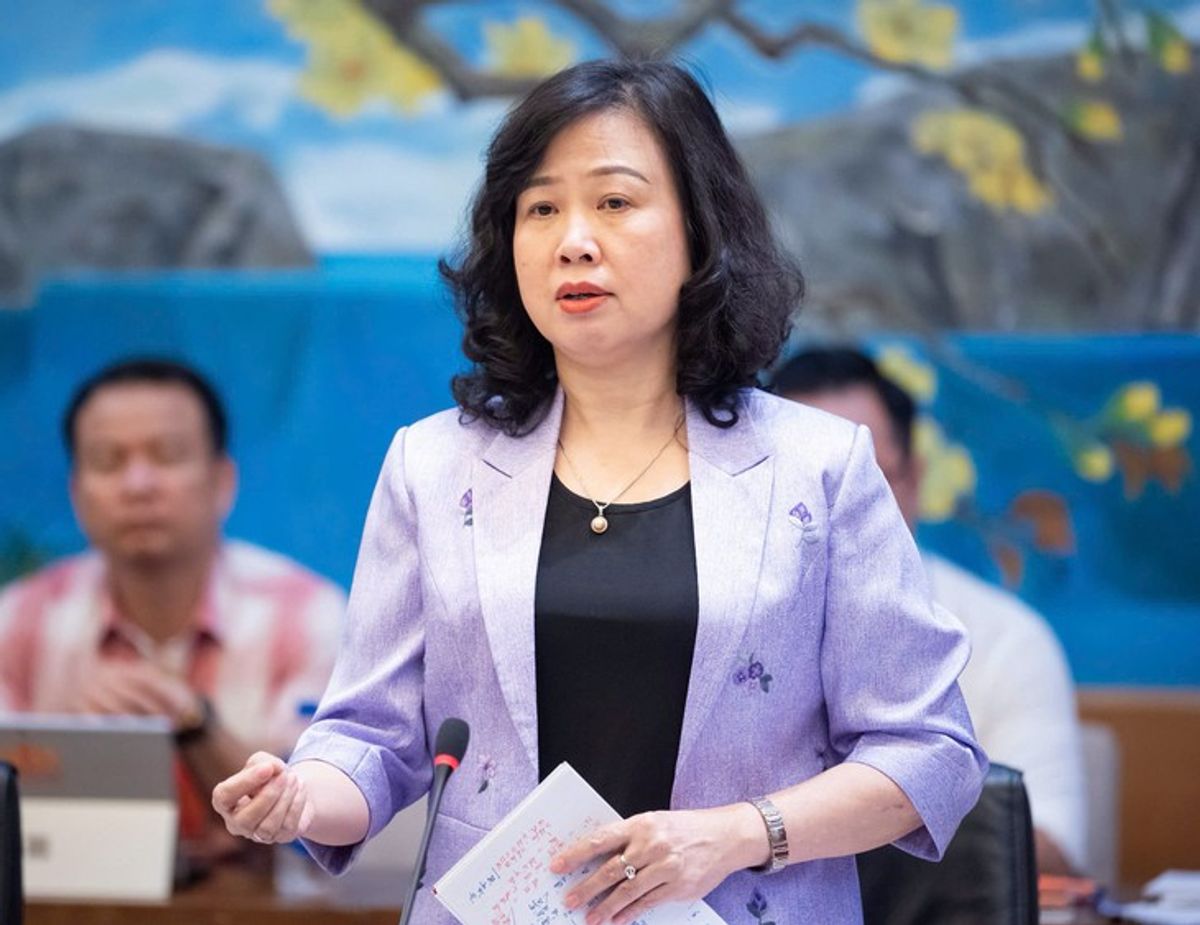
Regarding the management model, the draft law aims for the Ministry of Health to take responsibility for unified state management of food safety. The Minister explained that this does not mean the Ministry of Health will take over all agricultural activities, but rather establish a clear distinction between initial production management responsibilities and food safety assurance responsibilities. This system will also allow for reduced inspection frequency for businesses with a good compliance history, based on a comprehensive digital database.

National Assembly Chairman Tran Thanh Man affirmed that no agency is allowed to shift responsibility with the excuse that 'it is not my job.' He emphasized that unifying management focal points will address legal loopholes that have been exploited by illicit production networks for counterfeit foods and low-quality functional foods in recent times.