Ministry of Health aligns draft Food Safety Law (amended) with risk-based management model
The Ministry of Health promotes food safety management reforms through the draft amended Law, focusing on risk analysis in line with international CODEX standards.
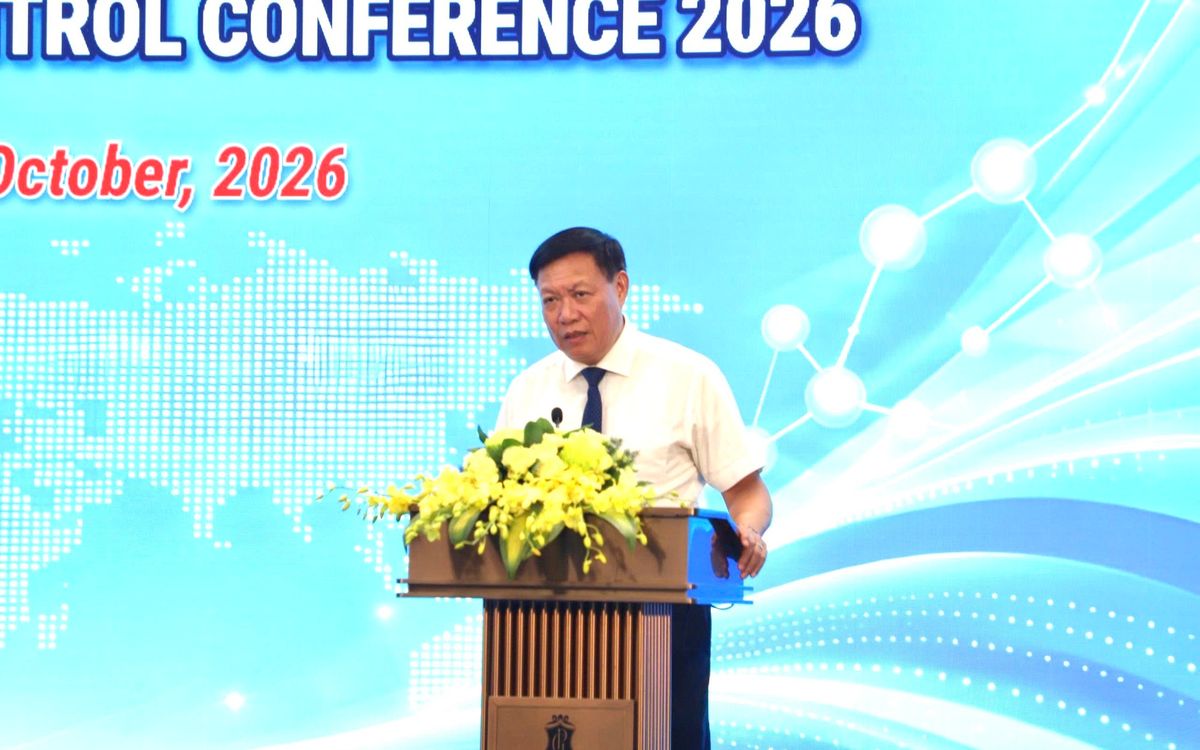
On the afternoon of October 15, the Vietnam Food Administration (VFA) under the Ministry of Health announced that the draft Law on Food Safety (amended) marks a breakthrough in regulatory philosophy. Moving away from passive, fragmented inspections, the system will shift toward comprehensive management of the entire food value chain based on risk analysis to proactively prevent issues at the source.
Food safety control will now be enforced across every link of the supply chain. From primary production stages such as cultivation, livestock farming, and harvesting to processing and distribution, contaminants—including veterinary drug residues and pesticides—are strictly monitored to ensure consumer safety.
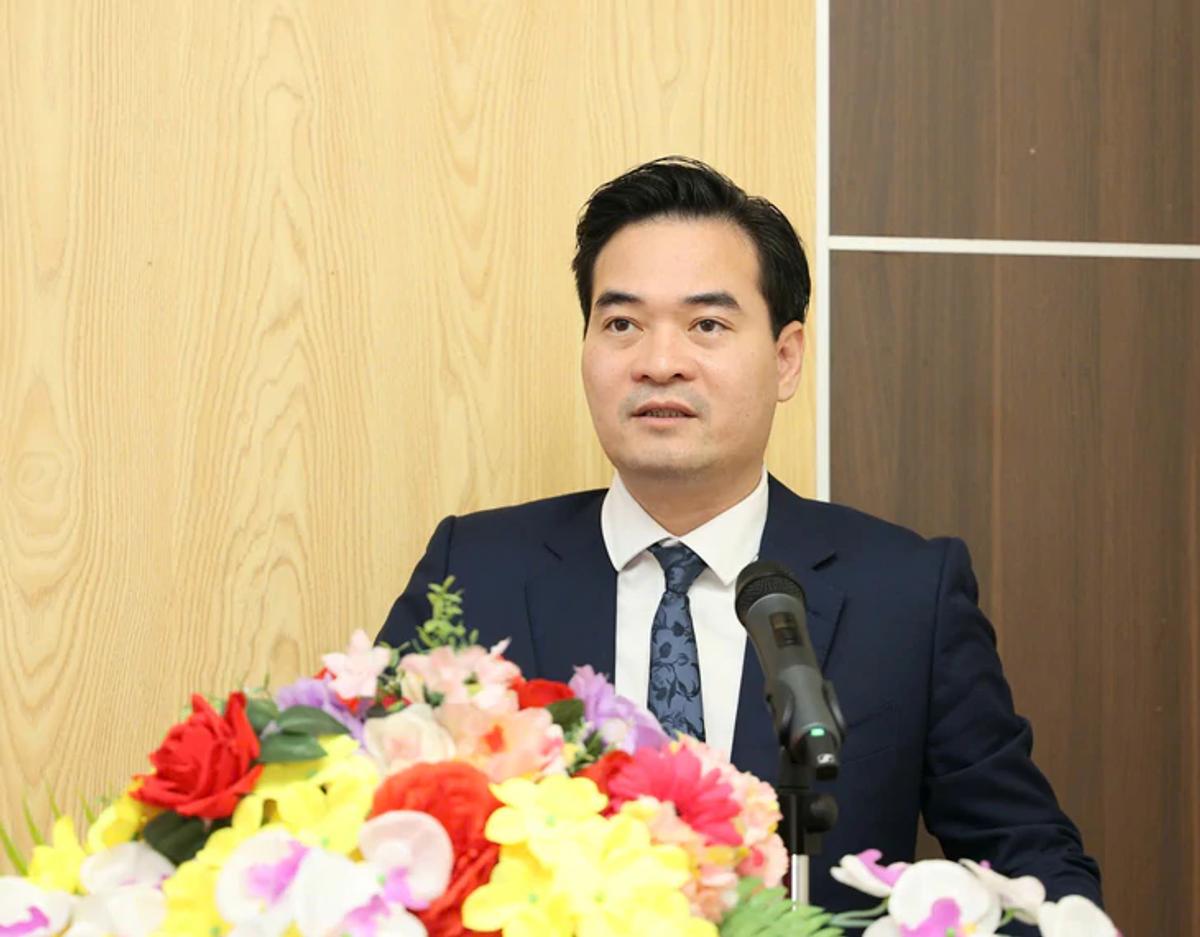
Dr. Chu Quoc Thinh, Director of the Vietnam Food Administration, emphasized that this new strategy strictly follows the Codex Alimentarius Commission’s guidelines (Food Safety Risk Analysis). The framework comprises three pillars: Risk Assessment, Risk Management, and Risk Communication.
Scientific evidence-based risk assessment results will serve as the legal foundation for authorities to issue technical regulations, oversee imported food, conduct traceability, and implement post-market controls for business establishments.
To achieve this, the Ministry of Health is developing a national food safety database. This system will integrate information on product lifecycles, inspection results, and food poisoning data, ensuring seamless connectivity between ministries, sectors, and local governments for centralized management.
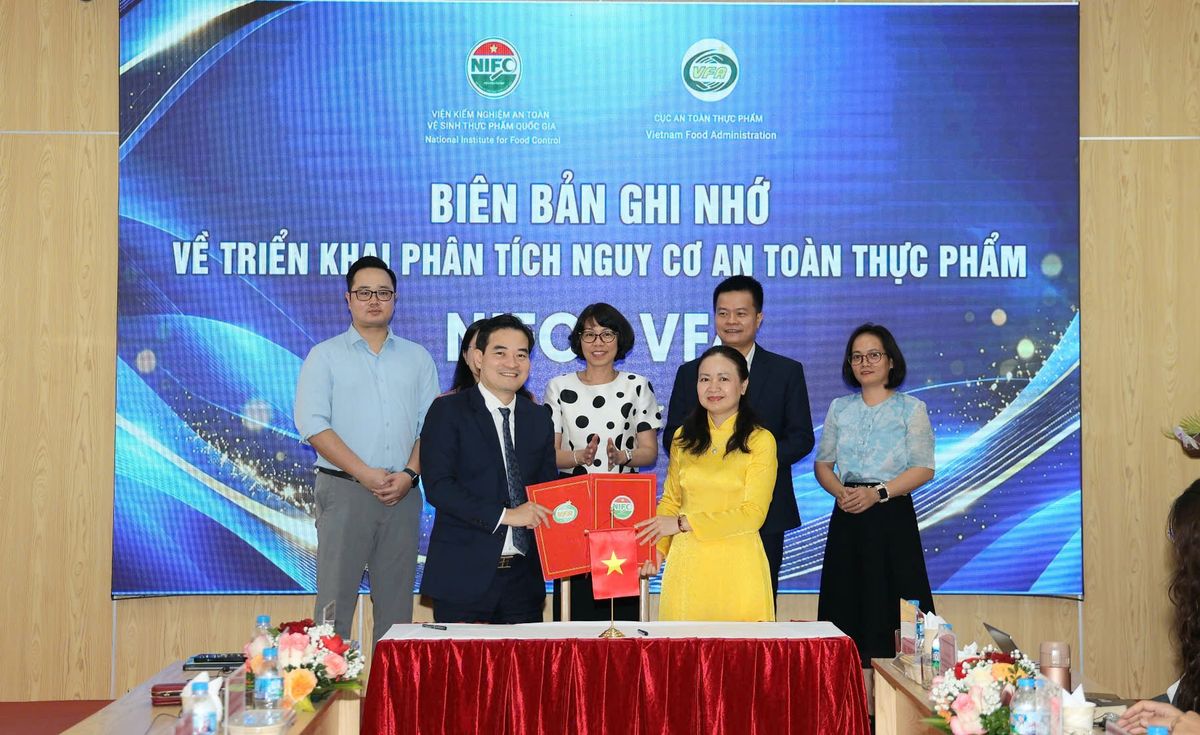
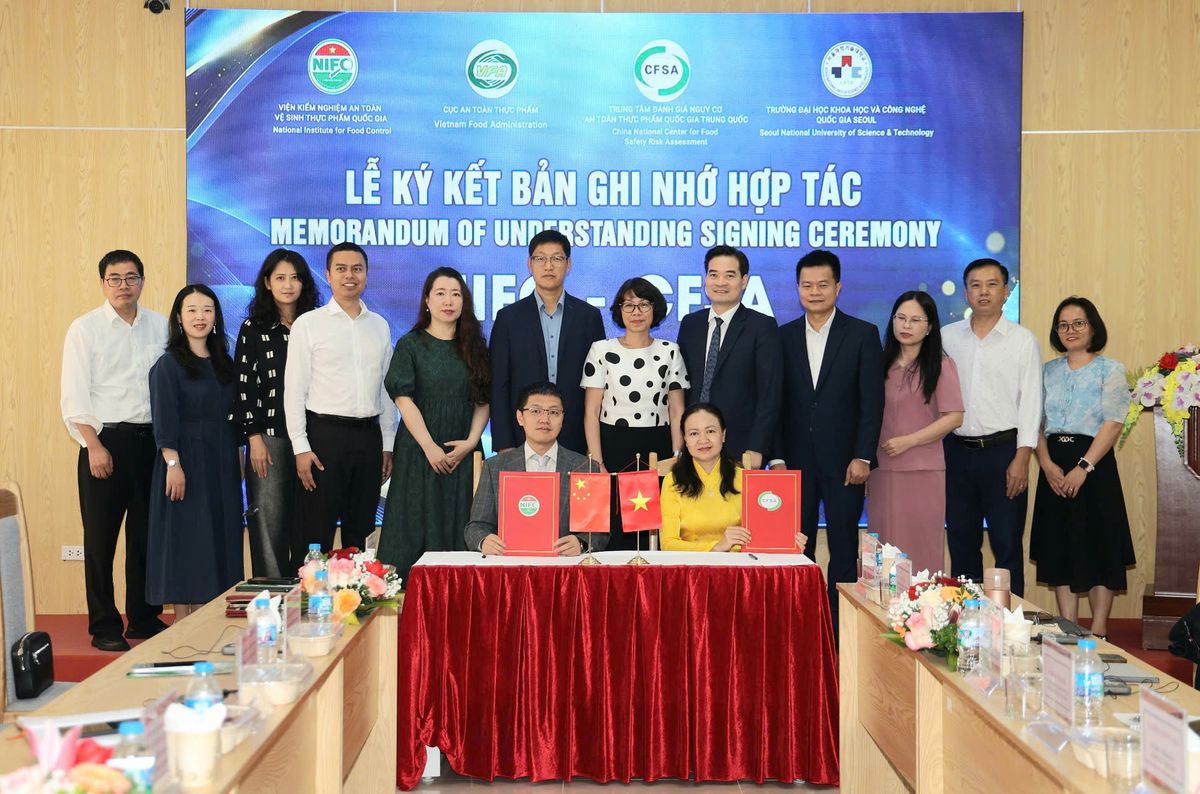
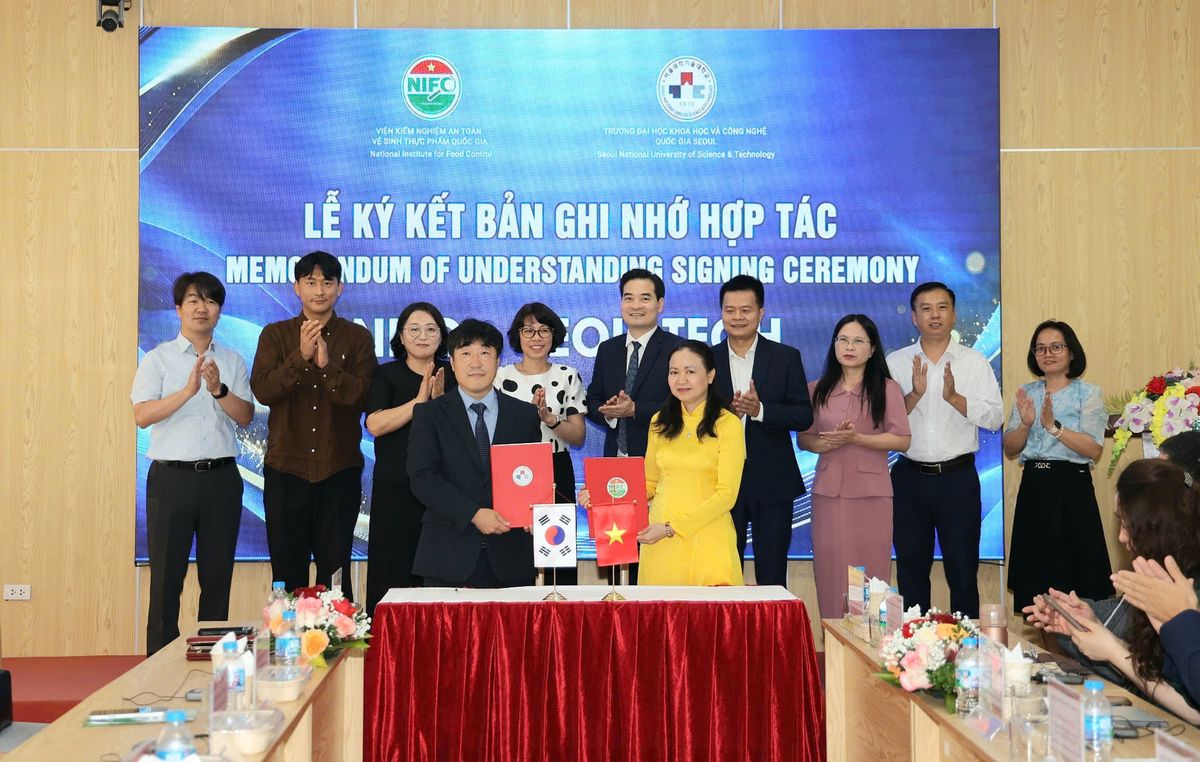
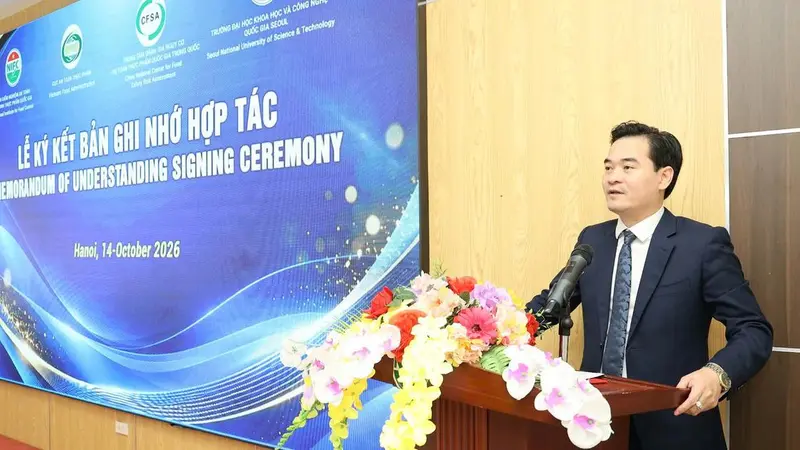
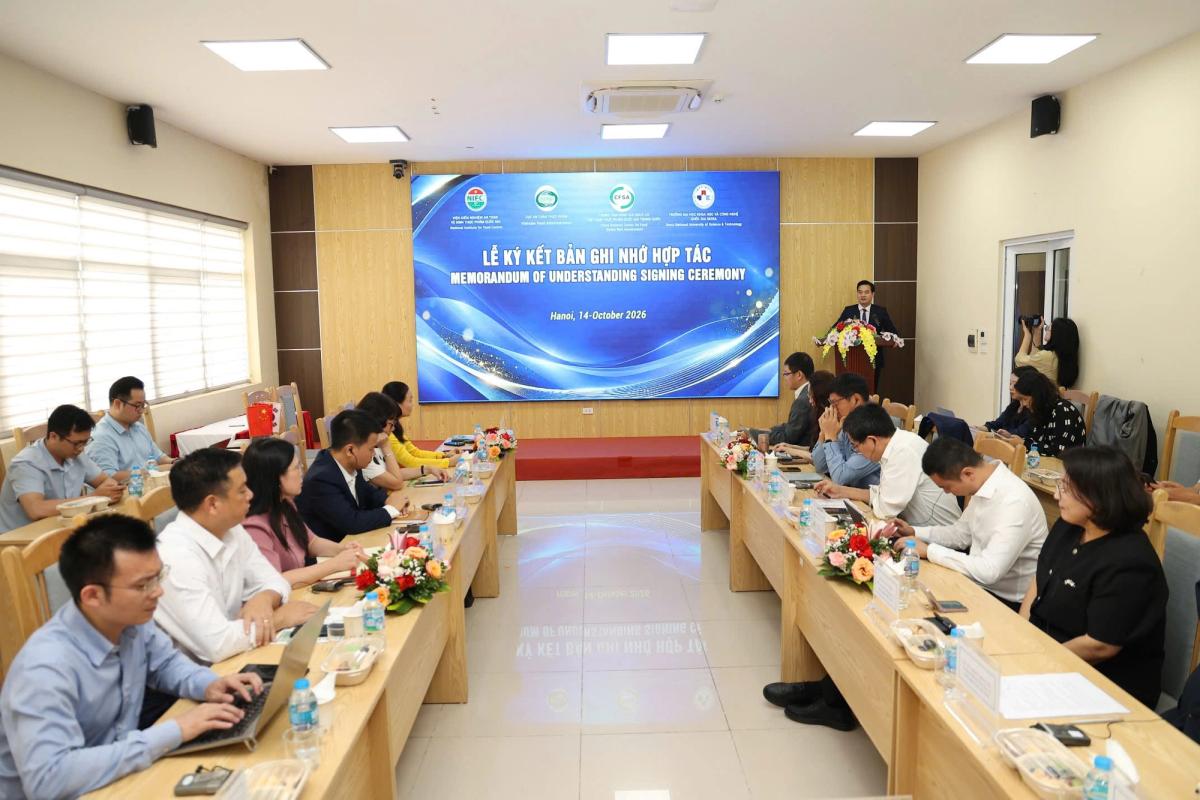
The Ministry has established the Center for Food Safety Risk Assessment under the National Institute for Food Control. Furthermore, the VFA has signed memoranda of understanding with international partners, including the China National Center for Food Safety Risk Assessment (CFSA) and Seoul National University of Science and Technology (SeoulTech), to enhance predictive capacity against chemical, microbiological, and allergen-related hazards.