Clarifying E-commerce Platform Responsibilities in the Draft Amended Food Safety Law
The Committee on Science, Technology and Environment calls for clarity on e-commerce platform liabilities and risk-based management in the draft amended Food Safety Law.

On the morning of October 24, at the second session, the Government submitted the draft amended Law on Food Safety to the National Assembly. Chairman of the Committee on Science, Technology and Environment (S&T&E) Nguyen Thanh Hai affirmed the necessity of the amendments, noting that the documents were thoroughly prepared and met the requirements for parliamentary review.
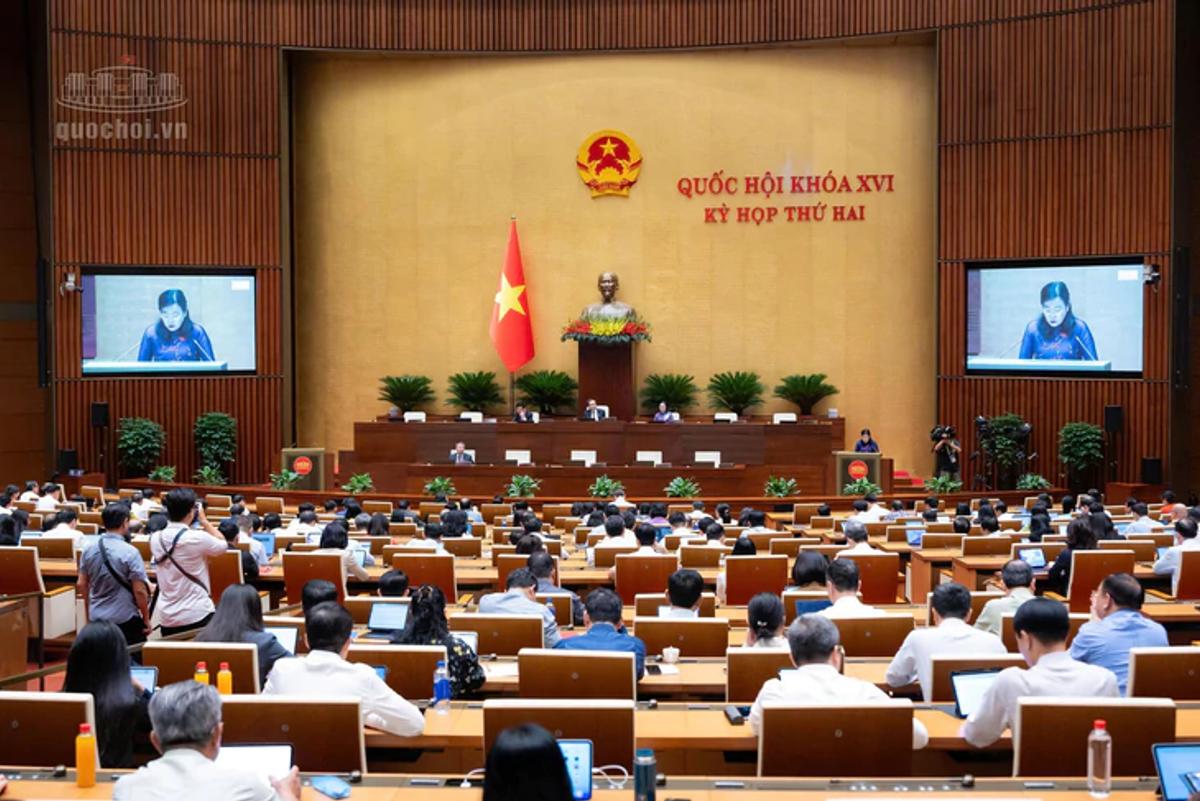
According to Chairman Nguyen Thanh Hai, the draft proposes a crucial shift from uniform management to risk-based, chain-linked management. The focus lies on prioritized pre-inspection for high-risk products and post-inspection for lower-risk ones. However, the Committee identified five major areas for review, particularly emphasizing challenges regarding human resources and local testing capabilities.

Regarding e-commerce management, the Committee specifically requested the inclusion of sanctions for platform owners and e-commerce sites to protect consumer rights. It is essential to clarify the responsibilities of these entities in verifying the origin of food sold online to prevent the exploitation of digital spaces for distributing products of unknown provenance.

Concerning imported food, the Committee proposed removing the requirement to notify results for every individual shipment under the reduced inspection category to reduce costs for businesses, recommending instead a shift toward automated confirmation via the National Single Window mechanism. Furthermore, deterrence should be strengthened by permanently revoking licenses for severe violators and publishing violation data on digital platforms.
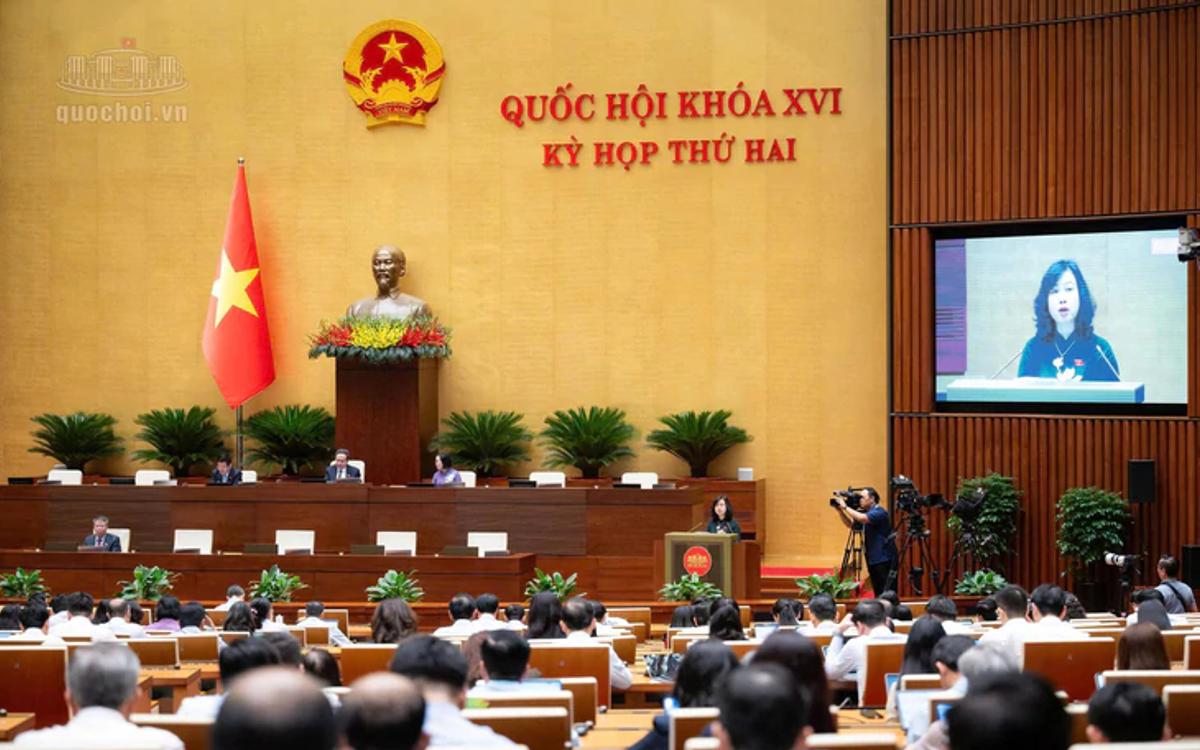
Finally, the Committee urged a review of the alignment between the draft law and the Law on Product and Goods Quality, as well as the Law on Advertising, specifically regarding concepts such as functional foods and health supplements to ensure consistency within the legal framework.