Proposed Amendments to the Food Safety Law: Towards Unified Management and Enhanced Post-Market Surveillance
The Ministry of Health proposes unified food safety management and a shift from pre-market to post-market surveillance to optimize the food value chain.

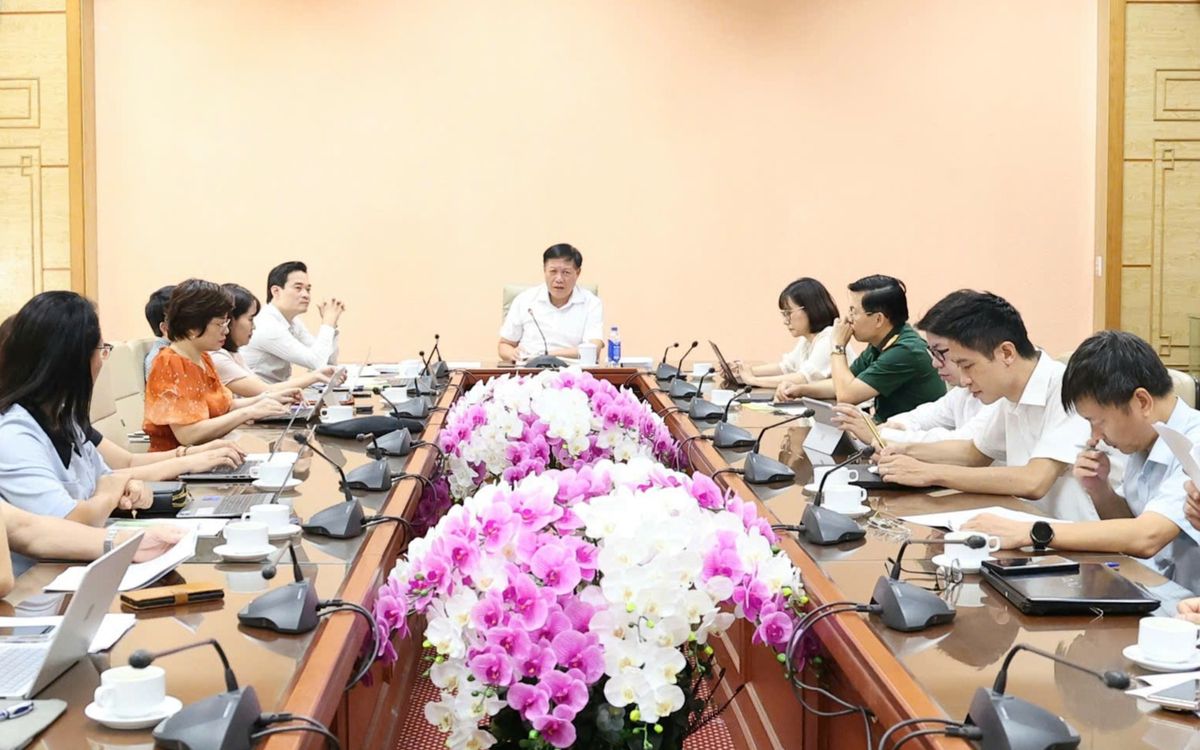
During the press conference on health policy in the fourth quarter of 2026 held on October 1st, Deputy Minister of Health, Dr. Vu Manh Ha, shared key orientations for the draft Law on Food Safety (amended). After over 15 years of implementing the 2010 Law, authorities recognize the urgent need to adjust the legal framework to adapt to profound changes in production scales, e-commerce, and global supply chains.

Deputy Minister Vu Manh Ha emphasized that the core philosophy of the draft is to shift from 'individual stage control' to managing the entire value chain based on actual risks. Consequently, the bill will institutionalize four major policy groups, including: risk-based management, reform of market inspection mechanisms, digitization of the national food safety database, and improved management of street food.
A notable highlight is the trend toward reducing pre-market pressure. Low-risk food categories will no longer require complex product declaration registration, while regulatory bodies will focus resources on post-market surveillance. The draft also recognizes international certificates such as HACCP and ISO 22000 to minimize administrative burdens for businesses.

Ms. Dinh Thi Thu Thuy, Deputy Director of the Vietnam Food Administration, clarified the centralized management model: 'The Ministry of Health will serve as the sole focal point responsible for state management of food safety nationwide. Other ministries will manage based on their specific sectors; for instance, the Ministry of Agriculture and Rural Development is responsible for primary production, while the Ministry of Industry and Trade oversees commercial fraud'.
Maximizing decentralization to local People's Committees, paired with increased penalties, is a crucial strategy to ensure enforcement. Regarding inspection frequency, the draft stipulates that standard business facilities will only be inspected once per year, except in cases where high risks are identified or there is a history of violations, thereby focusing efforts on effectively safeguarding public health.