Clean Label: A Core Trend Shaping Global Food Industry Innovation through 2026
Clean labels, cost reduction, and healthy consumption trends are becoming top priorities for the global food industry over the next 12-18 months.
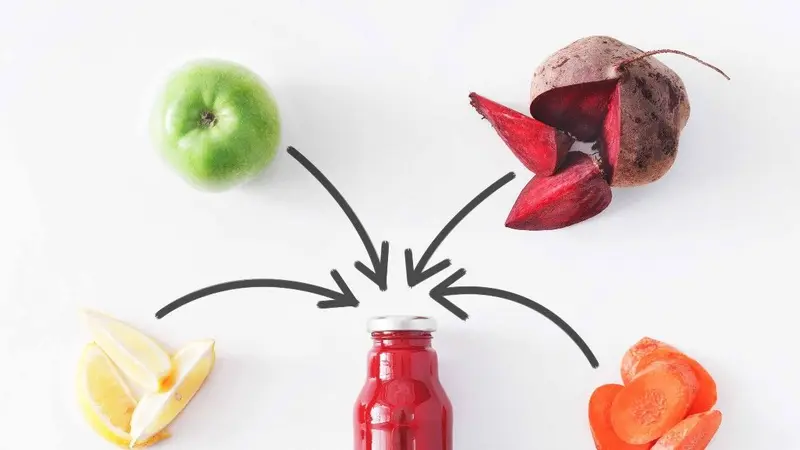
According to the '2026 Trends and Innovations: Product Innovation Landscape' webinar hosted by Food Business News, clean labels, cost optimization, and demand for health-supporting products are emerging as major influencers in the food industry over the next 12 to 18 months.
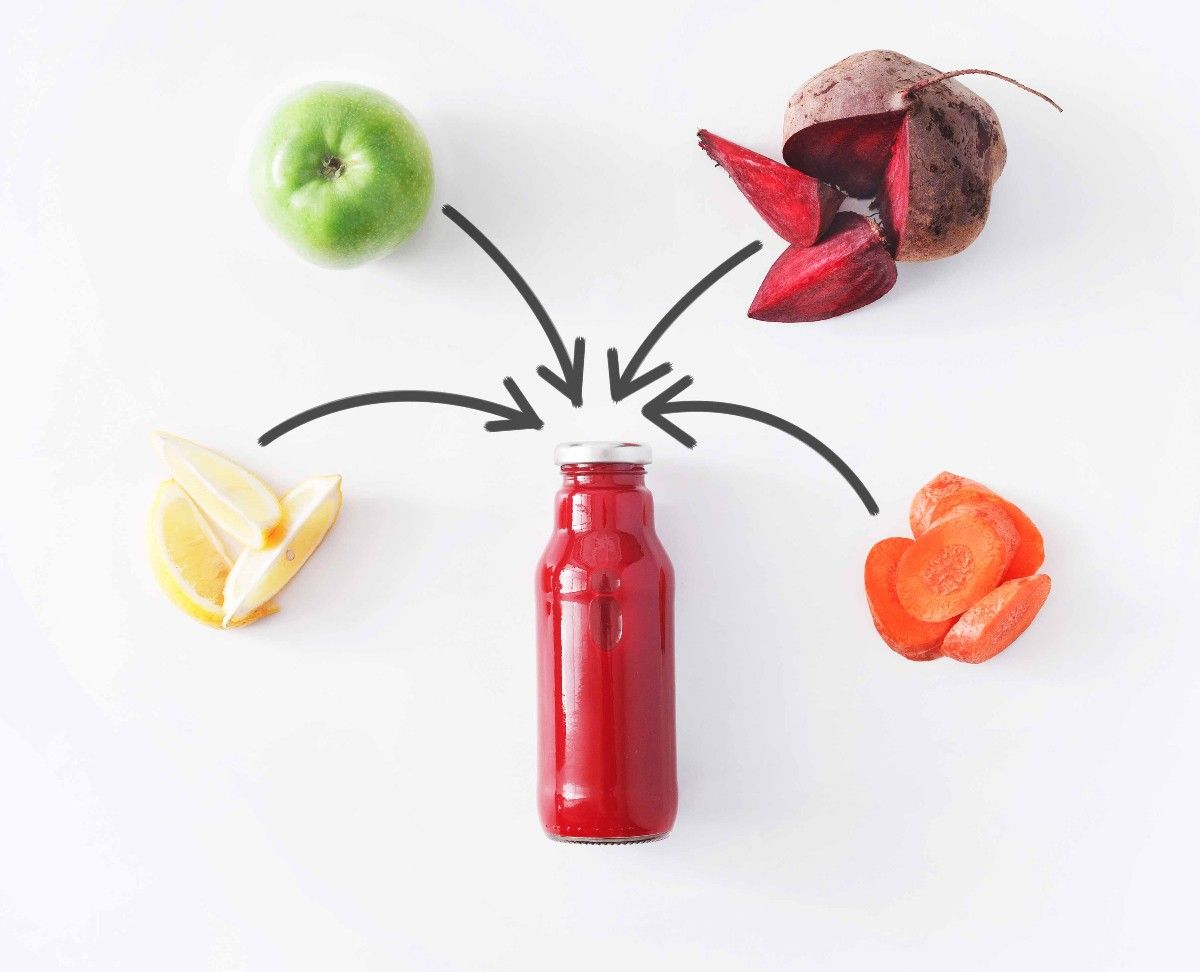
The annual survey by Cypress Research indicates that new product development and formula refinement toward clean labels are top strategic priorities for manufacturers. Keith Nunes, editor at Food Business News, noted: 'Businesses are facing pressure from new U.S. government regulations, cost fluctuations due to geopolitical tensions, and rigorous demands in ingredient research.'
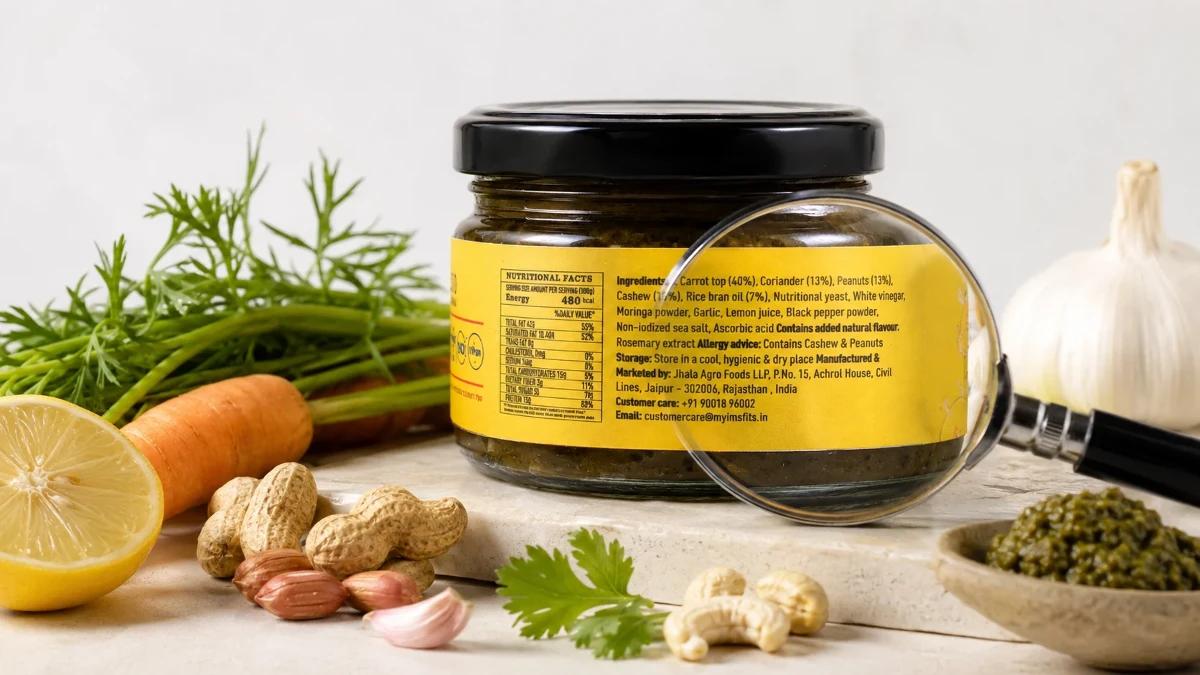
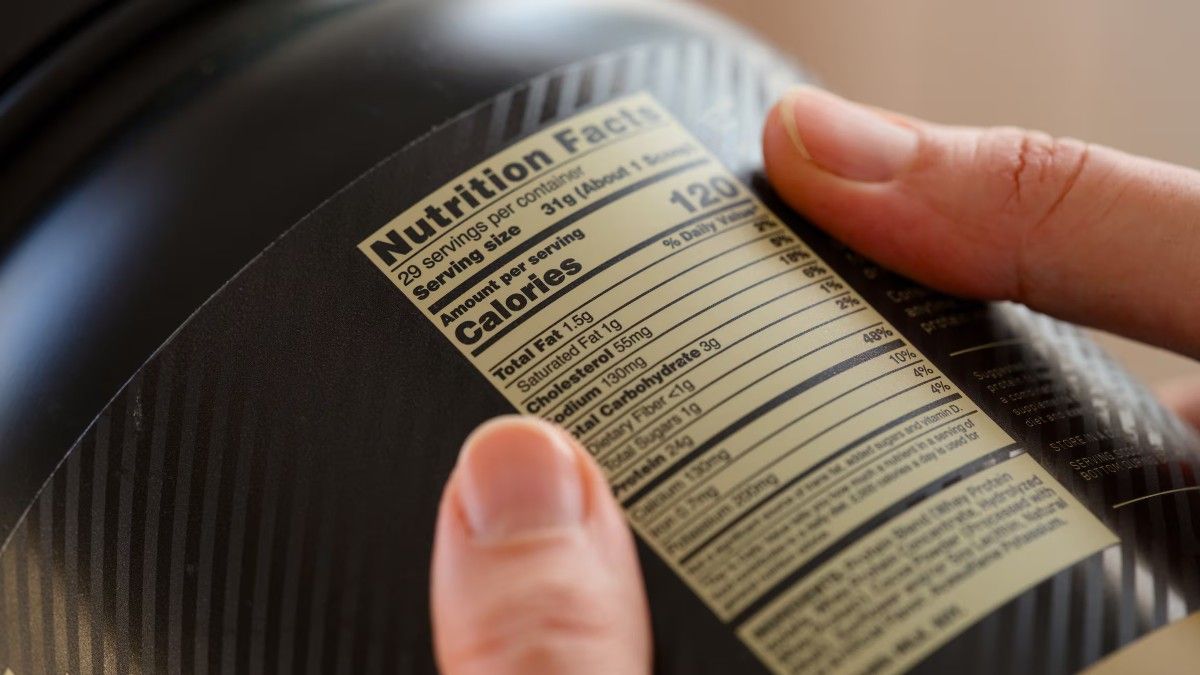
The shift toward clean labels reflects consumer concerns regarding ultra-processed foods (UPF). Data from the Natural Food Colors Association, Inc. shows that 66% of consumers prefer natural colors. Major corporations including General Mills Inc., Nestle USA, and WK Kellogg Co. have committed to or completed the removal of FD&C colorants from their portfolios.
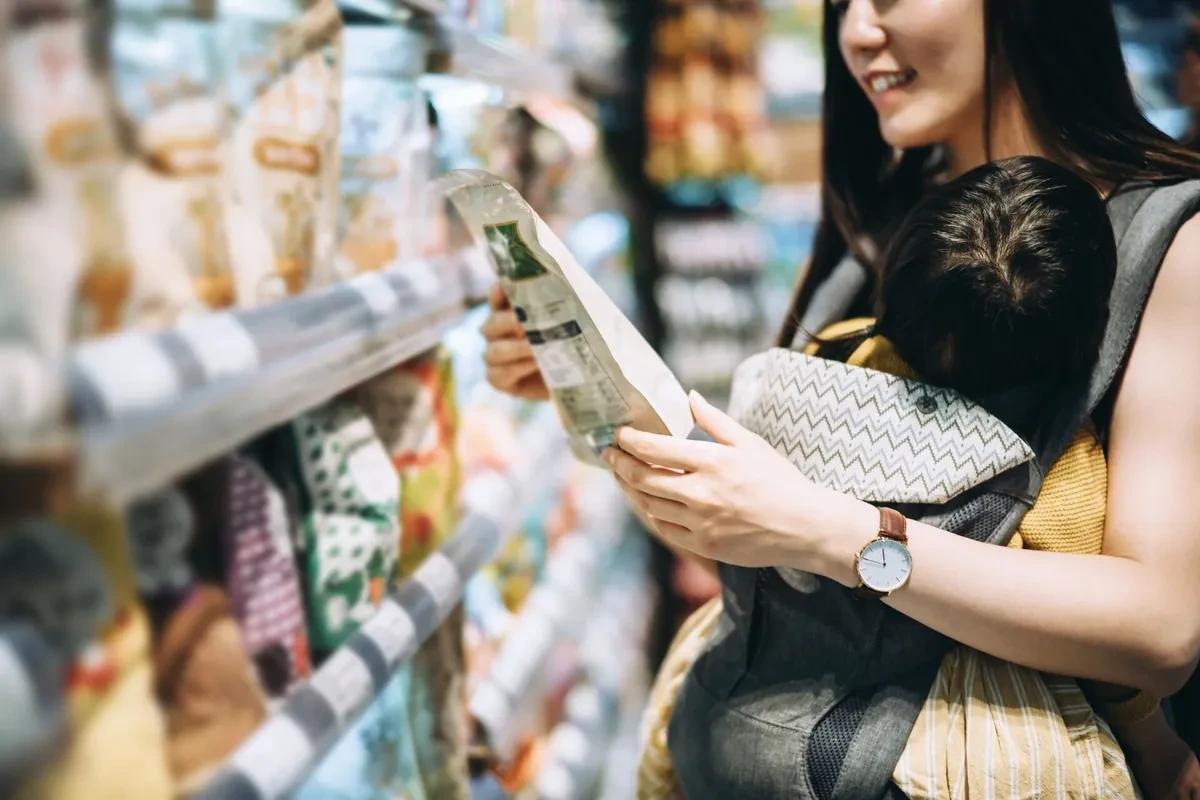
According to Innova Market Insights, consumers define clean labels through three criteria: no additives, natural ingredients, and environmental friendliness. To adapt, manufacturers are utilizing functional starches, fermentation solutions, sensory science, and artificial intelligence (AI). Douglas Lim from Samyang emphasized a three-step approach: 'Remove' unwanted components, 'recreate' flavor and texture, and 'add value' through fiber enrichment.
Reports from SIAL Paris indicate that this trend is closely linked to digital traceability. The global plant-based protein market is projected to reach $90.06 billion by 2034, while the clean label food market is estimated to hit $70.36 billion by 2031, according to Mordor Intelligence.

In the Vietnamese market, organic ready-to-eat products are developing alongside the boom in e-commerce. The challenge for brands is to standardize global health values to align with the specific price points and consumption habits of the Vietnamese population.