Amending the Food Safety Law: Chain-based Management and Risk-based Assessment
The Ministry of Health, in collaboration with WHO, discusses amendments to the Food Safety Law, focusing on four key policy groups to enhance state management effectiveness.
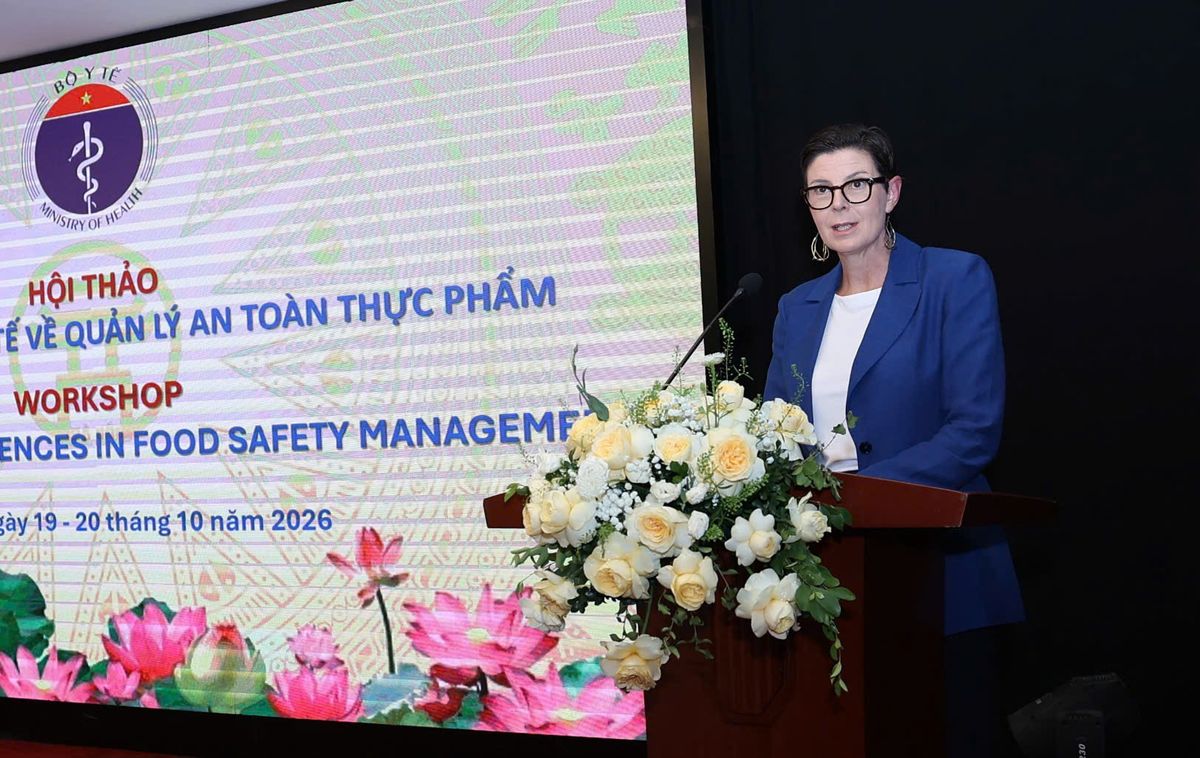
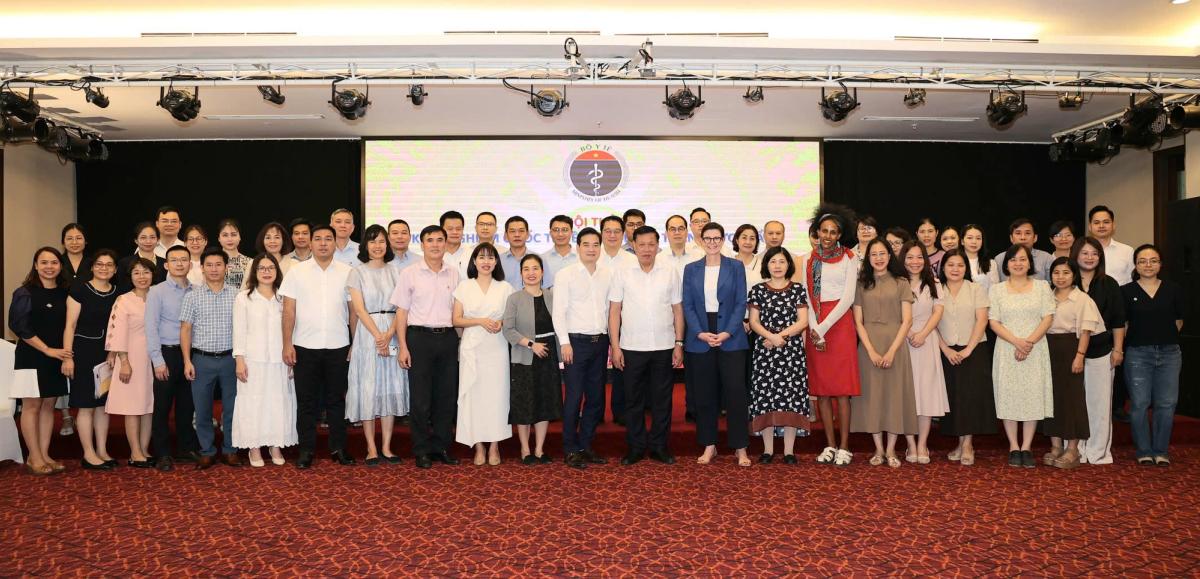
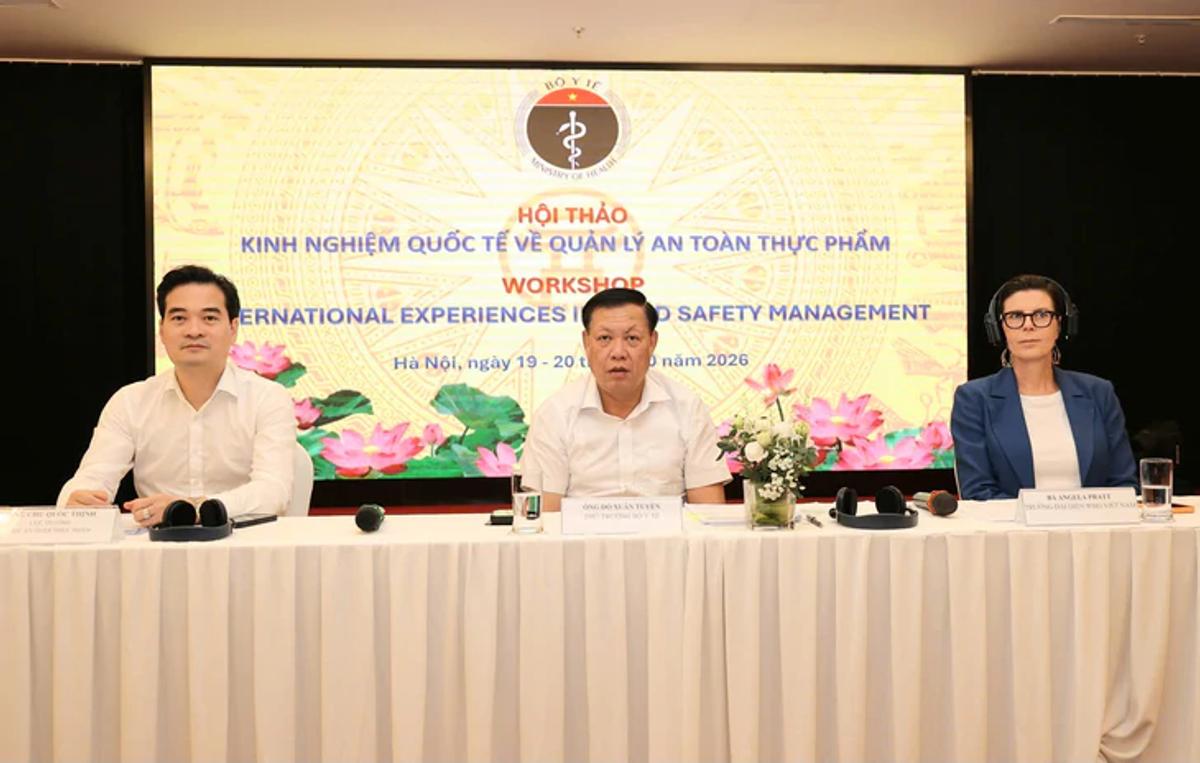
The conference took place on October 19-20 in Hanoi, hosted by the Ministry of Health in coordination with the World Health Organization (WHO). Attendees included Dr. Angela Pratt, WHO Representative in Vietnam; Dr. Chu Quoc Thinh, Director of the Vietnam Food Administration (VFA), alongside national and international experts.
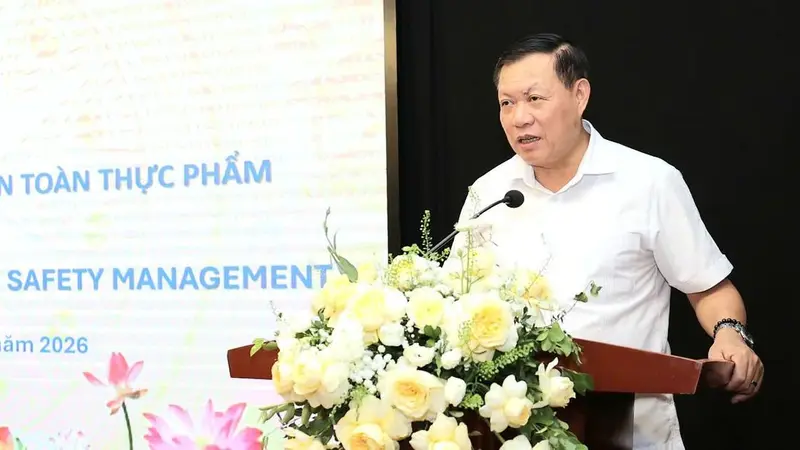
Deputy Minister of Health Do Xuan Tuyen emphasized the critical role of food safety in public health. Amid rapid urbanization and the boom in e-commerce, management practices must be updated to meet practical requirements while remaining harmonized with international standards and recommendations from the Codex Alimentarius Commission.
The Deputy Minister outlined four key policy pillars for the revision of the Food Safety Law. The first is chain-based and risk-based management, shifting from fragmented phase-by-phase control to integrated oversight from production to consumption. The second is the reform of inspection methods, focusing post-market surveillance on high-risk products to increase deterrence.
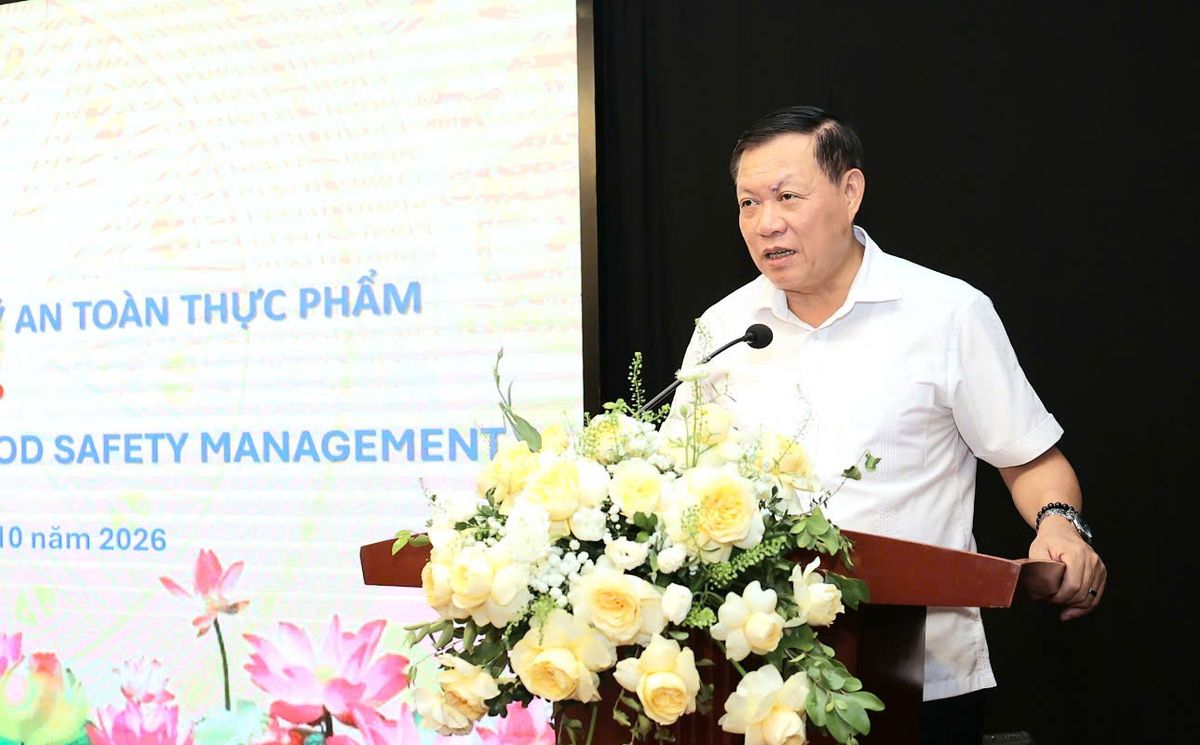
The third pillar is accelerating IT application and digital transformation. Digitalizing data on product origin and quality will enable authorities to monitor the online business environment more effectively. Finally, the fourth group focuses on tightening control over street food and collective kitchens, requiring clear accountability for catering units and processing facilities.
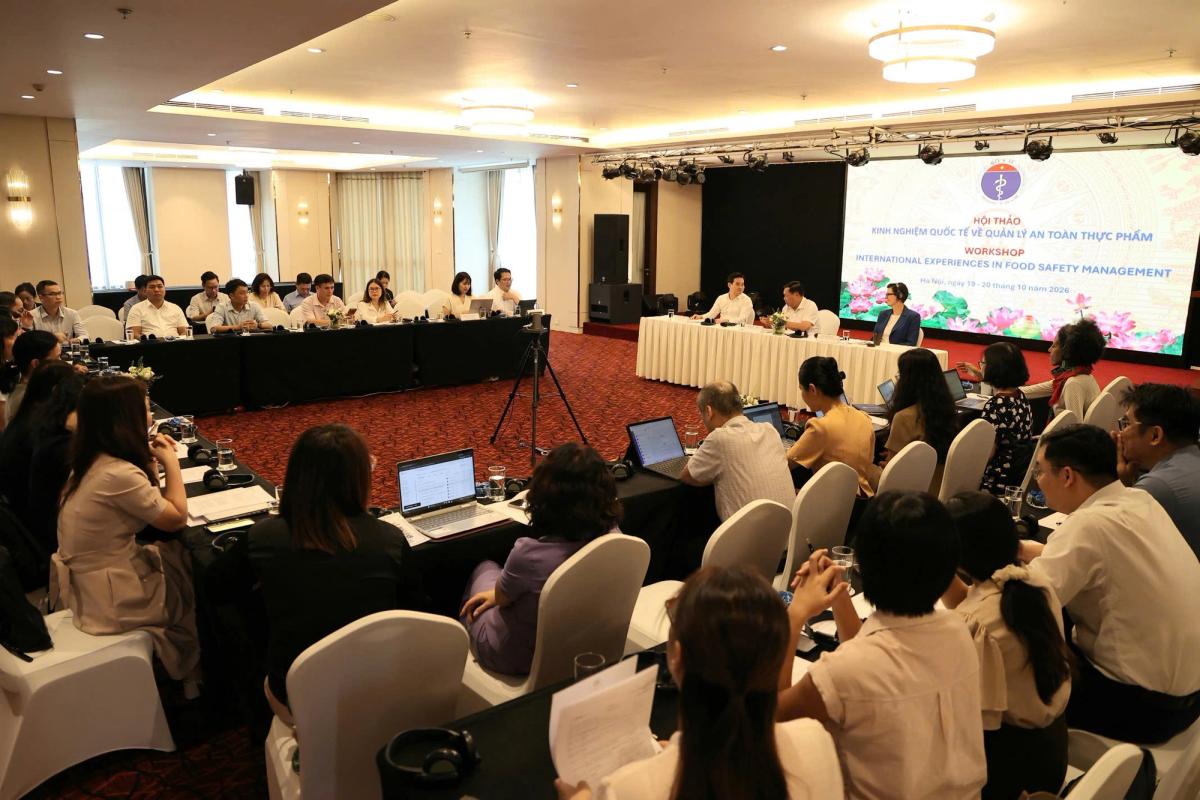
Furthermore, unifying management authority from the central to local levels is a priority to improve legal enforcement capacity. Deputy Minister Do Xuan Tuyen called on international experts to share global experiences, enabling Vietnam to refine its legal framework, thereby balancing strict oversight with creating a favorable environment for businesses to comply and develop sustainably.