When Bottled Water Becomes a Premium Product
Explore the premium water trend focused on health and solutions to minimize microplastics that are gradually dominating the modern consumer market.
Optimizing hydration has long been a cornerstone of personal health. The latest trend today is the rise of premium bottled water brands, positioning themselves as 'healthier' product lines.

The surge in interest regarding hydration in recent years has driven significant sales in electrolyte powders. Simultaneously, growing awareness of microplastics and their potential health implications has paved the way for new bottled water brands focused on offering safer and cleaner solutions.

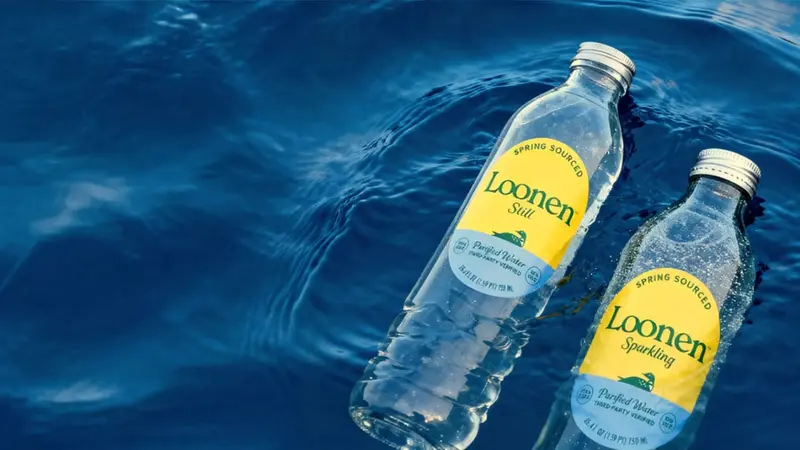
Emerging brands such as Loonen (San Francisco) are gaining attention with purified and sparkling spring water, packaged in glass bottles at a price point of approximately 35 USD per six-pack.

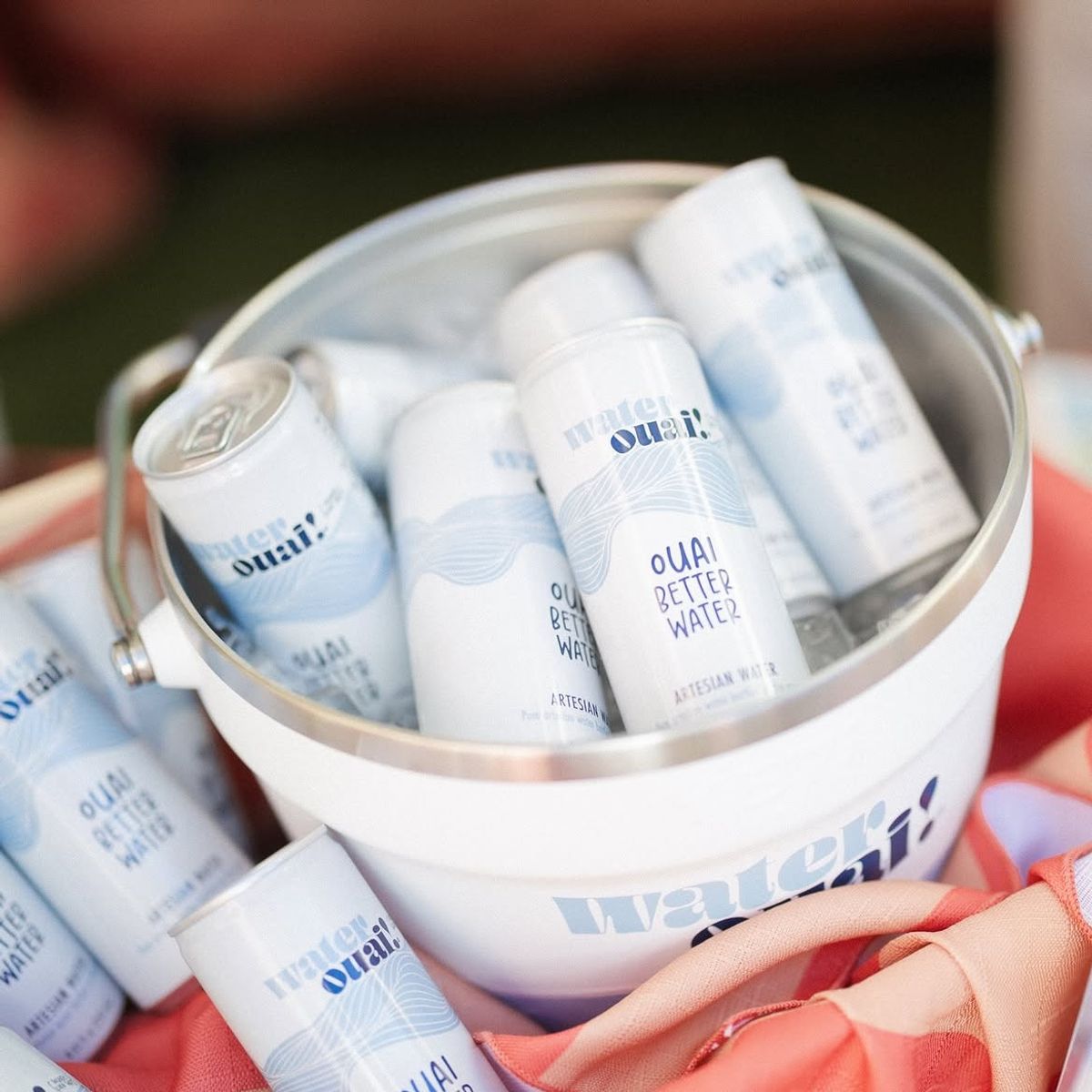
Additionally, WaterOuai launched a line of natural artesian water from the Edwards Aquifer (Texas) at 48 USD per 24-can case. A distinctive feature of this product is that it remains unfiltered to preserve natural minerals.
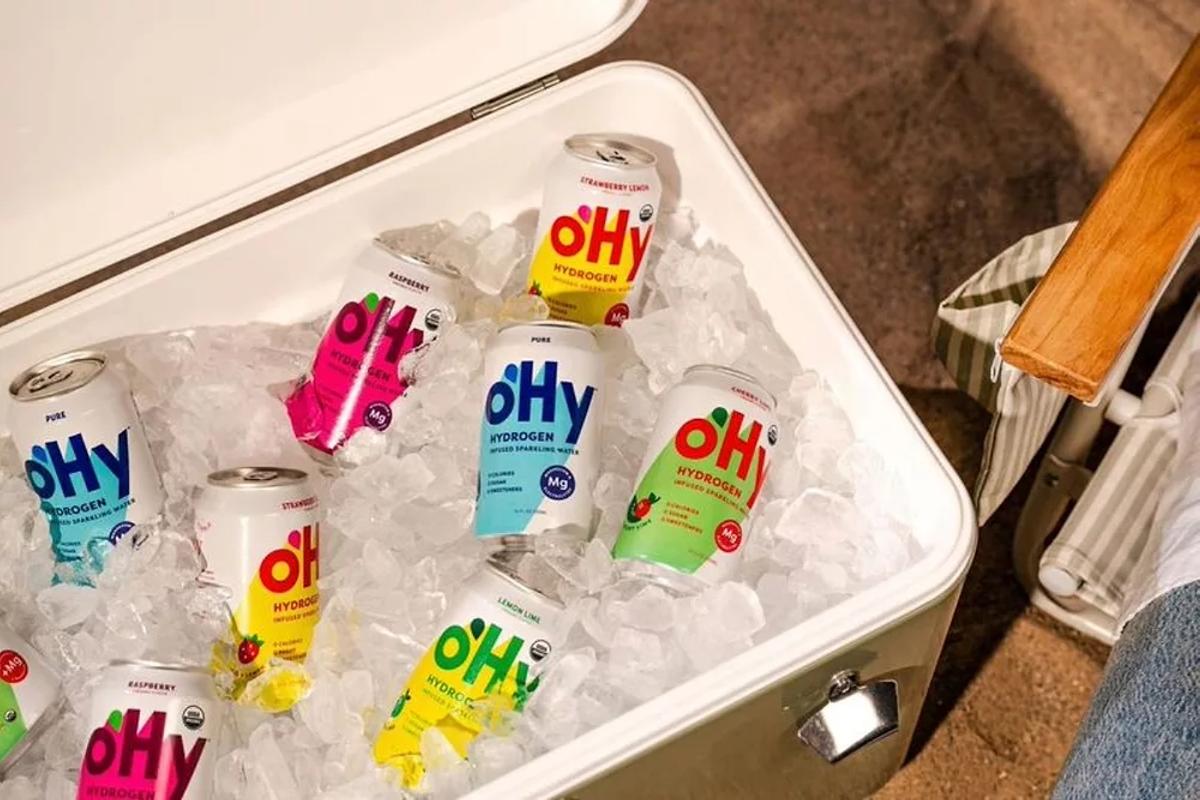
Furthermore, the Michigan-based brand oHy has introduced sparkling hydrogen water, enriched with 30 milligrams of elemental magnesium per can. According to co-founder and CEO Trent Hartwig, the 1.4 ppm hydrogen gas concentration in the product helps enhance antioxidant properties for consumers.
Allison Collins of The Consumer Collective consultancy stated: 'This is a continuation of the trend that began around 2010 when consumers started to pay closer attention to healthier products, from baby food to boutique fitness, within the context of social media culture and growing concerns over microplastics.'

Minimizing microplastics is central to these brands' missions. For instance, WaterOuai chose packaging production technology from Japan, utilizing aluminum sheets coated with PET liners before can forming to prevent internal plastic liner degradation, ensuring a cleaner water source.
Data from NielsenIQ shows that the U.S. bottled water segment reached 19.7 billion USD in 2025. Within this, artesian and spring water recorded growth rates of 6.8% and 3.3%, respectively. Notably, glass-bottled water surged by 48.1%, followed by aluminum packaging at 30.3%.
Although the 'microplastic-free' topic is attracting significant interest on social media with over 841,000 monthly interactions, price remains a major barrier. However, experts believe that if this trend spreads to the 'masstige' segment with more accessible pricing, the market has strong growth potential in the future.