Food Safety Control in Ho Chi Minh City: Over 858 Tons of Meat Circulating Daily
HCMC strengthens food safety from farm to table amidst challenges regarding animal diseases and banned substances in livestock at slaughterhouses.
On August 18, 2026, the Brand and Public Opinion Magazine, in collaboration with the HCMC Sub-Department of Livestock and Veterinary Medicine, hosted a seminar titled “Journey for Millions of Safe Meals.” The program provided a practical platform for government regulators, industry experts, and businesses to identify bottlenecks in food management.
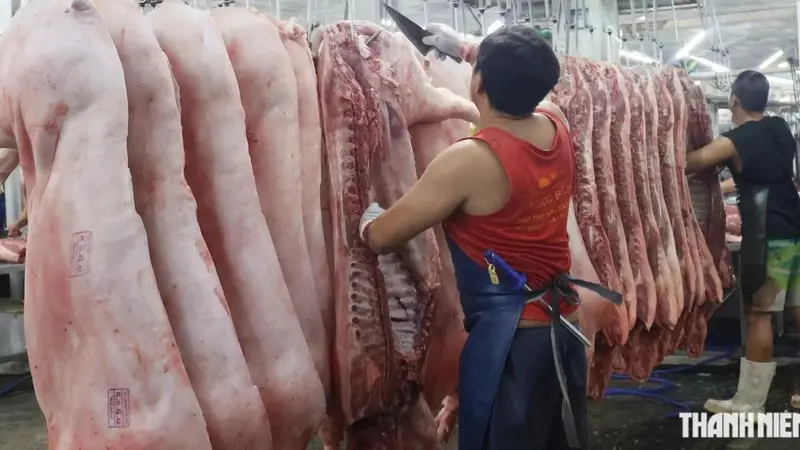
According to Mr. Nguyen Huu Thiet, Deputy Head of the HCMC Sub-Department of Livestock and Veterinary Medicine, the city's population of over 14 million creates an immense demand for food. Local supply covers only 50%, with the remainder imported from other provinces. The network includes 81 slaughterhouses handling an average of over 657 tons of livestock meat and over 201 tons of poultry daily.
The primary challenges currently involve animal diseases and the use of banned substances in livestock farming. To address this, the HCMC People's Committee issued Decision No. 945/QD-UBND to establish an inter-agency inspection team. Since March 2026, authorities have issued 61 penalties totaling over 439 million VND and destroyed nearly 50,000 kg of animal products that failed to meet veterinary hygiene standards.
Notably, authorities intercepted three batches containing 280 pigs tainted with banned substances, one of which tested positive for African Swine Fever. All 35,350 kg of meat were destroyed. In the first eight months of 2026, the department monitored 2,250 swine urine samples and tested 6,750 indicators for banned residue.
Mr. Tran Phu Cuong, Head of the HCMC Sub-Department of Livestock and Veterinary Medicine, stated: “Food safety begins at the farm and must be maintained throughout the entire supply chain to the dinner table.” He emphasized shifting from reactive measures to proactive risk prevention. Businesses must view food safety as a core value, while consumers are encouraged to verify product origins to protect their health.