Ho Chi Minh City intensifies oversight, tightening food safety in school kitchens
HCMC leaders call for intensified food safety control in collective kitchens and schools ahead of the new academic year, ensuring product traceability from wholesale markets.
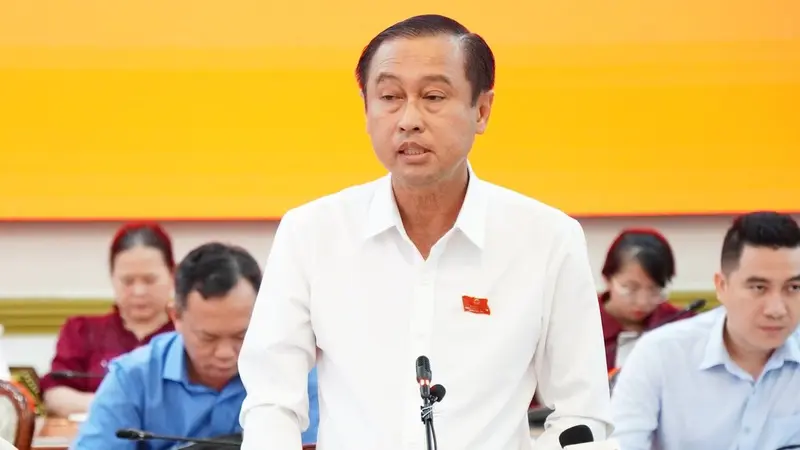
Ahead of the new academic year, leaders of the Ho Chi Minh City People's Council and the People's Committee have issued strict requirements to prevent substandard food from entering school kitchens. This is a primary task aimed at protecting the health of students across the city.
During a working session on August 19, HCMC People's Council Vice Chairman Huynh Thanh Nhan emphasized the importance of implementing Directive 17 of the Prime Minister on strengthening food safety in educational institutions. The inspection delegation requested that departments and sectors accelerate digital transformation in management and operate an integrated database system from the city down to the ward level.

Nguyen Manh Cuong, Vice Chairman of the HCMC People's Committee, affirmed that the city would focus resources on essential areas such as collective kitchens, wholesale markets, and boarding schools. He emphasized: 'Do not allow goods that do not meet quality standards, fail to fulfill requirements, or show signs of violations to be circulated'.

According to a report from the HCMC Food Safety Department, from July 2025 to June 2026, the agency inspected 3,648 establishments, including 235 surprise inspections, identifying 50 units violating hygiene conditions and product quality declarations.

Food origin management is also being tightened at three major wholesale markets: Binh Dien, Hoc Mon, and Thu Duc. Initiatives such as the 'Safe Food Chain' and the 'Responsible Green Tick' program continue to be implemented to ensure transparency in the traceability of food supplied to consumers.
